 en
en English
 中文简体
中文简体 Español
 русский
 Français
 عربى
عربى Deutsch
 Português
 日本語
日本語 한국어
한국어 italiano
Shengya
Shengya
Shengya
Shengya
Shengya
Shengya
Shengya
Shengya
Shengya
Burrs are inevitable. Every laser-cut edge, every CNC-machined bore, every stamped sheet metal part comes off the production line with microscopic sharp edges that catch gloves, compromise assembly tolerances, and — left untreated — create real liability. For decades, the answer was to hand the parts to someone with a file or a rotary tool and tell them to get to work. It was slow. It was inconsistent. And for high-volume production, it simply doesn't scale.
The magnetic deburring polishing machine changes that equation entirely. What once took skilled operators hours can now be completed in a single automated cycle lasting under 20 minutes — with better consistency and no risk of surface damage.
Why Manual Deburring Is No Longer Enough
Manual deburring has three core problems that become more painful as production volume grows. First, it's labor-intensive: a single operator can only work on one part at a time, and complex geometries with internal channels or threaded holes can take several minutes each. Second, quality depends entirely on who's doing the work — a tired operator on a Friday afternoon produces different results than a fresh one on Monday morning. Third, manual tools physically cannot reach certain areas: blind bores, tight slots, and sharp interior corners stay untreated.
The result is a hidden cost that shows up in rework rates, assembly failures, and — in industries like medical devices or aerospace — rejected lots. Switching to a magnetic deburring polishing machine eliminates all three problems at once.
How a Magnetic Deburring Polishing Machine Works
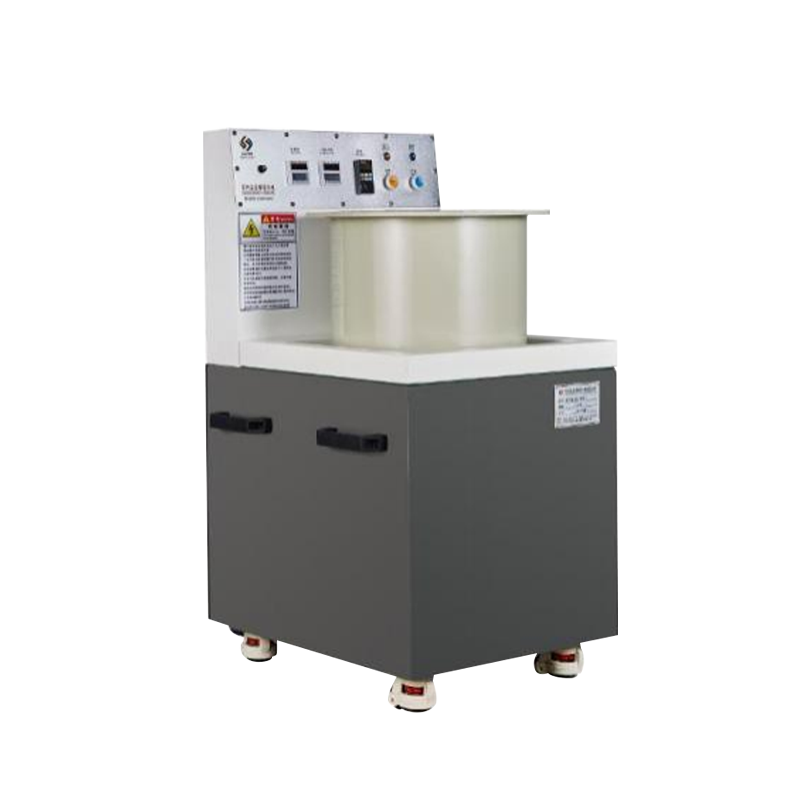
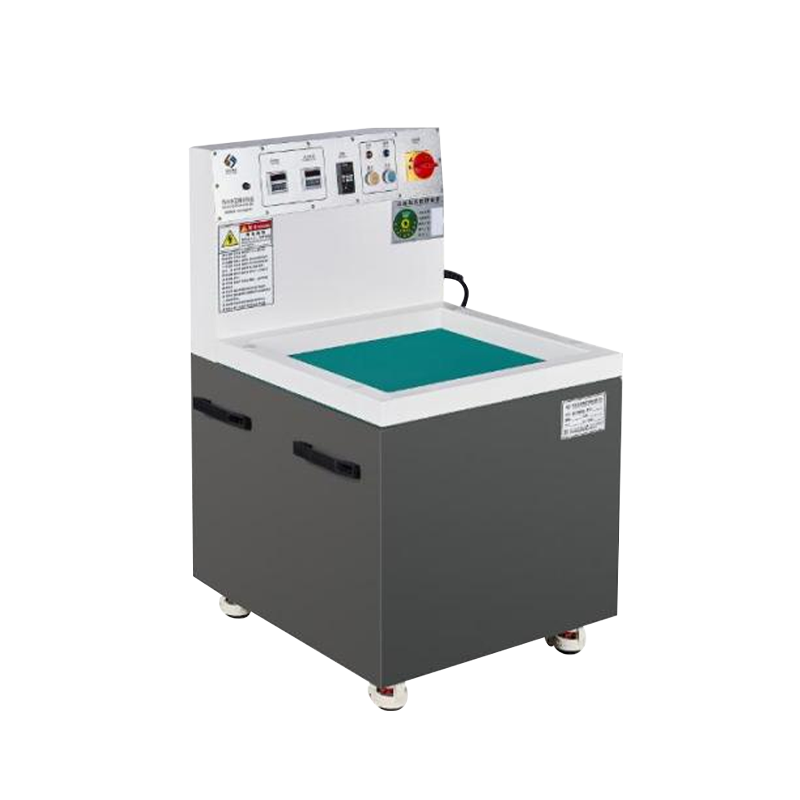
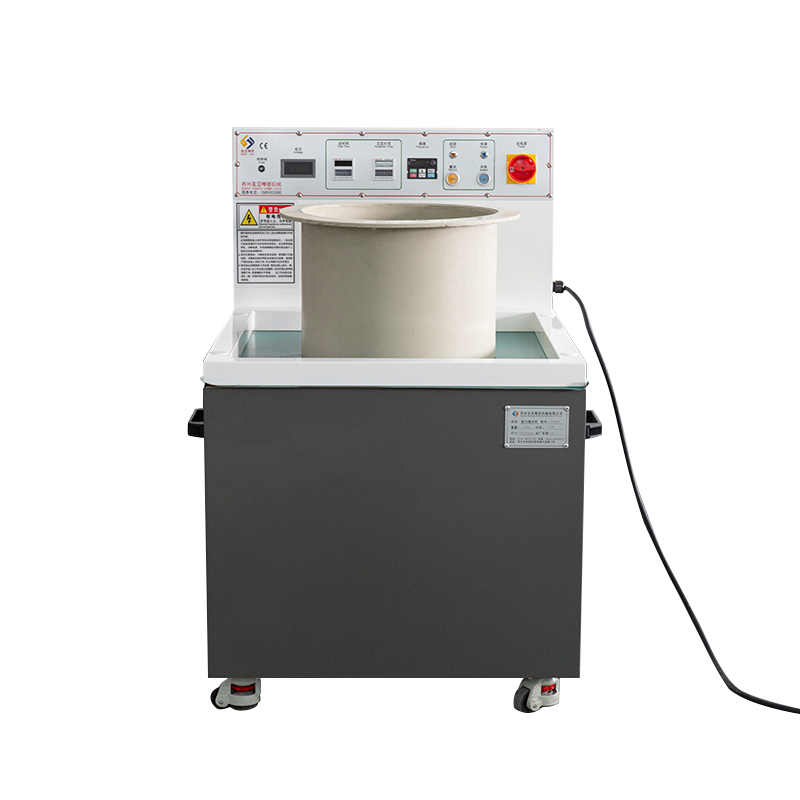
The operating principle is straightforward but genuinely clever. Inside the machine body, a high-speed rotating magnetic disc generates a continuously shifting magnetic field. Above the disc sits a non-magnetic barrel or tub filled with water, a small amount of polishing compound, and hundreds of tiny stainless steel pins — typically 0.2–0.8 mm in diameter and 1–7 mm in length. The workpieces are placed directly into this slurry.
As the magnetic disc rotates at speeds between 1,000 and 5,000 RPM, the pins respond to the shifting field and begin moving in a turbulent, omnidirectional pattern. Because the pins are rigid and needle-shaped, they penetrate into holes, thread valleys, chamfered edges, and recessed corners that no conventional abrasive media can reach. The combined action of thousands of simultaneous micro-impacts removes burrs, smooths sharp edges, and polishes surfaces — all without any mechanical contact between a tool and the workpiece itself.
A full processing cycle typically takes between 5 and 20 minutes depending on material hardness, burr size, and the desired surface finish. After the cycle, the parts are separated from the pins using a magnetic separator, rinsed, and ready for the next production step.
Key Advantages Over Traditional Methods
The efficiency gains are significant. Processing times of 5–20 minutes replace what could be 30 minutes to several hours of manual labor per batch. More importantly, dozens or even hundreds of small parts can be processed simultaneously in a single run, which fundamentally changes the economics of high-volume production.
Beyond speed, there are four practical advantages that matter most to manufacturers:
- Access to complex geometries. The needle-shaped pins reach blind bores, internal threads, concave corners, and narrow slots — exactly the areas that hand tools miss and that cause downstream problems.
- No dimensional change. Unlike grinding or abrasive blasting, magnetic deburring does not alter the macro geometry of precision parts. Tolerances are preserved, which makes the process suitable for CNC-machined components where dimensional accuracy is critical.
- Consistent, repeatable results. Set the parameters once, and every cycle produces the same finish. There is no operator-dependent variability.
- Environmentally clean operation. The process uses water and a mild polishing compound — no aggressive chemicals, no combustible dust, no significant VOC emissions. This aligns with workplace safety guidelines for metal finishing operations, including OSHA's standards for metal dust management in grinding and finishing environments.
For manufacturers seeking a professional magnetic polishing machine for metal parts finishing, these benefits translate directly into lower labor costs, higher throughput, and fewer quality escapes.
What Parts and Materials Can It Process?
The magnetic deburring polishing machine handles a wide range of metals and part types. In terms of materials, it performs well on stainless steel, aluminum, brass, copper, titanium, and most other non-ferrous alloys. It is particularly effective on harder metals where hand deburring would otherwise require significant effort.
In terms of part types, the machine excels wherever geometry is complex:
- Laser-cut sheet metal components with burrs and oxidation layers along cut edges
- CNC-turned and milled parts with threaded holes, cross-bores, or fine surface finishes
- Stamped and punched parts requiring edge rounding
- Precision springs, where even the interior coil surfaces need to be clean and smooth
- Medical screws, implants, and surgical instruments requiring burr-free surfaces without dimensional change
- Jewelry and small decorative hardware needing a bright, consistent polish
- Zipper sliders, small connectors, and other intricate hardware with multiple internal cavities
The practical limit is part size: magnetic deburring is optimized for small-to-medium components that fit within the machine's barrel. Very large flat sheets are better handled by dedicated sheet metal finishing equipment, while small precision parts are exactly where this technology delivers the most value. For a full overview of surface finishing solutions for precision components, different configurations are available to match specific production requirements.
Choosing the Right Machine for Your Needs
Not every workshop needs the same machine. The key variables to evaluate are batch size, part geometry, and throughput requirements.
Compact / benchtop models (barrel size around 100–200 mm, capacity 400–600 g) are designed for jewelry workshops, small precision machining operations, and R&D environments. They are straightforward to operate, occupy minimal floor space, and handle delicate parts well. Speed is typically fixed or has limited adjustment.
Mid-size models (barrel size 180–290 mm, capacity up to 1.3 kg) bridge the gap between jewelry-grade and industrial machines. They suit medium-batch production in hardware, electronics, and general metalworking, and often include variable-speed controls and forward/reverse rotation cycles that improve uniformity.
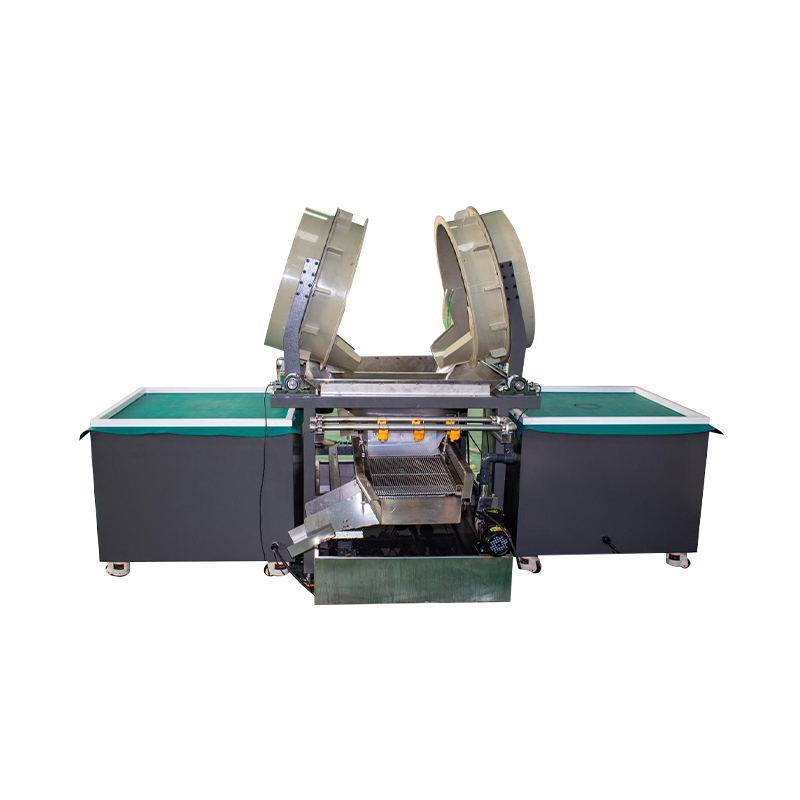
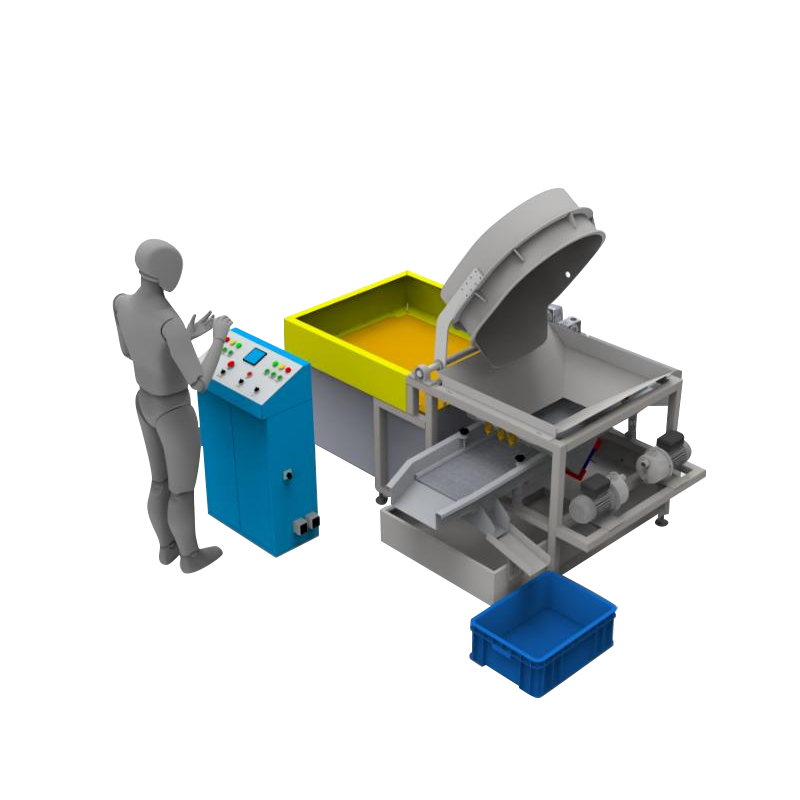
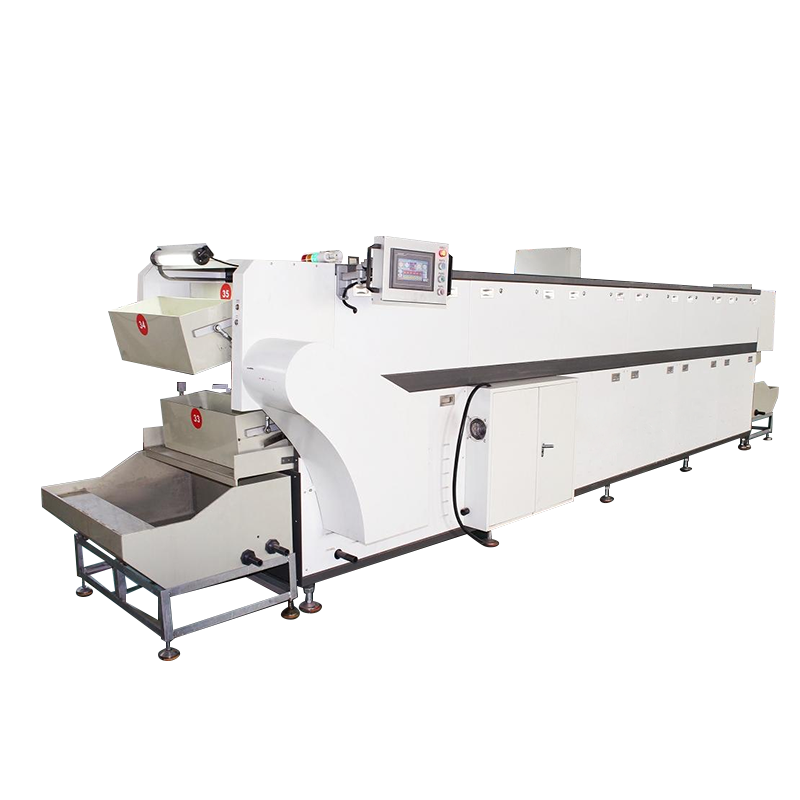
Industrial models (barrel size 360–500 mm, power 2.2 kW and above, capacity 6–10 kg of parts with 1–2 kg of pins) are built for continuous production environments. These machines handle larger and heavier workpieces, run extended cycles, and are designed to integrate into production lines alongside laser cutters, CNC machining centers, or stamping lines.
When evaluating models, pay attention to rotational speed range (wider range = more flexibility across materials), barrel material (stainless steel is more durable than plastic for industrial use), and the availability of a matching magnetic separator to streamline post-cycle separation. Contact our engineering team for a custom quote tailored to your specific part types and production volume.
Tips for Getting the Best Results
The machine does the work, but a few operational choices determine whether the finish is good or exceptional.
Pin-to-part ratio matters. As a starting point, use roughly 1–1.5 kg of pins for every 3–5 kg of parts. Too few pins reduces coverage and extends cycle time; too many can cause parts to cluster without adequate pin contact.
Liquid compound selection affects both finish and speed. A diluted neutral soap or proprietary polishing compound (typically 1–3% concentration in water) lubricates the process, reduces surface oxidation during treatment, and helps achieve a brighter final finish. Avoid strong acidic or alkaline solutions unless specifically formulated for magnetic finishing — they can degrade both the pins and the workpiece surface.
Cycle time should be tested, not assumed. Start with a 10-minute cycle and inspect the parts. Softer metals like aluminum and brass typically reach the desired finish faster; harder stainless steel alloys may require 15–20 minutes. Running parts too long rarely causes damage, but it wastes machine time that could be used for the next batch.
Pin maintenance extends media life significantly. After each cycle, rinse the pins thoroughly and inspect for bent or clustered needles. Stainless steel pins are durable — typical service life runs to hundreds of hours — but contaminated or bent pins reduce efficiency. Replace when the batch starts showing inconsistent results despite correct cycle parameters.