
 en
en English
 中文简体
中文简体 Español
 русский
 Français
 عربى
عربى Deutsch
 Português
 日本語
日本語 한국어
한국어 italiano
Shengya
Shengya
Shengya
Shengya
Shengya
Shengya
Shengya
Shengya
Shengya
Pass-Through Magnetic Deburring Polisher Suppliers
-
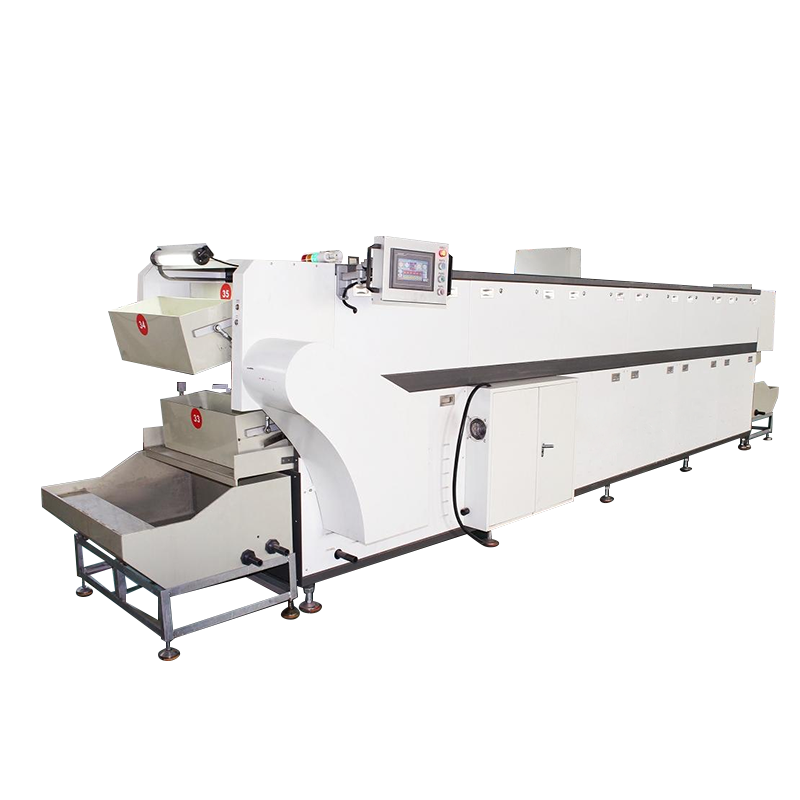

SY-P Series Continuous Pass-Through / In-Line Automatic Magnetic Deburring Polishing Machine
-
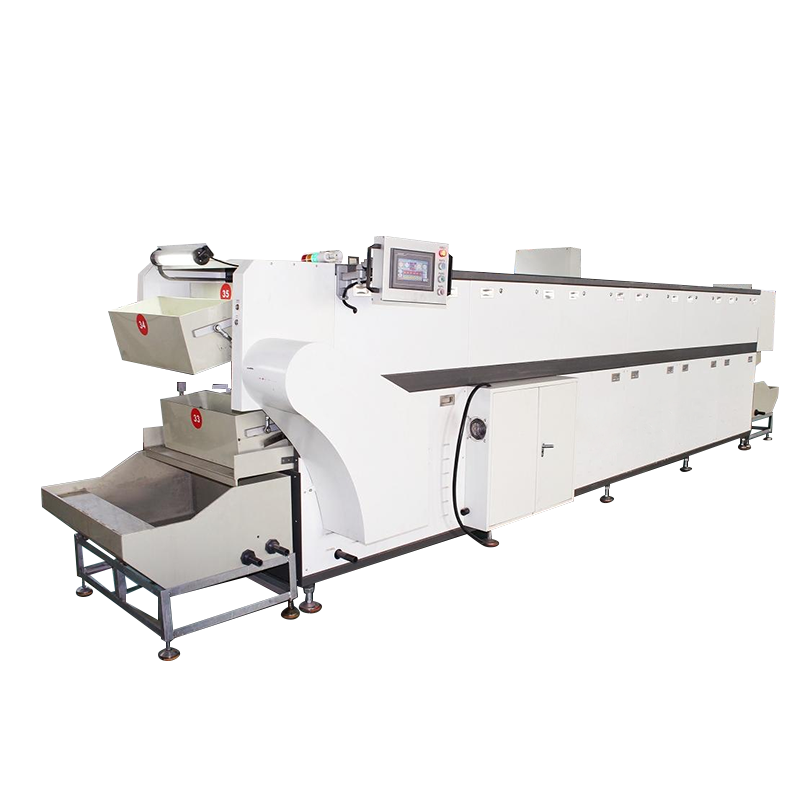
Automated Assembly Line Magnetic Polishing Machine
The Pass-Through Magnetic Polishing Machine series is built for the toughest high-volume pain points: deburring and finishing inner holes, blind features, dead corners, and complex geometries where manual work creates variability, rework, and bottlenecks—and where inter-process waiting and WIP handling quietly erode throughput.
The series centers on a continuous process concept: parts move steadily through the machine’s magnetic field, where polishing media and the workpiece interact long enough to complete both finishing and cleaning actions. Instead of repeated clamping, stopping, and transfers between stations, finishing becomes a managed flow—making surface quality and takt time part of the same controllable system.
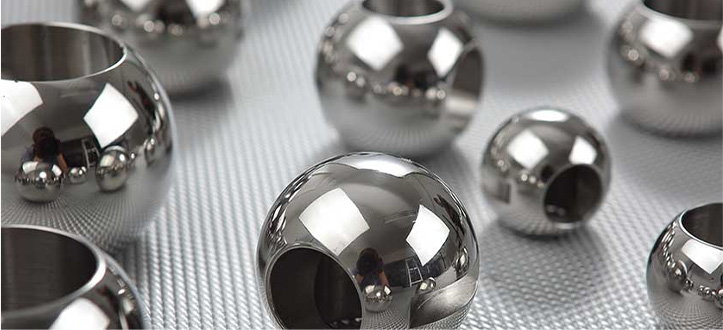
From an operator’s perspective, the most expensive problems are usually hidden in “consistency drift”: even within the same batch, small differences in orientation, contact path, or media condition can lead to uneven edge break, gloss, or cleanliness—later surfacing during assembly, sealing, wear performance, or appearance inspection. Pass-through magnetic finishing helps turn deburring, polishing, oxide removal, tool-mark mitigation, and degreasing/cleaning objectives into a parameter-driven process rather than an experience-driven craft.
As production pressure increases, “can people keep up?” quickly becomes the constraint. The series is designed to reduce dependence on skilled manual labor by enabling continuous, cyclic automated operation, while supporting better control of compound dilution/supply to minimize quality variation caused by changing process chemistry and media state—making it easier to build stable, repeatable shop-floor standards.
For manufacturers pursuing automation and lean flow, the series’ key value is line integration. Whether deployed as a fully automatic pass-through standalone solution or as a form factor intended for automated production lines, the goal is the same: convert deburring and polishing into a scalable, maintainable process module—reducing WIP residence time and handling, and ensuring finishing supports delivery cadence rather than limiting it.
14 TH
Years of Experience
About ShengYa
Suzhou Shengya Precision Machinery Co., Ltd. is a source manufacturer specialising in the research, development, production and sales of metal surface treatment equipment. Pass-Through Magnetic Deburring Polishing Machine Suppliers and Pass-Through Magnetic Deburring Polisher Factory in China. We are dedicated to providing global clients with professional integrated solutions for polishing, deburring and cleaning.
Located in Suzhou, Jiangsu Province, China, the company operates a modern production facility spanning approximately 2,000 square metres alongside a specialised R&D centre. With an annual output value reaching tens of millions, it stands as one of the leading enterprises in China's magnetic polishing and precision deburring equipment sector. Custom Pass-Through Magnetic Deburring Polisher.
-
1000+units/sets
Annual production capacity
-
14+years
Industry experience
-
1000+
Case studies
-
20+
High-tech patents
News Center
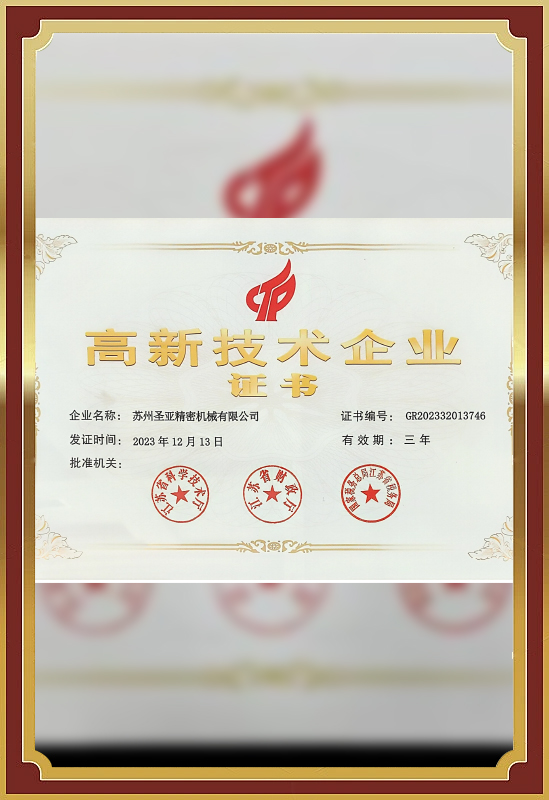
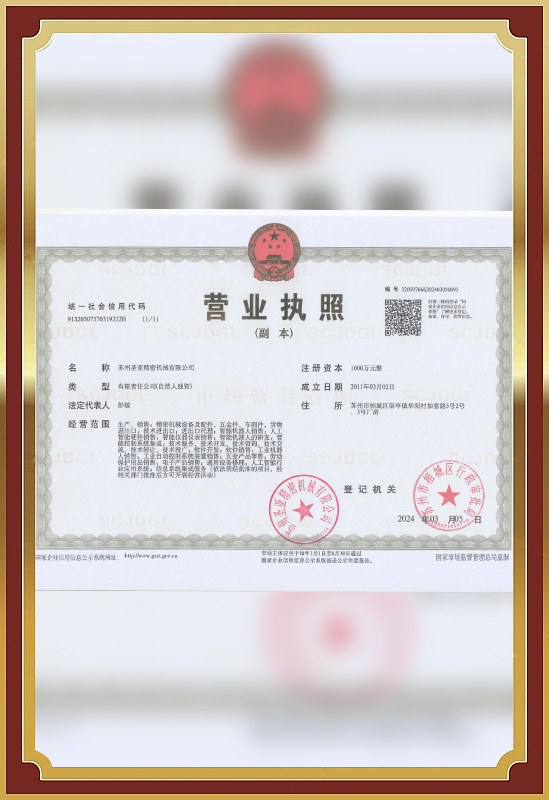
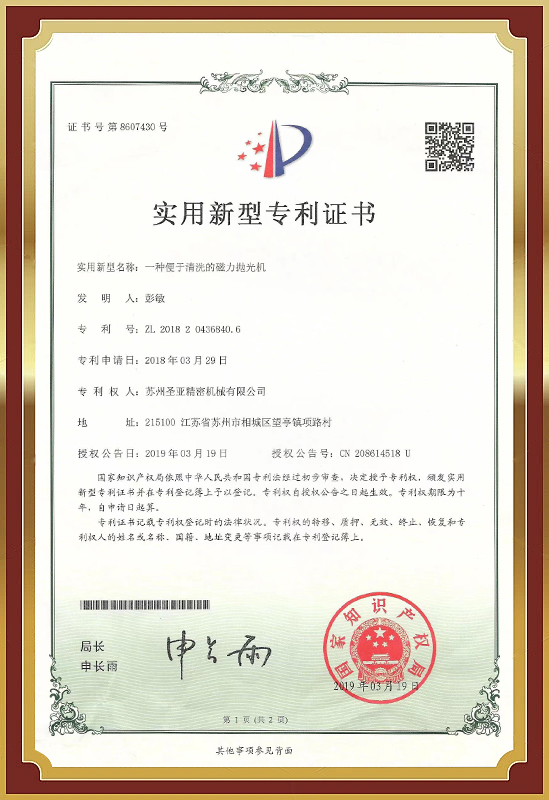
Certificate Of Honor
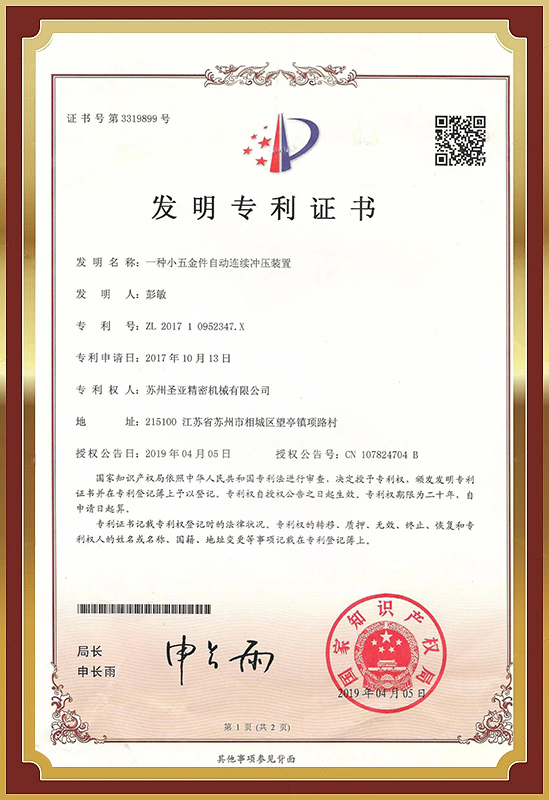
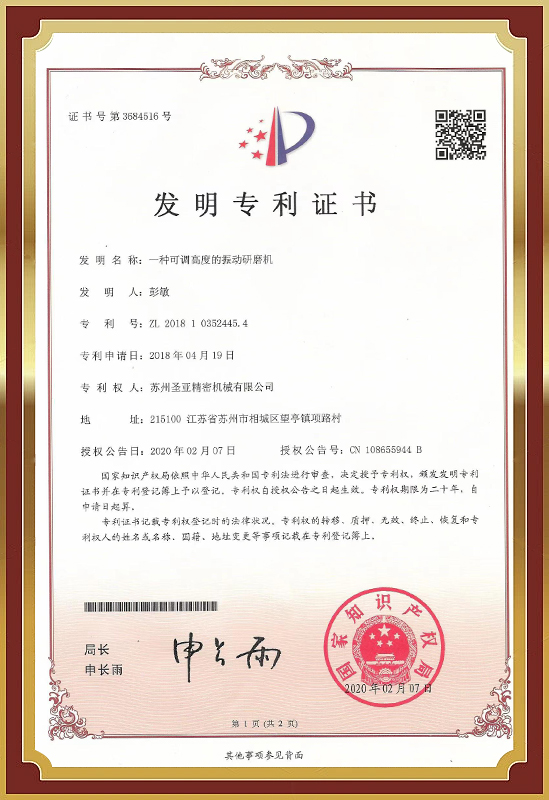
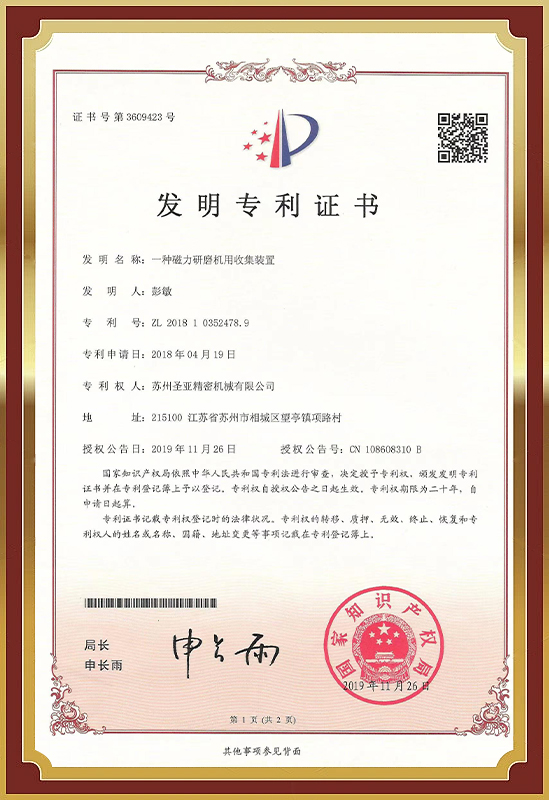
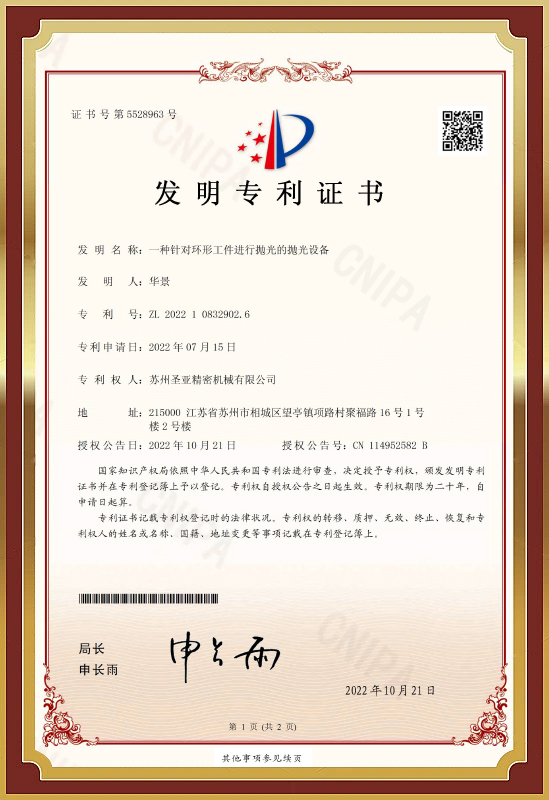
Pass-Through Magnetic Deburring Polishing Machine Industry knowledge
Throughput Optimization in Pass-Through Magnetic Deburring Polishing Machine Design
The Pass-Through Magnetic Deburring Polishing Machine employs a continuous conveyor-based architecture that enables uninterrupted processing of high-volume component streams, distinguishing it from batch-style magnetic finishing systems. This design utilizes segmented electromagnetic zones with independently adjustable field intensity, allowing operators to create a graduated polishing profile where aggressive burr removal occurs in the entry zone while finer surface refinement takes place toward the discharge end. By synchronizing conveyor speed (typically 0.5–3.0 m/min) with magnetic field frequency (20–60 Hz), manufacturers achieve consistent edge radiusing across complex geometries like threaded fasteners, hydraulic fittings, or precision stamped components without manual intervention. Critical to maintaining quality at scale is the implementation of real-time media replenishment systems that automatically compensate for abrasive wear, ensuring uniform finishing performance across extended production shifts.
Process Parameter Calibration for Continuous Flow Operations
| Component Category | Conveyor Speed | Field Intensity Profile |
| Small Precision Parts (<50mm) | 0.8–1.5 m/min | High entry intensity, gradual taper to finishing zone |
| Medium Structural Components | 1.2–2.2 m/min | Uniform mid-range intensity with oscillating pattern |
| Elongated Profiles (>300mm) | 0.5–1.0 m/min | Multi-zone sequential activation for full-length coverage |
Integration Strategies for Pass-Through Magnetic Deburring Polisher in Automated Lines
- Implement vision-guided part orientation systems upstream of the Pass-Through Magnetic Deburring Polisher to ensure consistent workpiece alignment with the magnetic field vector, maximizing media contact efficiency and reducing rework rates by up to 35%.
- Integrate inline surface roughness sensors at the discharge point to provide real-time SPC feedback, enabling automatic adjustment of conveyor speed or field intensity when Ra values drift beyond specified tolerance bands.
- Deploy automated media filtration and recirculation modules with particle size monitoring to maintain consistent abrasive performance; replacing media when fine particulate content exceeds 20% prevents surface scratching and extends media lifecycle.
- Schedule predictive maintenance checks on conveyor drive components and electromagnetic coil insulation based on cumulative operating hours rather than calendar intervals, reducing unplanned downtime by aligning service activities with actual equipment wear patterns.
Strategic Deployment Frameworks for Continuous-Flow Surface Finishing
Successful implementation of a Pass-Through Magnetic Deburring Polishing Machine requires holistic planning that addresses part handling logistics, utility infrastructure, and quality verification workflows. Modular equipment designs enable phased capacity expansion aligned with production growth, while PLC-based control architectures facilitate seamless integration with existing Manufacturing Execution Systems for traceability and process documentation. Critical considerations include buffer zone sizing to accommodate upstream/downstream cycle time variations, redundant fluid management systems to prevent contamination-related quality deviations, and ergonomic access points for routine media maintenance without interrupting continuous operation. Suzhou Shengya Precision Machinery Co., Ltd., as a source manufacturer specialising in the research, development, production and sales of metal surface treatment equipment, delivers these advanced Pass-Through Magnetic Deburring Polisher configurations from their facility in Suzhou, Jiangsu Province, China. Operating a modern production centre spanning approximately 2,000 square metres alongside a specialised R&D centre, the company provides global clients with professional integrated solutions for polishing, deburring and cleaning. With an annual output value reaching tens of millions, it stands as one of the leading enterprises in China's magnetic polishing and precision deburring equipment sector, supporting manufacturers in achieving high-throughput, repeatable surface finishes that meet stringent automotive, aerospace, and medical device industry standards while minimizing manual labor dependencies and operational waste.

- Add: No. 3 Ruyi Road, Wangting Town, Xiangcheng District, Suzhou City, Jiangsu Province, China.
- Tel: +86-512-66727763
- Phone: +86-15850002880
- E-mail: [email protected]
Product
Quick Links
Contact Us
Copyright © Suzhou Shengya Precision Machinery Co., Ltd.All Rights Reserved.
 OEM/ODM Pass-Through Magnetic Deburring Polishing Machine Factory
