 en
en English
 中文简体
中文简体 Español
 русский
 Français
 عربى
عربى Deutsch
 Português
 日本語
日本語 한국어
한국어 italiano
Shengya
Shengya
Shengya
Shengya
Shengya
Shengya
Shengya
Shengya
Shengya
Industrial Cleaning Machine Manufacturers
-
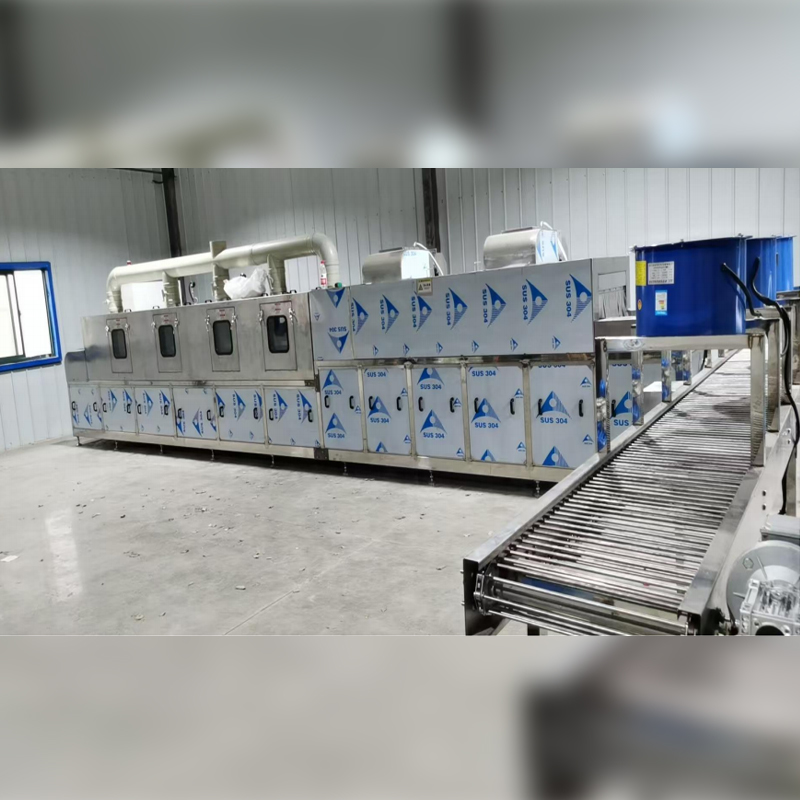

Custom Industrial Precision Ultrasonic Cleaning Machine
-
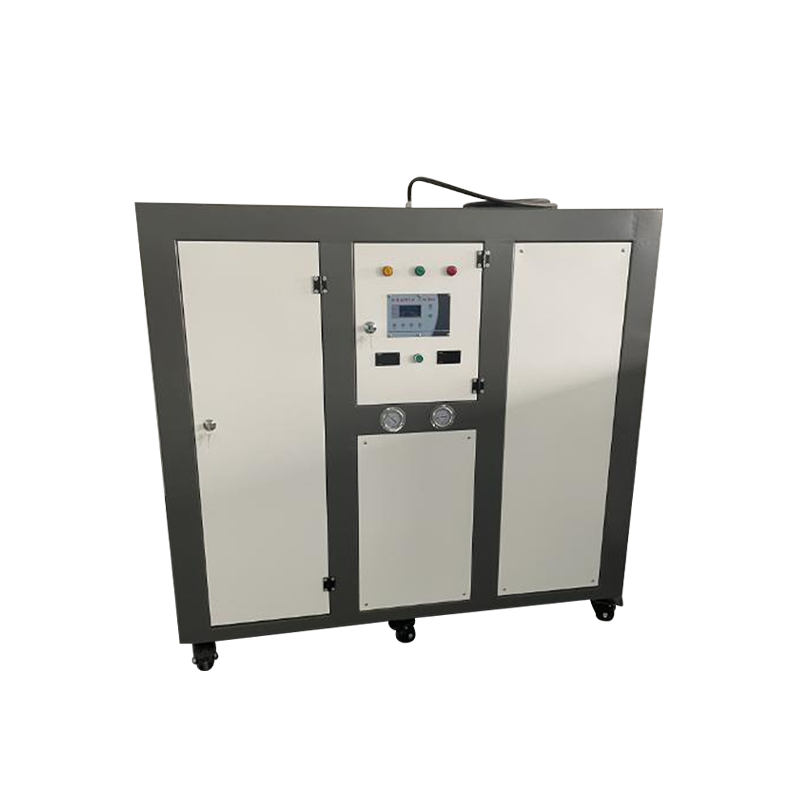
Industrial Circulating Chiller Unit / Constant Temperature Cooling System
-
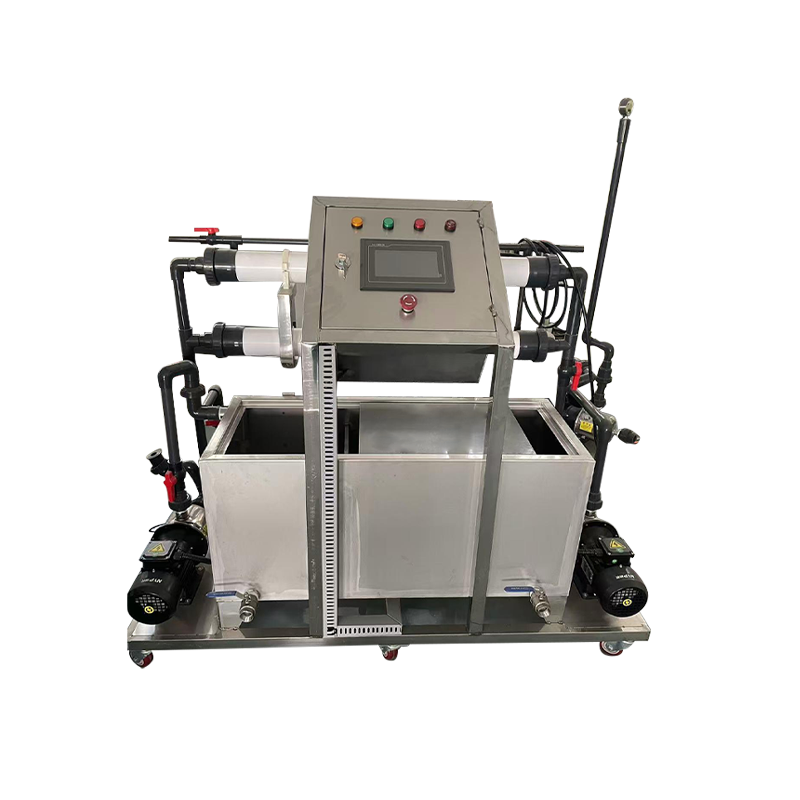
SY-160L/H Industrial Water Circulation & Purification System
The Industrial Cleaning and Water Treatment Equipment series is built around four operational outcomes: verified cleanliness, stable process conditions, controlled water as a process medium, and sustained uptime. The intent is to remove contaminants and heat from your process chain without sacrificing takt time—while turning water from a cost and risk center into a managed utility.
In precision manufacturing, surface treatment, electronics, and medical workflows, yield is often driven less by “clean or not” and more by repeatability between batches. Ultrasonic cleaning brings effective cleaning action into complex geometries—gaps, blind holes, and intricate features—reducing hidden failure modes caused by residual oils and particles (e.g., poor coating adhesion, bonding/soldering defects, or assembly interference). It also supports non-standard customization so the cleaning stage can be integrated into your existing line layout, fixtures, and cycle time constraints.
Once cleaning becomes a continuous production step, thermal management directly impacts cleaning consistency and equipment stability. The water recirculating cooling unit provides a controlled low-temperature environment for key devices and process media, helping you hold critical fluids and operating points within a tighter temperature window—reducing drift, evaporation, and temperature-driven variability that can otherwise force unplanned downtime.
Water quality determines whether a recirculation loop can run for the long term. If suspended solids and fine particles are carried back upstream, contamination amplifies with every cycle, typically showing up as clogged sprays, reduced heat-exchange efficiency, higher turbidity, biofouling, and corrosion. The water recirculating filtration unit intercepts impurities to remove suspended matter and particulates, reduce turbidity, and suppress fouling, algae growth, and corrosion—making recirculated water closer to “reusable process water.”
From a user standpoint, filtration must match your contamination profile—not merely “filter.” Combining bag filtration with multi-stage precision filtration enables staged capture of coarse and fine particles (e.g., 25 μm bag filtration and precision stages down to 5 μm), maintaining reuse-water quality while minimizing line interruptions and preventing recontamination of the cleaning stage.
Operational value ultimately comes from fewer water changes, less maintenance, and fewer failures. With integrated circulation and control (e.g., PLC operation), drain, makeup water, filtration, and reuse become easier to standardize—shifting day-to-day management from “the water looks worse again” to “are we within control limits, and when is a cost-optimal consumables changeover.”
For lines that connect cleaning and water utilities into one system, cooling and filtration work together to make capacity measurable and scalable.
The series is also designed to coordinate with upstream and downstream surface-finishing operations, supporting a closed-loop logic across your process chain—contaminant removal, temperature stability, water-quality control, and reuse—so continuous production becomes more repeatable and governable.
14 TH
Years of Experience
About ShengYa
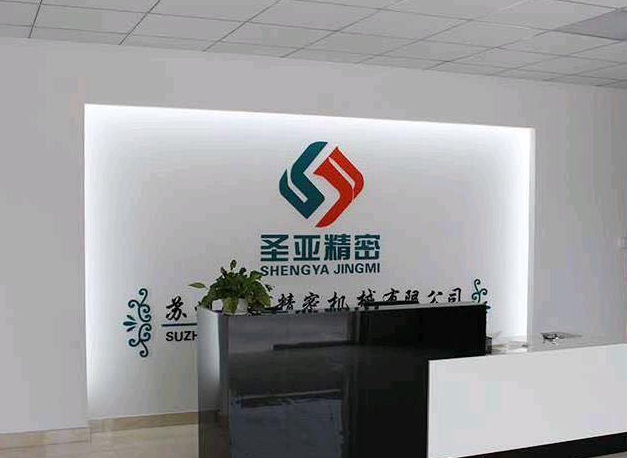
Suzhou Shengya Precision Machinery Co., Ltd. is a source manufacturer specialising in the research, development, production and sales of metal surface treatment equipment. Industrial Water Treatment Equipment Manufacturers and Industrial Cleaning Machine Factory in China. We are dedicated to providing global clients with professional integrated solutions for polishing, deburring and cleaning.
Located in Suzhou, Jiangsu Province, China, the company operates a modern production facility spanning approximately 2,000 square metres alongside a specialised R&D centre. With an annual output value reaching tens of millions, it stands as one of the leading enterprises in China's magnetic polishing and precision deburring equipment sector. Custom Industrial Water Treatment System.
-
1000+units/sets
Annual production capacity
-
14+years
Industry experience
-
1000+
Case studies
-
20+
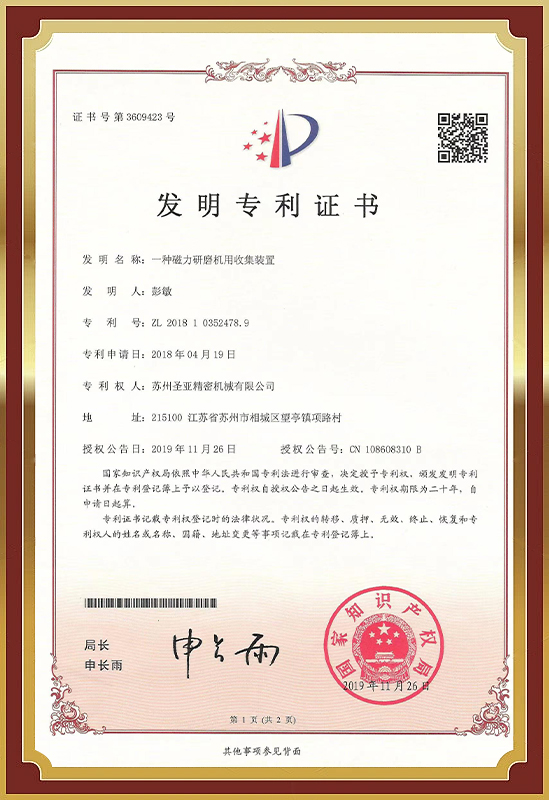
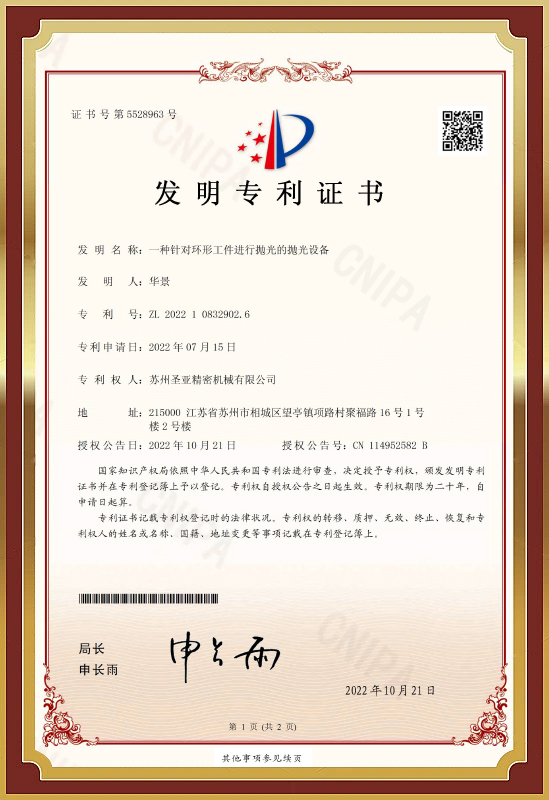
High-tech patents
News Center
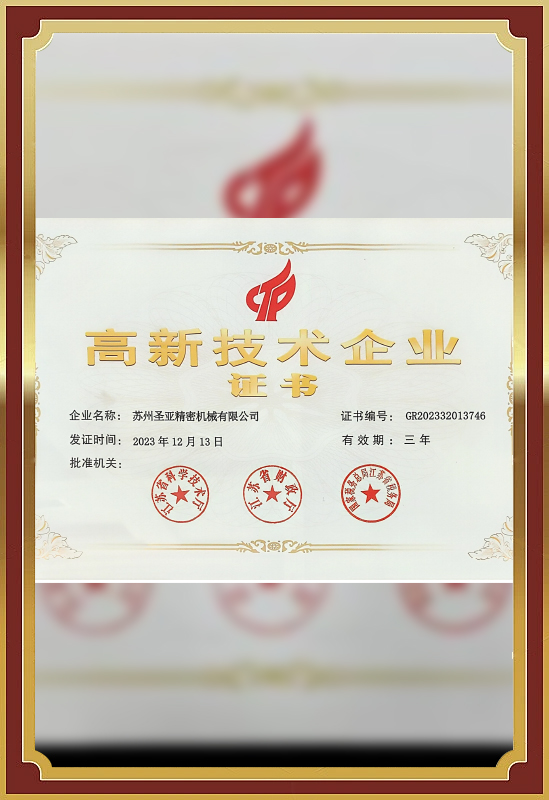
Certificate Of Honor
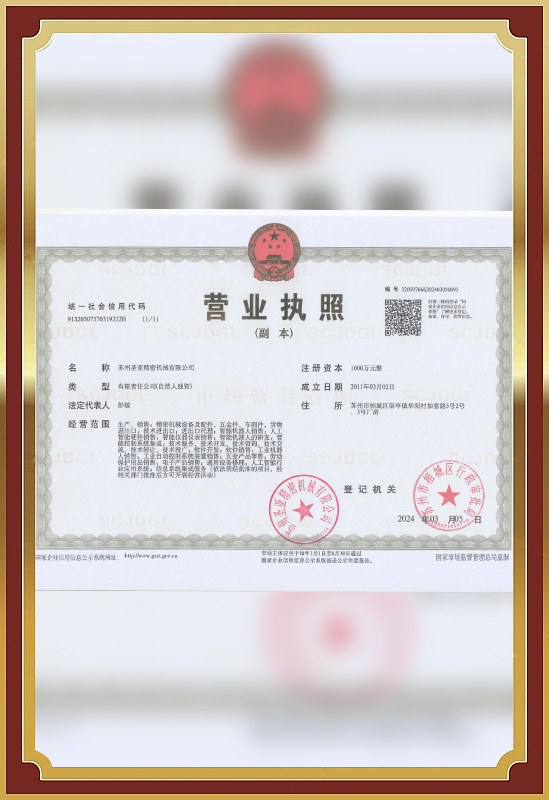
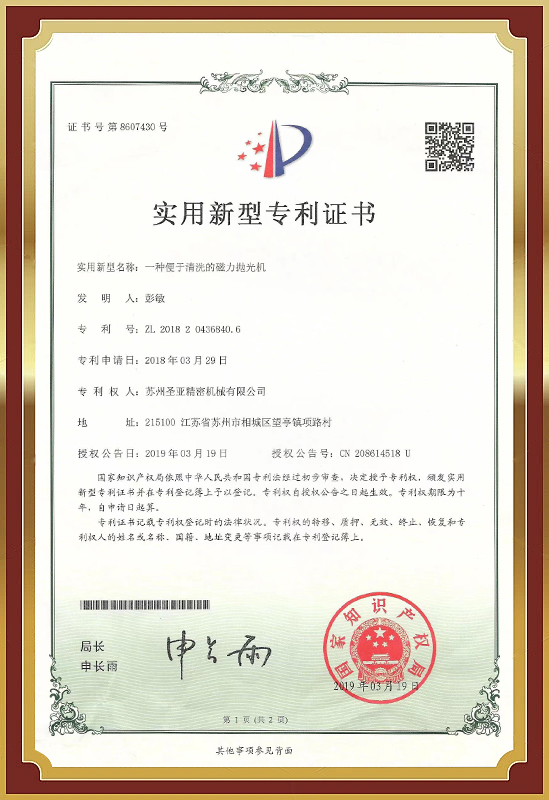
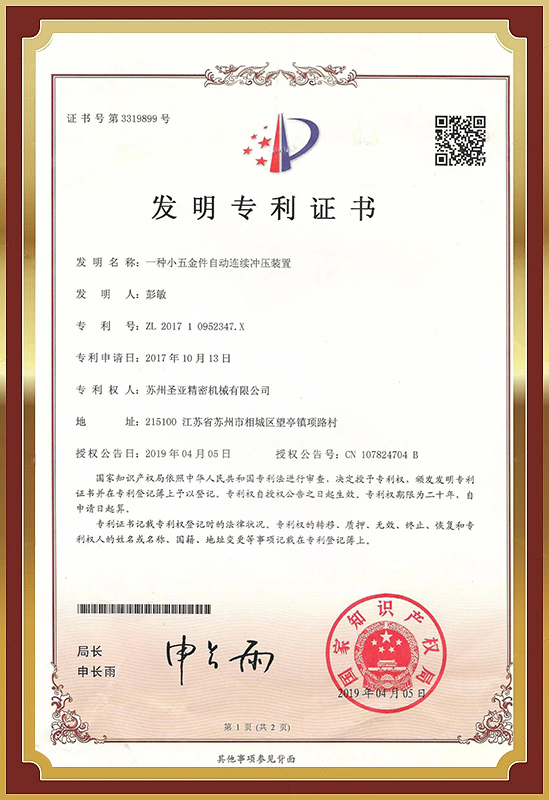
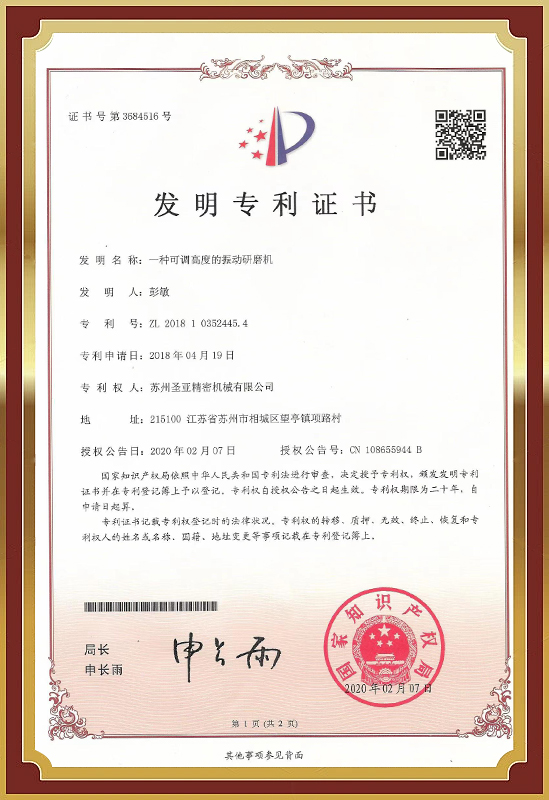
Industrial Cleaning and Water Treatment Equipment Industry knowledge
Advanced Filtration Architectures in Industrial Cleaning Machine Design
Modern Industrial Cleaning Machine configurations integrate multi-barrier filtration protocols that combine mechanical straining, adsorptive media beds, and electrocoagulation modules to address complex contaminant profiles. Unlike single-stage wash systems, this layered approach effectively removes particulate matter down to 0.5 microns while simultaneously breaking down emulsified oils and chelating heavy metal ions from wastewater streams. The sequential arrangement—starting with coarse basket filters, progressing through activated carbon columns, and concluding with membrane ultrafiltration—ensures that cleaning fluids maintain consistent chemical stability across extended production cycles. This methodology proves particularly valuable for precision manufacturers processing aluminum aerospace components or medical device housings where residual contaminants could compromise subsequent coating adhesion or sterilization validation.
Contaminant-Specific Treatment Protocol Selection
| Contaminant Type | Primary Treatment Method | Verification Metric |
| Emulsified Cutting Oils | Electrocoagulation + dissolved air flotation | Oil content < 5 ppm (gravimetric) |
| Metallic Particulates | Magnetic separation + cartridge filtration | Turbidity < 1 NTU |
| Organic Solvent Residues | Advanced oxidation + activated carbon | TOC reduction > 95% |
Operational Efficiency Strategies for Industrial Water Treatment Equipment
- Implement real-time conductivity monitoring at multiple process stages to dynamically adjust chemical dosing rates, reducing reagent consumption by 15–25% while maintaining treatment efficacy.
- Schedule membrane cleaning cycles based on transmembrane pressure differentials rather than fixed time intervals; this predictive approach extends membrane lifespan by 30–40% and minimizes unplanned downtime.
- Integrate heat recovery units on effluent discharge lines to pre-warm incoming process water, lowering energy requirements for temperature-sensitive cleaning operations by up to 18%.
- Maintain sludge dewatering systems with polymer conditioning optimized for specific metal hydroxide compositions; proper flocculant selection reduces disposal volumes by 20–35% while meeting landfill acceptance criteria.
System Integration Frameworks for Industrial Water Treatment System Deployment
Successful implementation of an Industrial Water Treatment System requires holistic consideration of hydraulic loading patterns, contaminant variability, and regulatory discharge limits. Modular skid-mounted designs enable phased capacity expansion aligned with production growth, while PLC-based control architectures facilitate seamless integration with existing Manufacturing Execution Systems. Critical design parameters include peak flow equalization basins sized for 1.5x maximum hourly discharge, redundant pump configurations for mission-critical processes, and inline analytical instruments with automatic calibration routines to ensure continuous compliance monitoring. Suzhou Shengya Precision Machinery Co., as a source manufacturer specialising in the research, development, production and sales of metal surface treatment equipment, delivers comprehensive solutions that bridge the gap between Industrial Cleaning Machine operations and downstream Industrial Water Treatment Equipment requirements. Located in Suzhou, Jiangsu Province, China, the company operates a modern production facility spanning approximately 2,000 square metres alongside a specialised R&D centre, enabling rapid customization of Industrial Water Treatment System configurations for diverse manufacturing sectors. With an annual output value reaching tens of millions, it stands as one of the leading enterprises in China's magnetic polishing and precision deburring equipment sector, providing global clients with professional integrated solutions for polishing, deburring and cleaning that prioritize environmental stewardship alongside operational excellence.

- Add: No. 3 Ruyi Road, Wangting Town, Xiangcheng District, Suzhou City, Jiangsu Province, China.
- Tel: +86-512-66727763
- Phone: +86-15850002880
- E-mail: [email protected]
Product
Quick Links
Contact Us
Copyright © Suzhou Shengya Precision Machinery Co., Ltd.All Rights Reserved.
 OEM/ODM Industrial Water Treatment Equipment Factory
