 en
 English
 中文简体
 Español
 русский
 Français
 عربى
 Deutsch
 Português
 日本語
 한국어
 italiano
Shengya
Shengya
Shengya
Shengya
Shengya
Shengya
Shengya
Shengya
Shengya

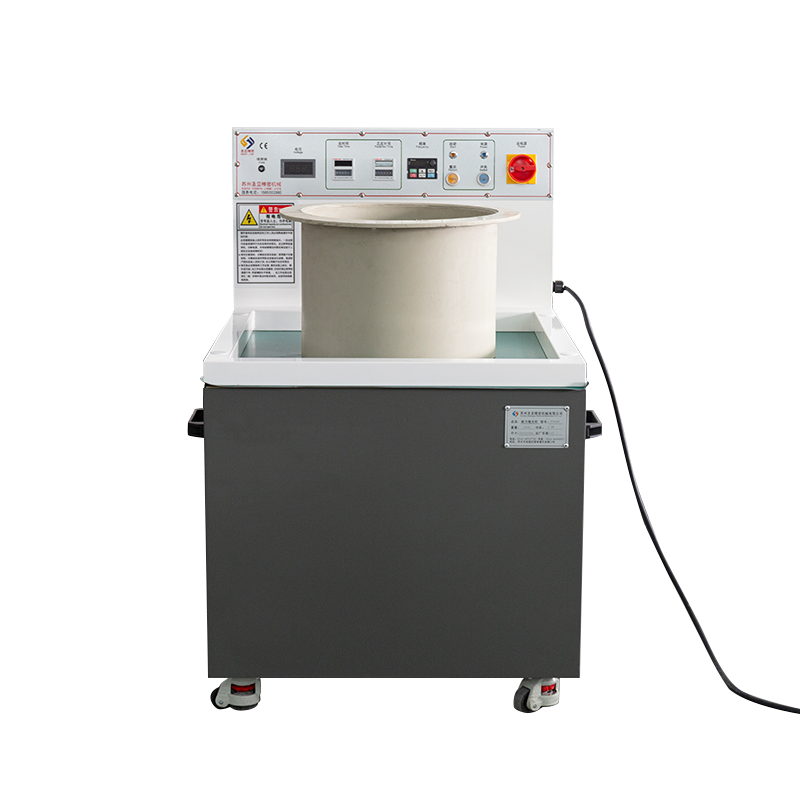
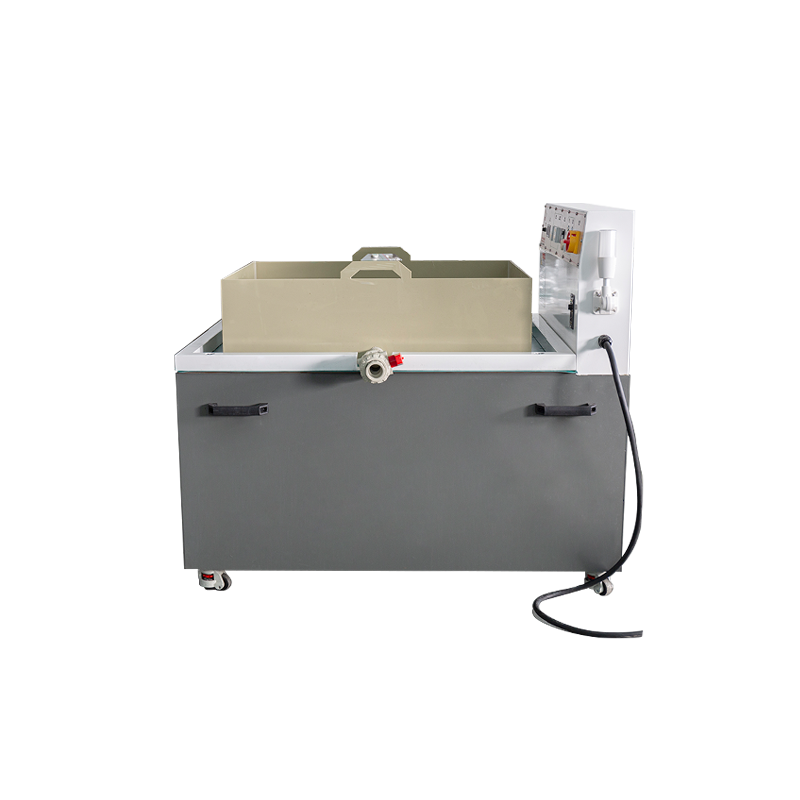
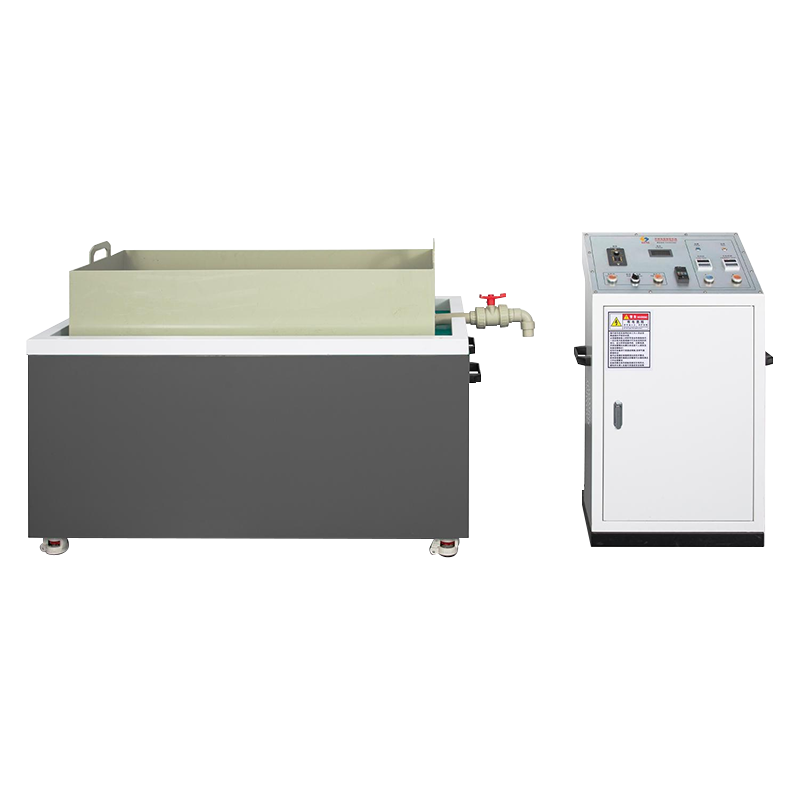
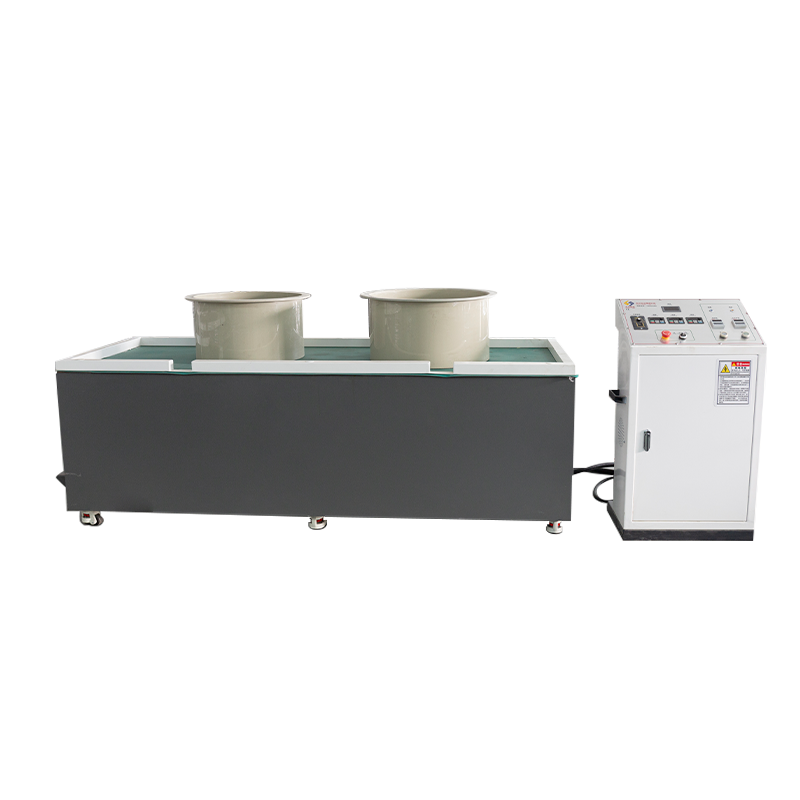
Specification
| Parameter | Typical Specification |
|---|---|
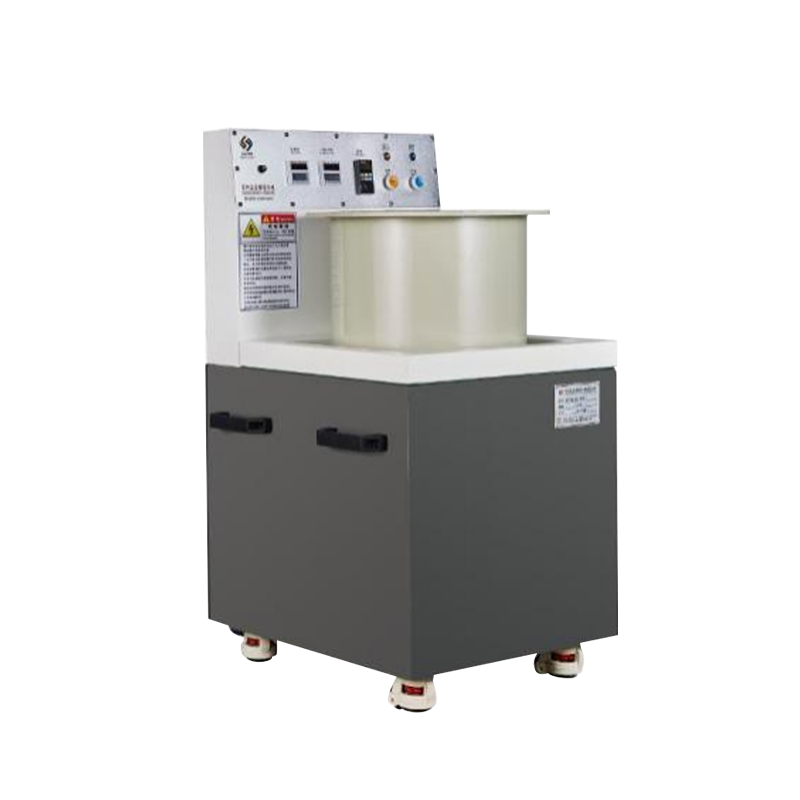
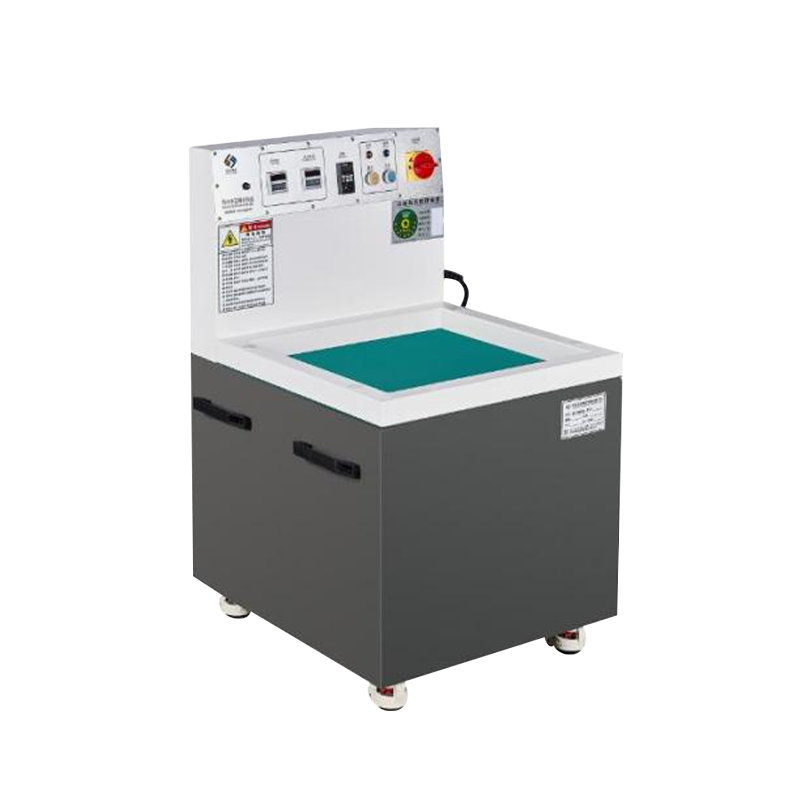
| Working principle | Rotating magnetic field drives stainless steel pins through the part surface |
| Pin material | SUS304 or SUS316 stainless steel |
| Pin diameter | 0.2 mm to 1.5 mm, selected by burr size and part geometry |
| Tank capacity | 2 L to 20 L depending on model |
| Rotation speed | Approx. 500 to 2800 rpm, stepless adjustment |
| Motor power | 0.4 kW to 1.5 kW depending on model |
| Power supply | 110 V / 220 V / 380 V, 50 / 60 Hz, customizable to destination market |
| Process time | Typically 10 to 60 minutes per batch |
| Process medium | Clean water with a deburring or polishing liquid |
| Control | Digital timer and speed control; forward / reverse rotation on selected models |
| Suitable medical materials | 316L stainless steel, titanium alloys, cobalt chrome, nitinol |
| Process medium | Water with a mild liquid; compatible with downstream cleaning |
| Process records | Time and speed set digitally, suitable for work instructions |
| Typical part size | 0.5 mm to 60 mm |
Specifications are typical values. Models, tank size, voltage and options can be customized. Please contact us with your part details for a suggested configuration.
Application
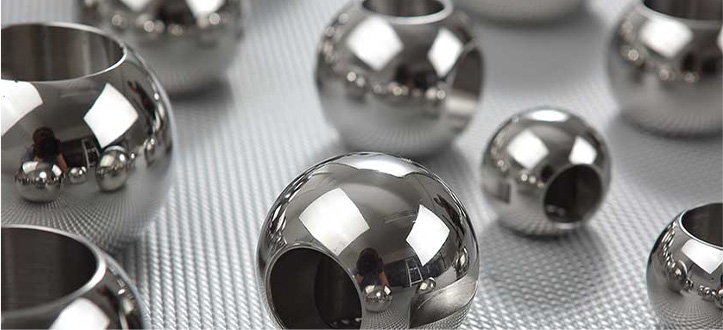
Medical manufacturers use magnetic finishing for small, delicate parts where hand deburring is slow and difficult to control.
- Orthopedic screws and pins: clean thread starts and edges after machining.
- Surgical instrument components: deburr small joints, jaws and fine features.
- Dental implants and abutments: finish fine threads and edges.
- Needles, cannulas and tubes: remove inner and outer edge burrs on small tubing.
- Catheter and guide wire hardware: clean small metal tips and connectors.
- Diagnostic device components: deburr small metal parts and housings.
Each medical customer has its own validation and cleanliness requirements. We can provide process parameters and test samples to support your internal qualification work.
Advantages
- Gentle on delicate parts: no heavy impact, protecting thin walls and fine features.
- Consistent results: controlled time and speed support repeatable finishing.
- Water-based process: easy to follow with cleaning and passivation steps.
- Reaches difficult features: deburrs inner holes and threads.
- Lower manual variation: reduces dependence on operator skill and visual judgement.
- Wide material range: works with stainless, titanium and cobalt chrome.
Comparison with Other Deburring Methods
| Factor | Magnetic Pin Deburring | Vibratory or Barrel Finishing | Manual Deburring |
|---|---|---|---|
| Access to small holes and slots | Excellent, fine pins enter micro features | Limited, media is often too large | Depends on operator and tools |
| Typical cycle time | 10 to 60 minutes per batch | Several hours per batch | Minutes per part, labour heavy |
| Consistency between batches | High, controlled by time and speed | Medium | Varies by operator |
| Risk of part-to-part damage | Low, parts are held in the pin bed | Higher, parts can collide | Scratches and over-removal possible |
| Labour requirement | Low, load and unload only | Low | High |
| Fit for medical parts | Clean, gentle, controllable | Media residue can need extra cleaning | Operator variation is a risk |
Buyers usually compare cycle time, access to small features, running cost and consistency. Send us a sample and we can show how the process performs on your own parts.