 en
 English
 中文简体
 Español
 русский
 Français
 عربى
 Deutsch
 Português
 日本語
 한국어
 italiano
Shengya
Shengya
Shengya
Shengya
Shengya
Shengya
Shengya
Shengya
Shengya
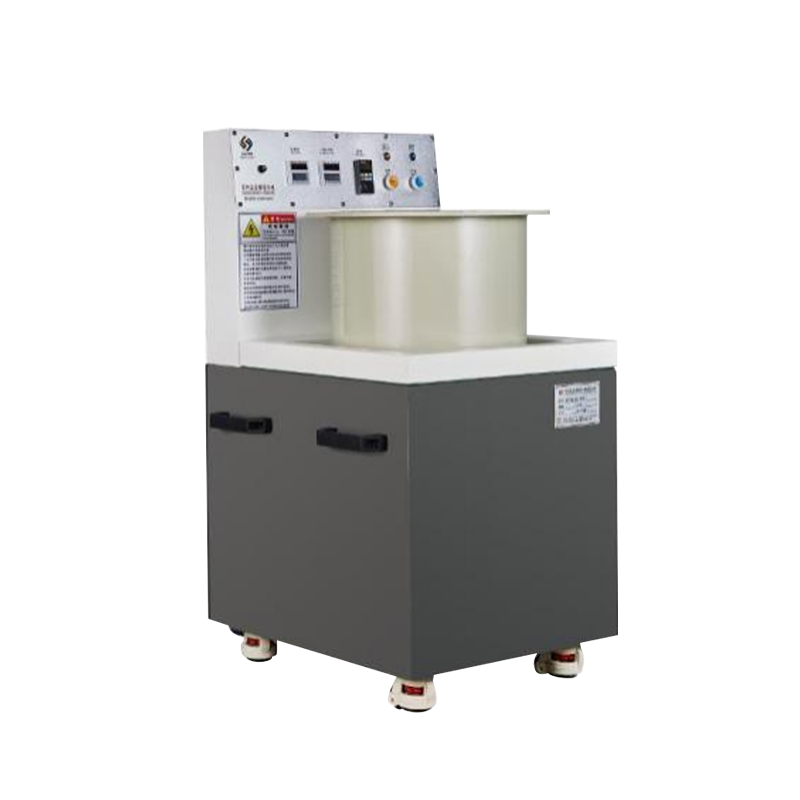

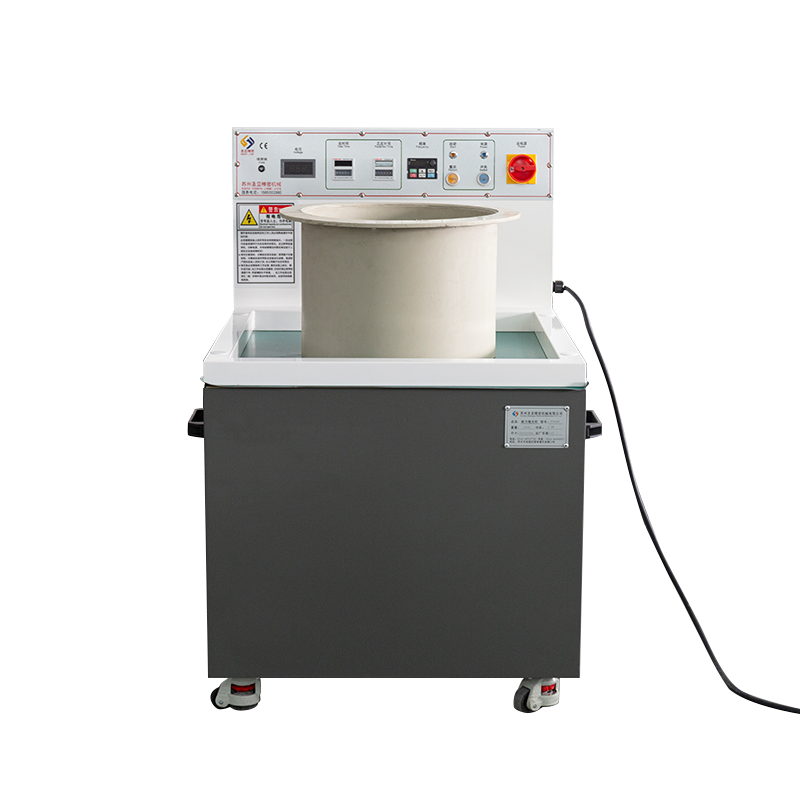
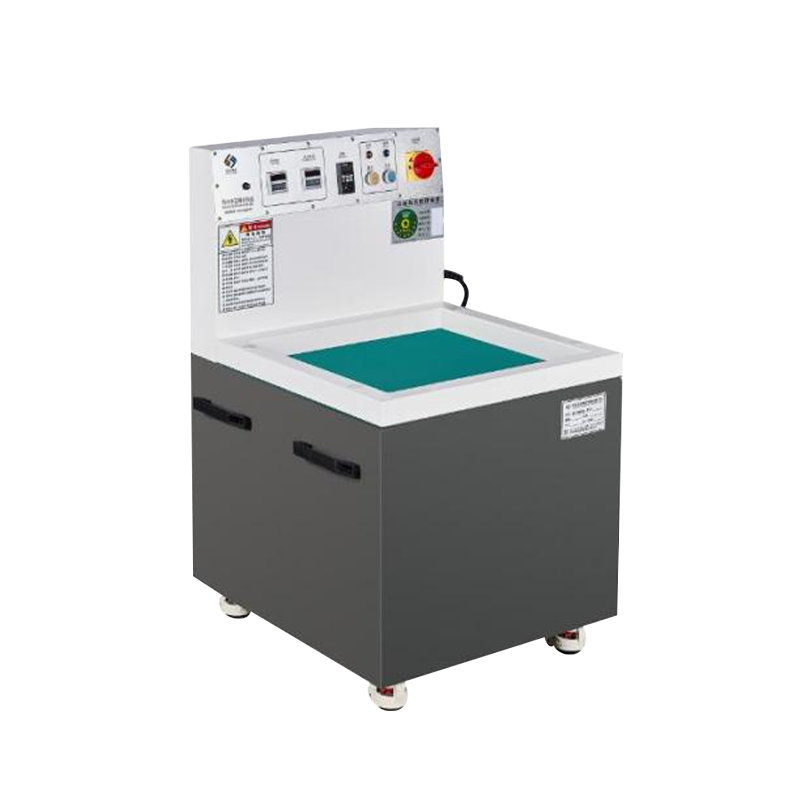
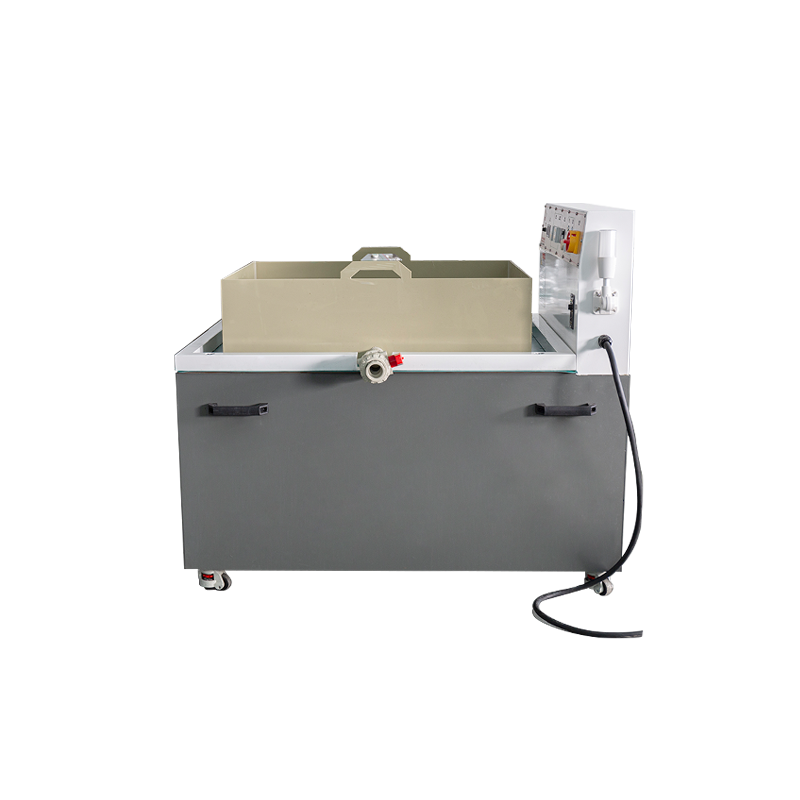
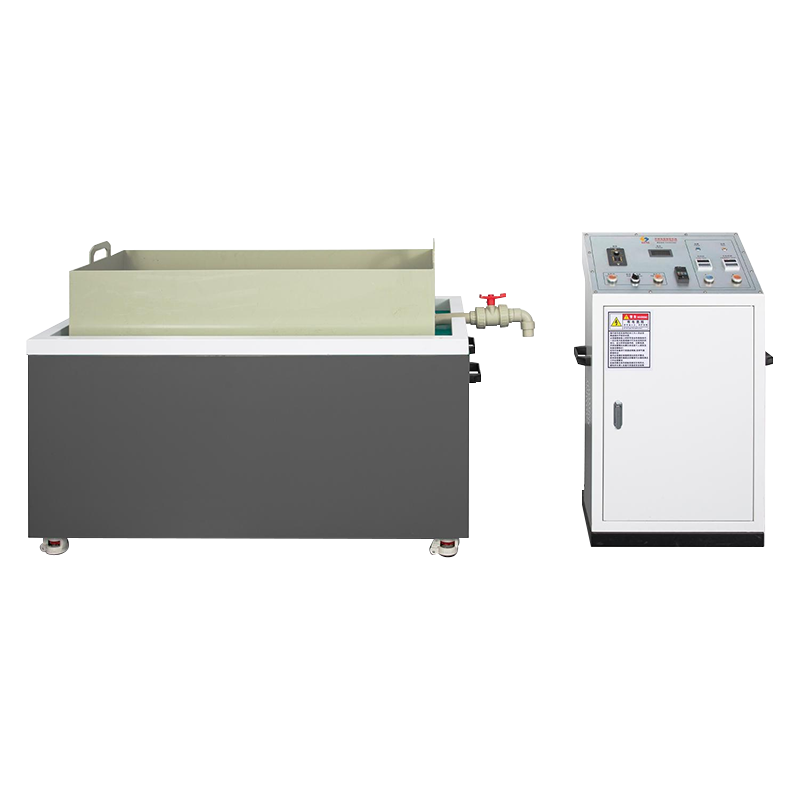
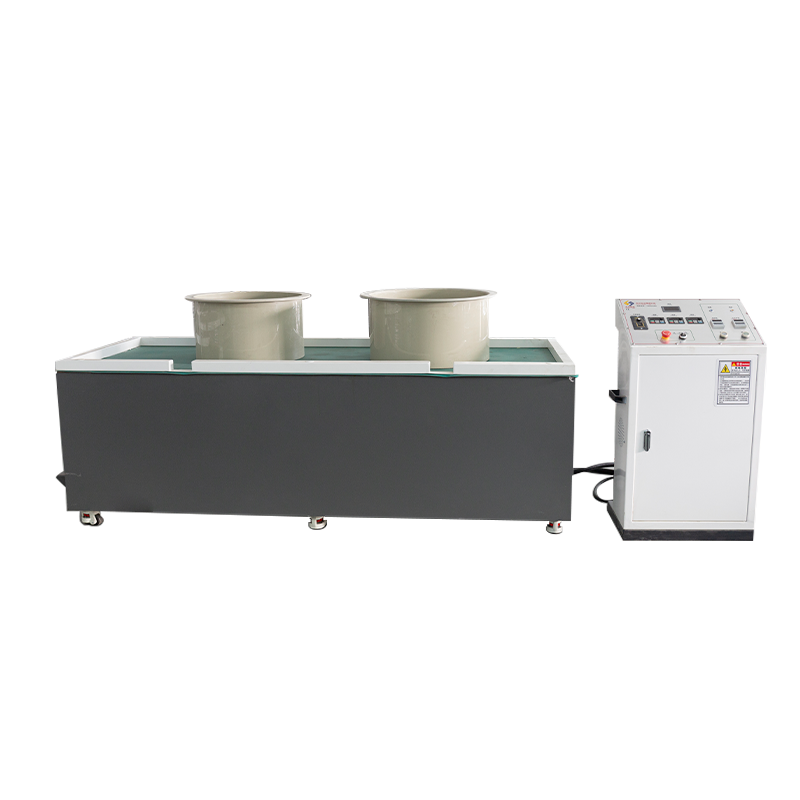
Specification
| Parameter | Typical Specification |
|---|---|
| Working principle | Rotating magnetic field drives stainless steel pins through the part surface |
| Pin material | SUS304 or SUS316 stainless steel |
| Pin diameter | 0.2 mm to 1.5 mm, selected by burr size and part geometry |
| Tank capacity | 2 L to 20 L depending on model |
| Rotation speed | Approx. 500 to 2800 rpm, stepless adjustment |
| Motor power | 0.4 kW to 1.5 kW depending on model |
| Power supply | 110 V / 220 V / 380 V, 50 / 60 Hz, customizable to destination market |
| Process time | Typically 10 to 60 minutes per batch |
| Process medium | Clean water with a deburring or polishing liquid |
| Control | Digital timer and speed control; forward / reverse rotation on selected models |
| Suitable aerospace materials | Titanium, Inconel, stainless steel, 7075 aluminum, 6061 aluminum |
| Edge control | Burr removal with adjustable light edge rounding |
| Typical part size | 1 mm to 100 mm |
| Parameter control | Digital time and speed, suitable for written process sheets |
| Optional configuration | Programmable automatic model with recipe storage |
Specifications are typical values. Models, tank size, voltage and options can be customized. Please contact us with your part details for a suggested configuration.
Application
Aerospace suppliers use magnetic finishing to deburr small, high-value parts that are costly to scrap.
- Fuel system parts: remove burrs from small nozzles, orifices and fittings.
- Hydraulic components: deburr cross holes and port intersections in valve bodies.
- Connectors and sensor housings: clean fine edges and holes.
- Fasteners and pins: finish threads and edges on small fasteners.
- Turbine and engine accessory parts: deburr small machined components.
- Lightweight brackets: clean machined aluminum and titanium brackets.
Aerospace edge specifications vary by program. Please share your drawing requirements so we can run a sample and suggest process parameters.
Advantages
- Repeatable process: fixed settings give uniform edge quality batch after batch.
- Reaches internal features: cleans holes and intersections that tools cannot access.
- Protects expensive parts: gentle action lowers the risk of scrap and rework.
- Works on hard alloys: titanium and nickel alloys finish well with correct pin selection.
- Supports documentation: parameters can be written into process sheets and controlled.
- Less hand work: frees skilled technicians from repetitive deburring.
Comparison with Other Deburring Methods
| Factor | Magnetic Pin Deburring | Vibratory or Barrel Finishing | Manual Deburring |
|---|---|---|---|
| Access to small holes and slots | Excellent, fine pins enter micro features | Limited, media is often too large | Depends on operator and tools |
| Typical cycle time | 10 to 60 minutes per batch | Several hours per batch | Minutes per part, labour heavy |
| Consistency between batches | High, controlled by time and speed | Medium | Varies by operator |
| Risk of part-to-part damage | Low, parts are held in the pin bed | Higher, parts can collide | Scratches and over-removal possible |
| Labour requirement | Low, load and unload only | Low | High |
| Fit for aerospace parts | Controlled, repeatable edge condition | Variable, may mark parts | Operator dependent |
Buyers usually compare cycle time, access to small features, running cost and consistency. Send us a sample and we can show how the process performs on your own parts.