 en
 English
 中文简体
 Español
 русский
 Français
 عربى
 Deutsch
 Português
 日本語
 한국어
 italiano
Shengya
Shengya
Shengya
Shengya
Shengya
Shengya
Shengya
Shengya
Shengya

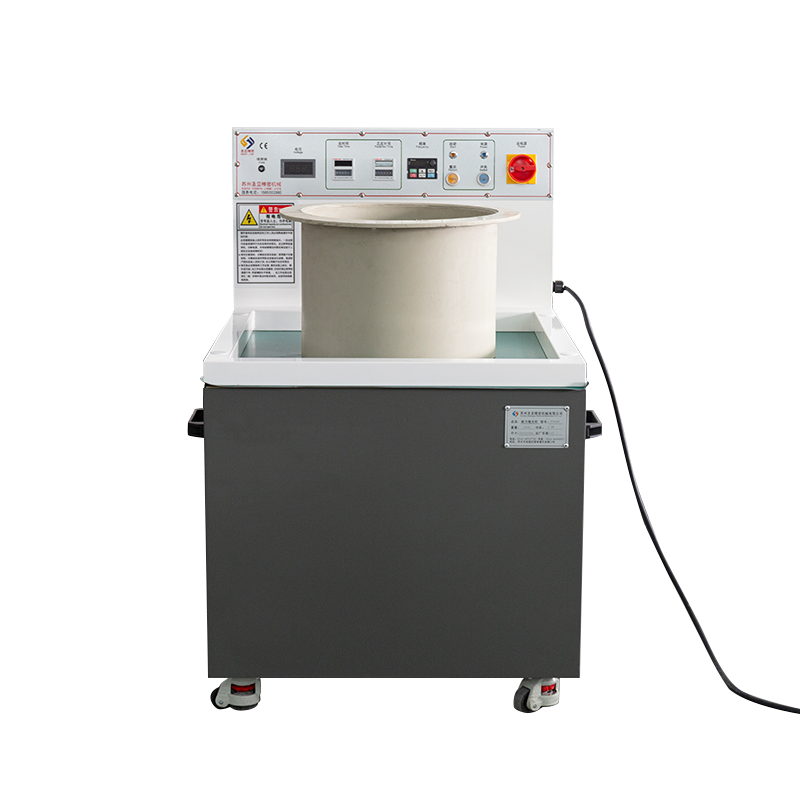
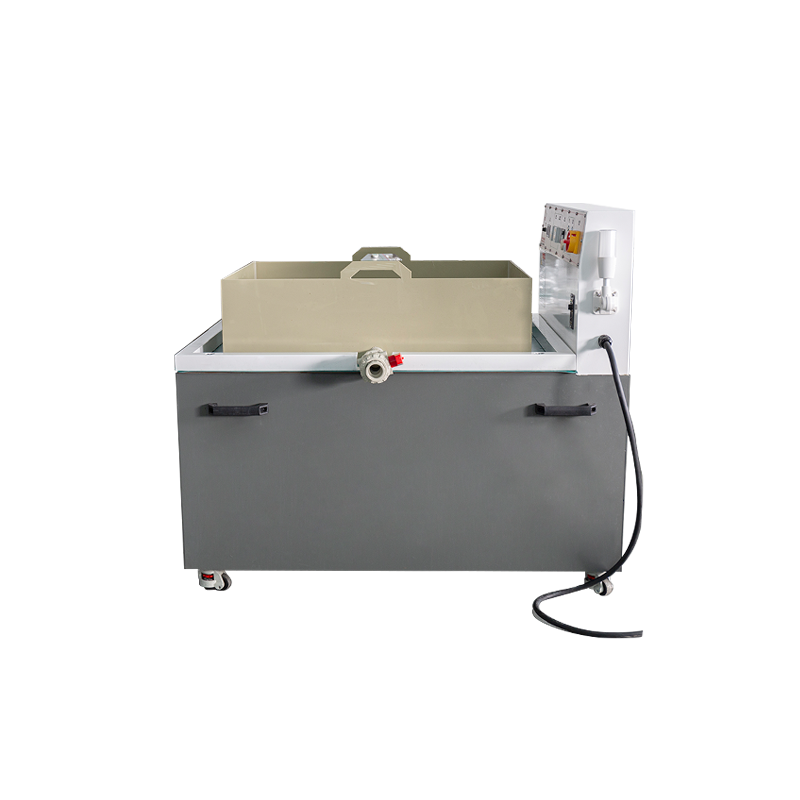
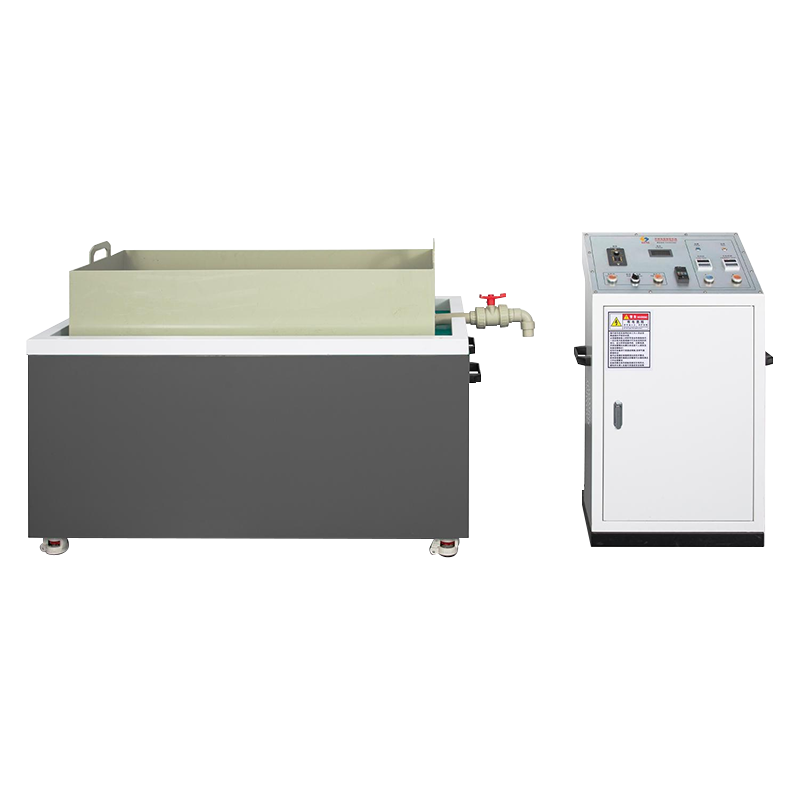
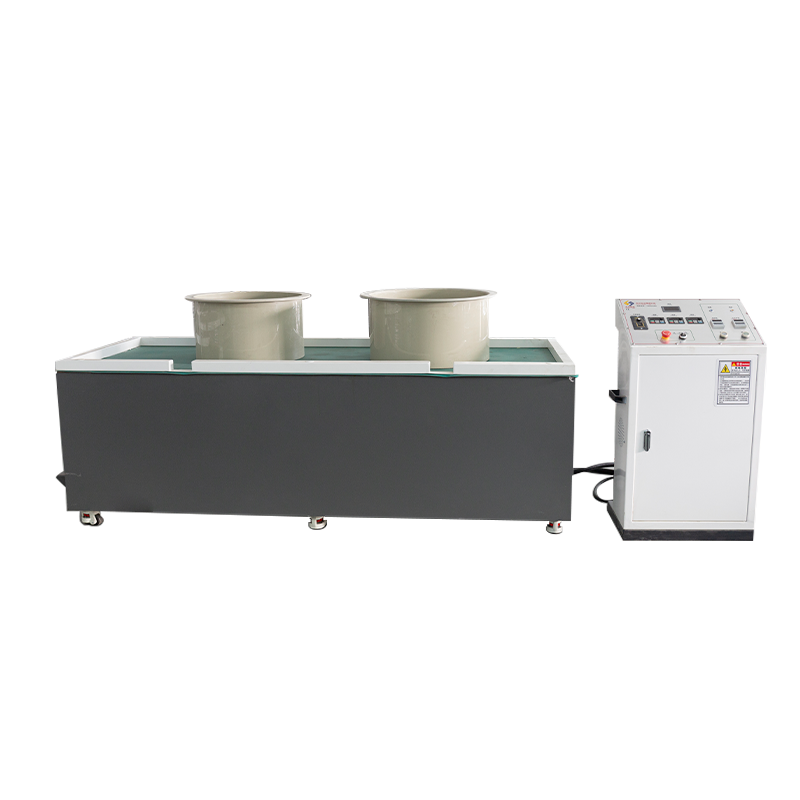
Specification
| Parameter | Typical Specification |
|---|---|
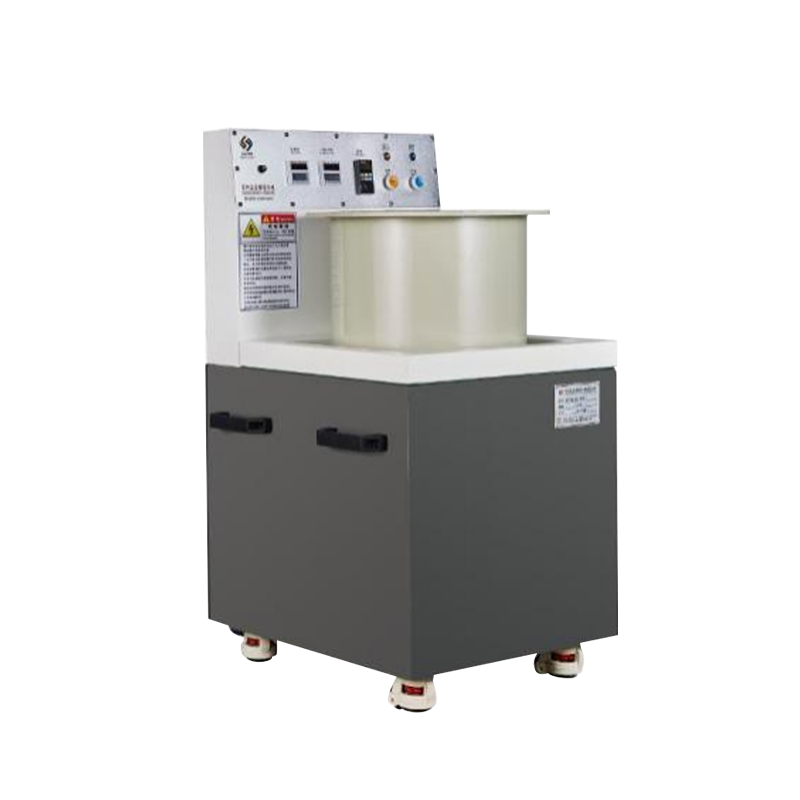
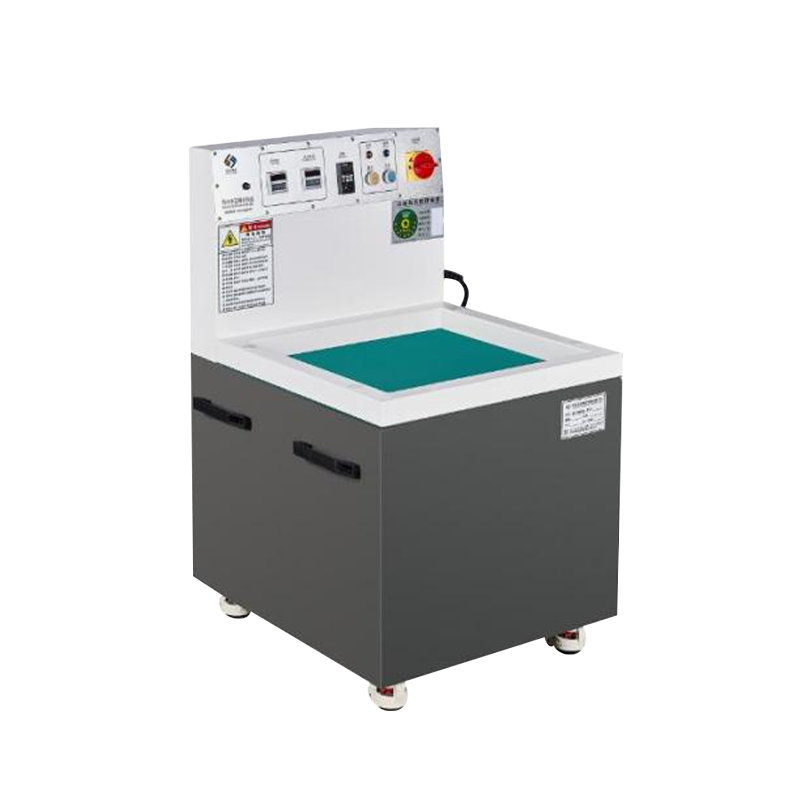
| Working principle | Rotating magnetic field drives stainless steel pins through the part surface |
| Pin material | SUS304 or SUS316 stainless steel |
| Pin diameter | 0.2 mm to 1.5 mm, selected by burr size and part geometry |
| Tank capacity | 2 L to 20 L depending on model |
| Rotation speed | Approx. 500 to 2800 rpm, stepless adjustment |
| Motor power | 0.4 kW to 1.5 kW depending on model |
| Power supply | 110 V / 220 V / 380 V, 50 / 60 Hz, customizable to destination market |
| Process time | Typically 10 to 60 minutes per batch |
| Process medium | Clean water with a deburring or polishing liquid |
| Control | Digital timer and speed control; forward / reverse rotation on selected models |
| Typical part size | 1 mm to 100 mm, depending on tank size |
| Recommended pin size for CNC parts | 0.3 mm to 1.0 mm |
| Material removal | Minimal, typically in the micron range |
| Suitable materials | Aluminum, stainless steel, titanium, brass, copper, tool steel |
Specifications are typical values. Models, tank size, voltage and options can be customized. Please contact us with your part details for a suggested configuration.
Application
CNC shops use magnetic deburring to finish parts that are difficult to reach with tools.
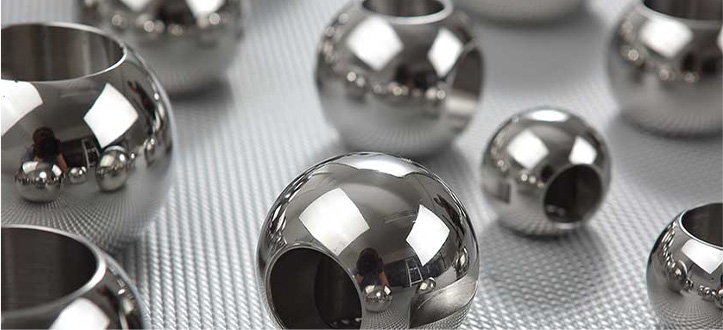
- Hydraulic and pneumatic components: clean cross holes and port intersections inside valve bodies.
- Turned parts and pins: remove burrs from grooves, chamfers and cut-off edges.
- Medical and dental screws: finish small threaded parts after machining.
- Electronic housings: clean milled edges and small tapped holes.
- Automotive prototypes and small series: deburr diverse parts without custom fixtures.
- Swiss-type machined parts: finish very small components in bulk.
Because no fixtures are required, mixed batches of different CNC parts can often be processed together after a short test.
Advantages
- Reaches hidden burrs: pins flow into cross holes and threads that tools cannot reach.
- Protects tolerances: gentle action with minimal material removal.
- Saves inspection time: consistent edges reduce rework and rejections.
- No custom fixtures: load parts loosely, set time and speed.
- Handles tough materials: works on titanium and stainless as well as soft aluminum.
- Cleaner parts: water-based process leaves parts free of dust and loose chips.
Comparison with Other Deburring Methods
| Factor | Magnetic Pin Deburring | Vibratory or Barrel Finishing | Manual Deburring |
|---|---|---|---|
| Access to small holes and slots | Excellent, fine pins enter micro features | Limited, media is often too large | Depends on operator and tools |
| Typical cycle time | 10 to 60 minutes per batch | Several hours per batch | Minutes per part, labour heavy |
| Consistency between batches | High, controlled by time and speed | Medium | Varies by operator |
| Risk of part-to-part damage | Low, parts are held in the pin bed | Higher, parts can collide | Scratches and over-removal possible |
| Labour requirement | Low, load and unload only | Low | High |
| Fit for CNC cross holes and threads | Reaches inner intersections | Limited inside small holes | Needs special tools per feature |
Buyers usually compare cycle time, access to small features, running cost and consistency. Send us a sample and we can show how the process performs on your own parts.