 en
 English
 中文简体
 Español
 русский
 Français
 عربى
 Deutsch
 Português
 日本語
 한국어
 italiano
Shengya
Shengya
Shengya
Shengya
Shengya
Shengya
Shengya
Shengya
Shengya
A magnetic deburring polishing machine is one of those tools that looks simple until you need to specify one. The basic idea is straightforward: metal parts go into a chamber with magnetic media and compound, a magnetic field moves the media, and the media works the edges and surfaces. The practical details are where experience matters.
At Suzhou Shengya Precision Machinery, we have spent more than 14 years building metal surface treatment equipment, including magnetic deburring and polishing systems for workshops, laboratories, and automated lines. This guide is written from that everyday shop-floor perspective. It explains what the process can do, where it fits, how to choose a machine, and what to expect after installation.
What the Machine Actually Does
A magnetic deburring polishing machine combines two jobs that are often handled separately: edge finishing and surface refinement. Small magnetic media, typically stainless steel pins, are driven by a rotating magnetic field. As the media moves through the chamber, it contacts the workpiece and helps remove light burrs, round sharp edges, and improve surface appearance. A liquid compound keeps the media and parts clean while supporting the cutting and polishing action.
This is not a heavy grinding process. It is best treated as a controlled finishing step for light to medium burrs, fine edges, and repeatable surface quality. If a part has large weld spatter, deep machining tears, or heavy flash, that stock usually needs to be reduced before magnetic finishing. Used in the right place, the process can save hand-finishing time and make results more consistent from batch to batch.
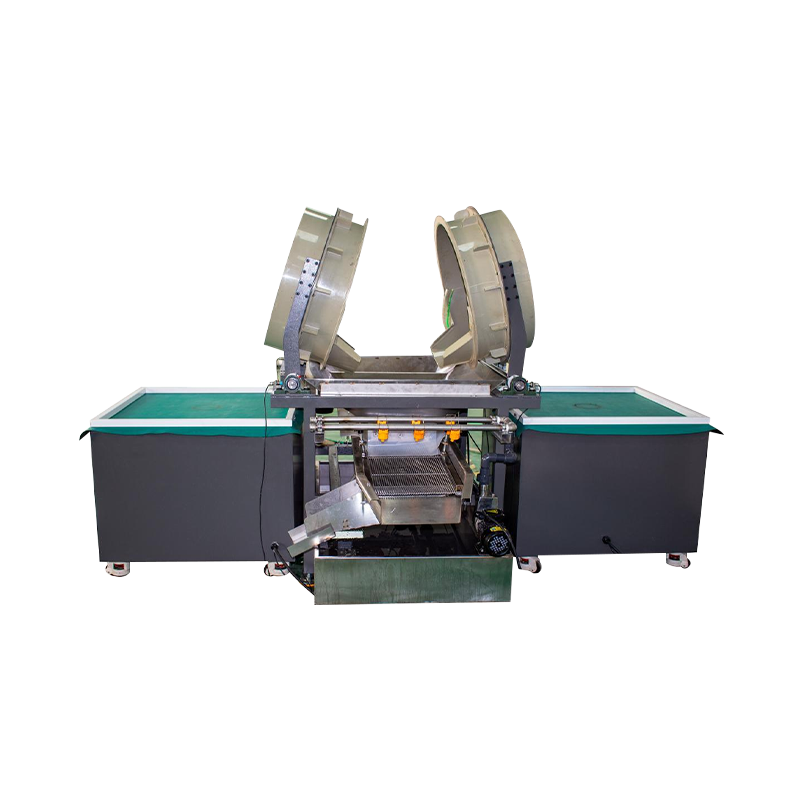
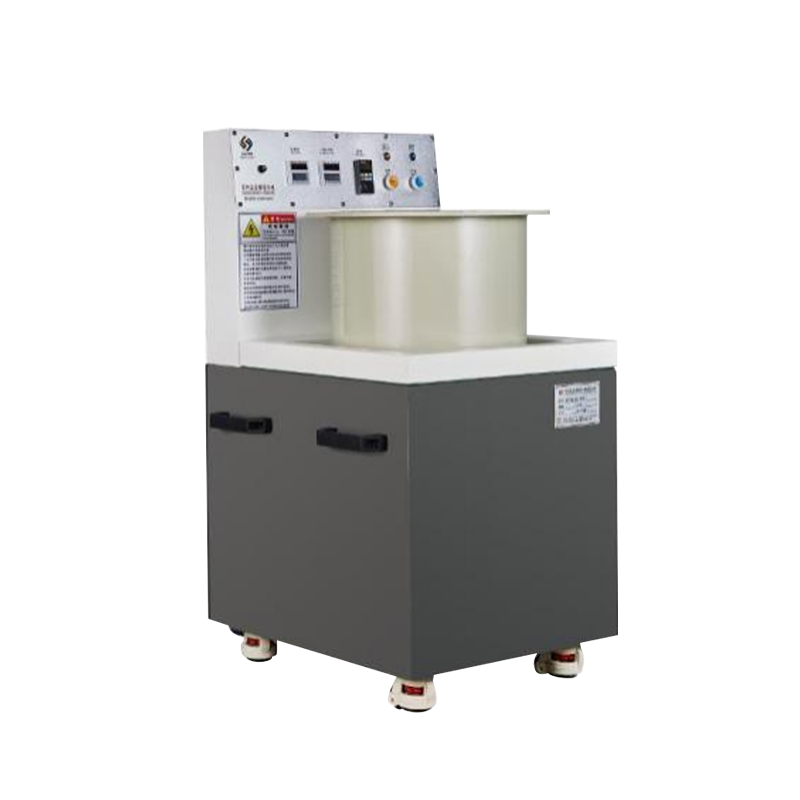
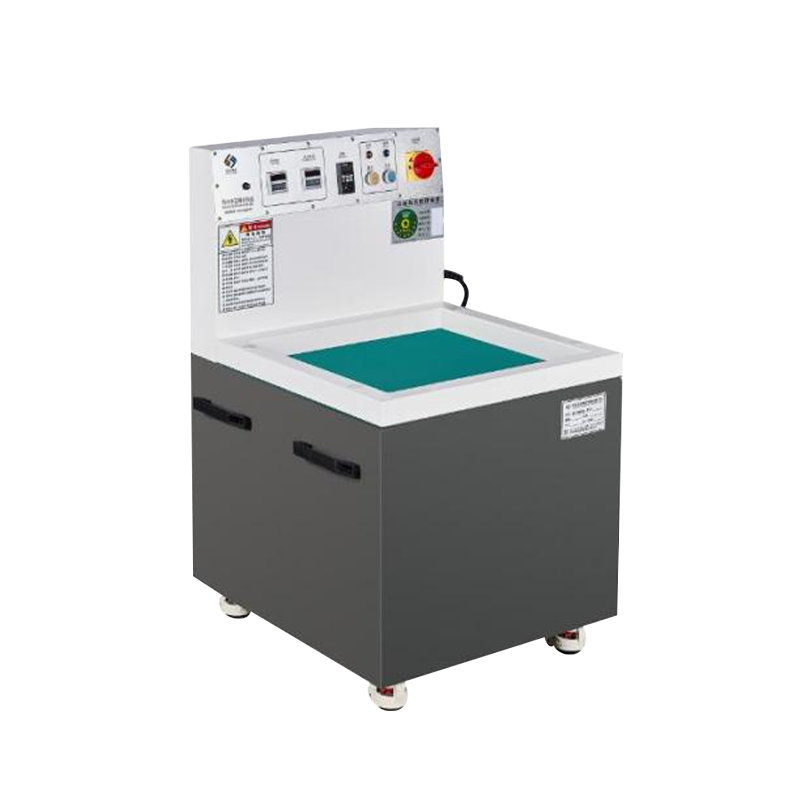
For standard industrial batches, the SY8120 is a useful reference point because it sits in the middle of a typical machine range. It is the kind of system a shop considers when parts are too large or too numerous for manual finishing but do not yet require a fully inline solution.
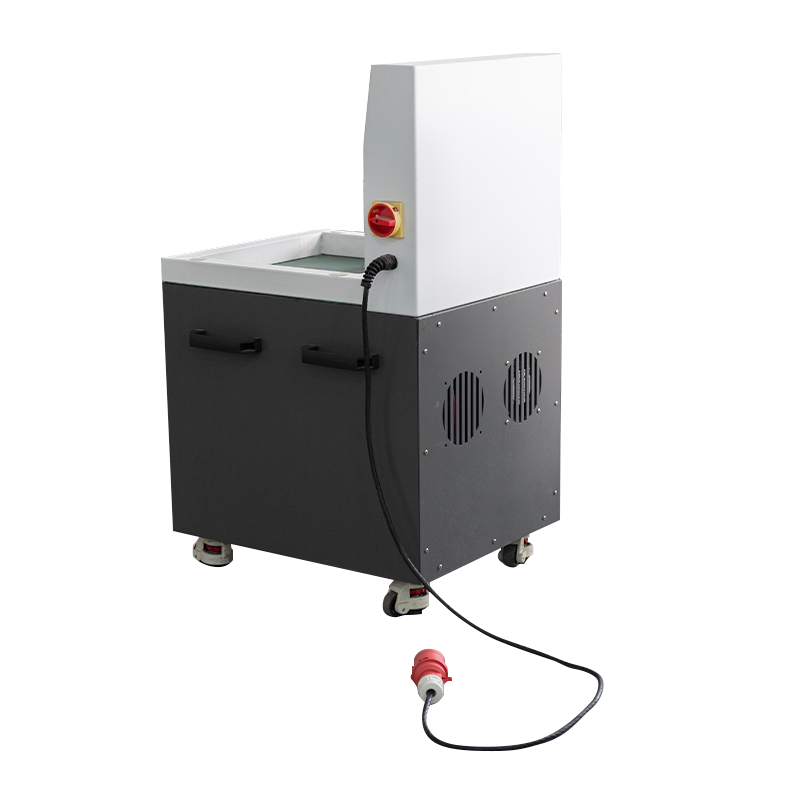 SY8120 Standard Industrial Magnetic Deburring and Polishing MachineA mid-range industrial batch system for parts too large or numerous for manual finishing but not requiring inline operation, with deep-hole deburring and polishing.View Product →
How the Magnetic Process Works
The workpiece is placed in a chamber or basket with magnetic media and a water-based compound. The machine generates a moving magnetic field, which causes the media to flow, tumble, and press against the part. Because the media is small, it can follow complex edges, recesses, and crossing holes that are difficult to reach with a hand tool. The compound helps flush away fine particles and keeps the process stable.
Results depend on several variables: media size and shape, compound concentration, cycle time, part loading, and the machine's magnetic drive. A shop that changes from one part family to another should expect to adjust the recipe. That is normal. A magnetic deburring polishing machine is most successful when the process is treated as a repeatable recipe, not as a one-setting machine.
If you want a deeper walkthrough of the mechanics and the selection points, our article on how the process works and how to choose a machine covers the basics in more detail.
Where It Fits in Production
The same process can look quite different depending on workload. A small research shop may run one basket of precision parts per day. A production plant may run several cycles per shift, with fixtures and media selected for a narrow family of workpieces. Common arrangements include:
- Laboratory and sample work, where small batches and careful control matter more than throughput.
- Standard industrial batches, where repeatability and moderate capacity are the main goals.
- Heavy or high-capacity work, where larger chambers and robust drives are needed.
- Long or wide parts, where bed length and part handling become important.
- Inline production, where parts move through a continuous or automated system.
- Post-finishing cleaning and cooling, where the process needs support equipment.
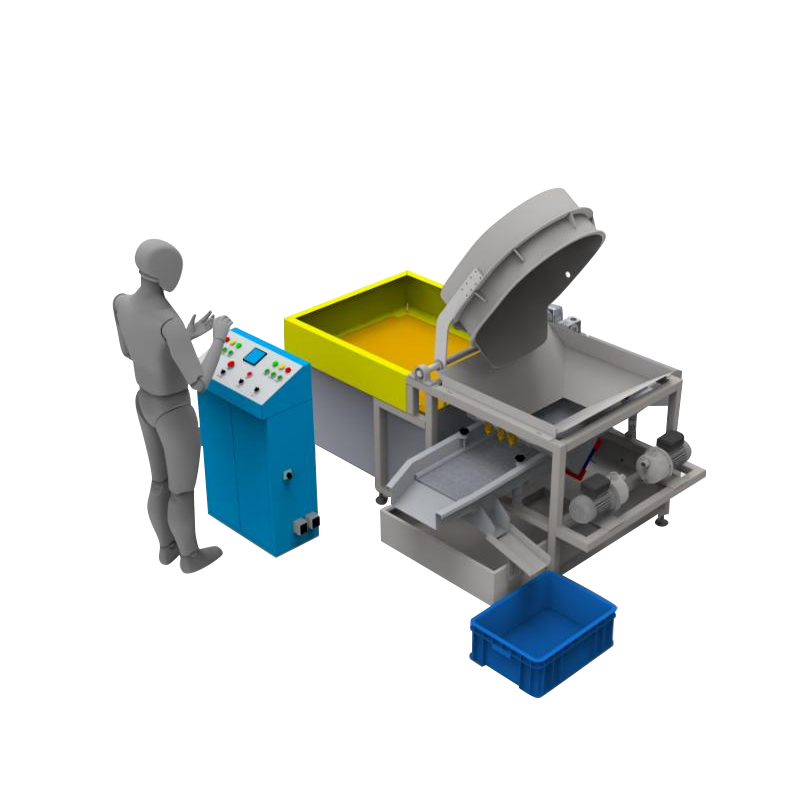
For laboratory work and small precision batches, the SY8080 lab-grade machine is designed around controlled cycles rather than maximum output. It is a practical starting point when engineers need to validate a finish or process a limited run without committing to a large production system.
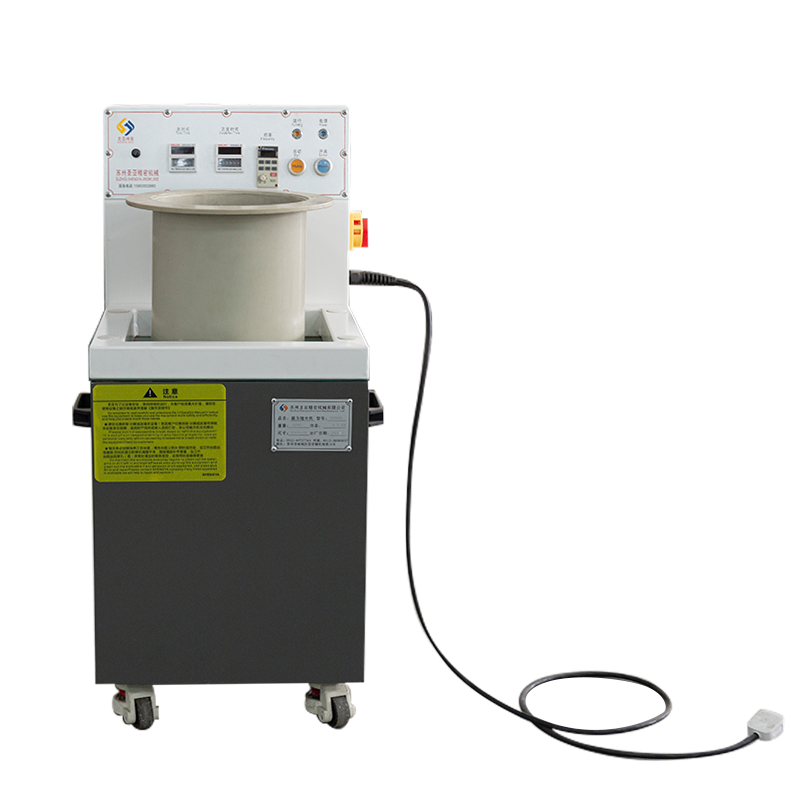 SY8080 Lab-Grade Precision Magnetic Deburring and Polishing MachineFor laboratory validation and small precision batches, this 0–10 kg system handles micro-component deburring, polishing, and cleaning with controlled cycles and rapid changeovers.View Product →
Selection Factors That Matter
Machine size is only one part of the decision. The most useful starting point is the part family: its material, size, burr condition, edge requirement, and the number of pieces per cycle. From there, the machine and media can be matched to the job instead of forcing the job to fit a standard catalog model.
| Selection point | What to clarify | Why it matters |
|---|---|---|
| Workpiece size | Length, width, height, and batch loading pattern | Determines chamber size, bed length, and handling method |
| Burr condition | Light, medium, or heavy burrs; location and access | Sets expectations for cycle time and whether pre-grinding is needed |
| Material | Steel, stainless steel, aluminum, copper, or mixed parts | Affects media choice, compound, and corrosion control |
| Finish target | Edge radius, surface smoothness, and visual appearance | Guides media size, cycle time, and machine configuration |
| Throughput | Parts per cycle, cycles per shift, and loading time | Points toward batch, heavy-duty, or inline equipment |
| Automation | Manual loading, robot handling, or continuous flow | Changes machine frame, controls, and integration requirements |
| Support equipment | Cleaning, cooling, and water circulation needs | Keeps the finishing step stable and reduces downstream problems |
A sample part test is still the most reliable way to confirm a recipe. Drawings and photos help, but actual cycle results show how the media reaches the edges and how the surface responds.
Standard, Custom, and Inline Options
As production volume rises, the machine format often changes. A standard batch machine may be enough for mixed work, while long parts may call for a horizontal reciprocating bed. Linear magnetic systems and continuous pass-through systems are useful when part handling or inline flow becomes the bottleneck. The right choice depends on whether the shop needs flexibility, higher capacity, or integration with an existing assembly line.
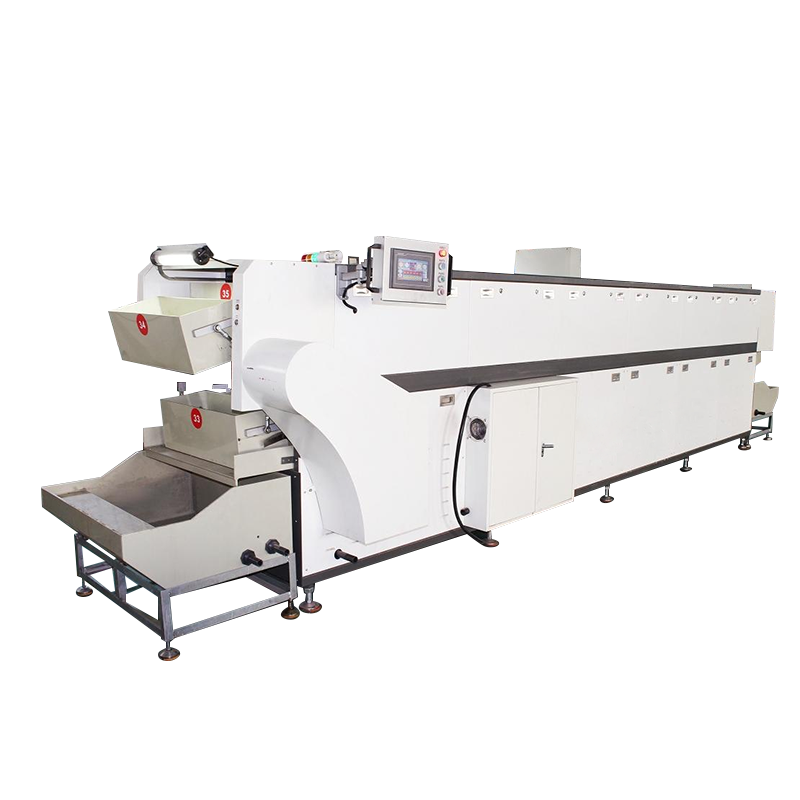
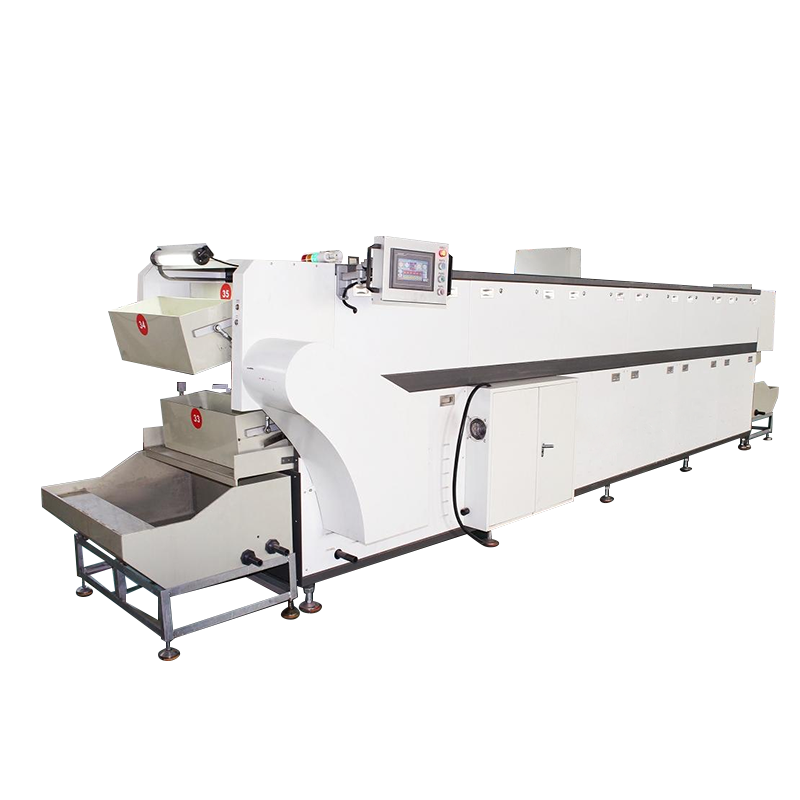
For continuous production, a pass-through magnetic deburring polishing machine can reduce manual handling and keep cycle times predictable. The SYP series is built for inline automatic operation, while dual-station and auto-tilt designs can improve throughput where loading and unloading take a large share of the cycle.
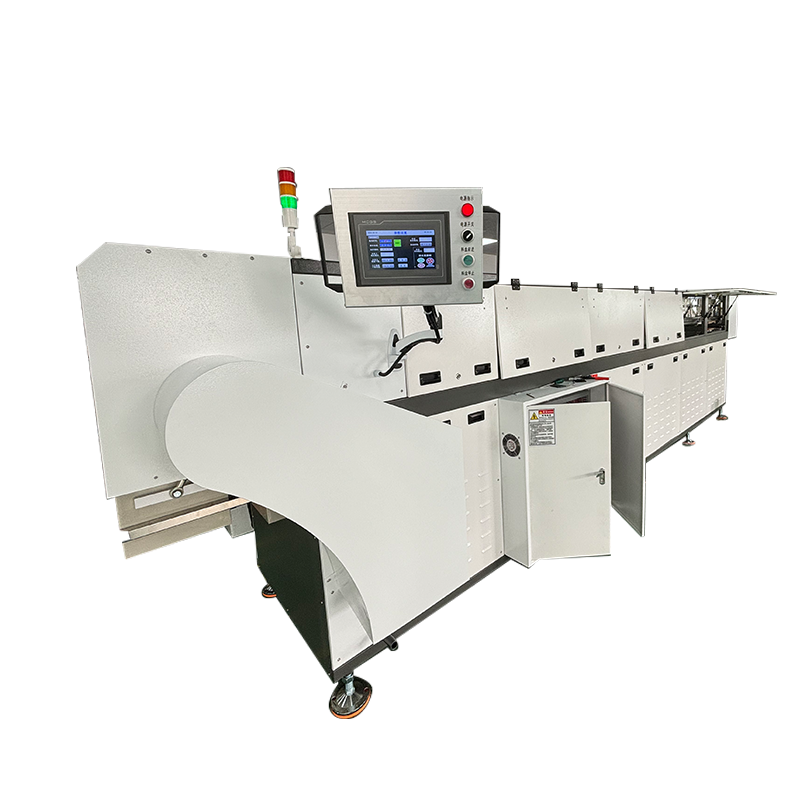 SY-P Series Continuous Pass-Through Magnetic Deburring and Polishing SystemInline tunnel system for continuous production, moving grinding boxes through a high-energy magnetic field to deliver consistent deburring, polishing, and cleaning with reduced manual handling.View Product →
Benefits and Honest Limits
The strongest reason to use magnetic finishing is consistency. Once a recipe is set, the machine applies the same action across the batch, including edges that are awkward to reach by hand. It can reduce labor, improve edge quality, and support a cleaner production flow when paired with proper cleaning and water treatment.
It also has limits. Very heavy burrs should be removed upstream. Parts with deep blind features or tightly packed bundles may need fixtures or a different media strategy. Some materials require corrosion protection soon after processing. A good equipment partner will say this clearly rather than promise a universal solution.
Setup, Consumables, and Maintenance
After installation, keep the process simple and documented. A basic routine usually includes:
- Record the approved recipe for each part family, including media, compound dose, cycle time, and load pattern.
- Check media condition regularly and top up or replace it before performance drops.
- Monitor compound concentration and keep the solution within the recommended range.
- Clean the chamber and separation area at planned intervals to avoid carryover.
- Inspect pumps, filters, and water circulation equipment as part of normal maintenance.
For shops that run polishing and cleaning together, a matched cleaning machine, chiller, or water circulation system can make the finishing cell more stable. These are support choices, not add-ons to buy by default; they should follow the actual process need.
Working With an Equipment Partner
The best machine is the one that fits your parts, your people, and your production rhythm. Before requesting a quote, gather sample parts, drawings, burr photos, target finish, batch size, and available floor space. Those details let an engineer recommend a realistic machine format and media strategy instead of guessing from a single dimension.
If you are comparing options for a magnetic deburring polishing machine, we are happy to review your application and explain what we would test first. You can talk with our team about samples, capacity, and automation needs.