 en
en English
 中文简体
中文简体 Español
 русский
 Français
 عربى
عربى Deutsch
 Português
 日本語
日本語 한국어
한국어 italiano
Shengya
Shengya
Shengya
Shengya
Shengya
Shengya
Shengya
Shengya
Shengya
When a shop takes on a part with a 3-meter extrusion, an internal cross-hole, or a batch of small precision components that must look identical under inspection, a standard off-the-shelf deburring polisher often hits a wall. The workpiece does not fit the bed, the motion is too aggressive for thin walls, or the throughput simply cannot match the takt time of a production line. That is exactly where a custom-made deburring polisher earns its place. A tailored machine is not a luxury. It is a way to remove the bottleneck, protect part quality, and reduce secondary handwork, provided you specify it with the right information.
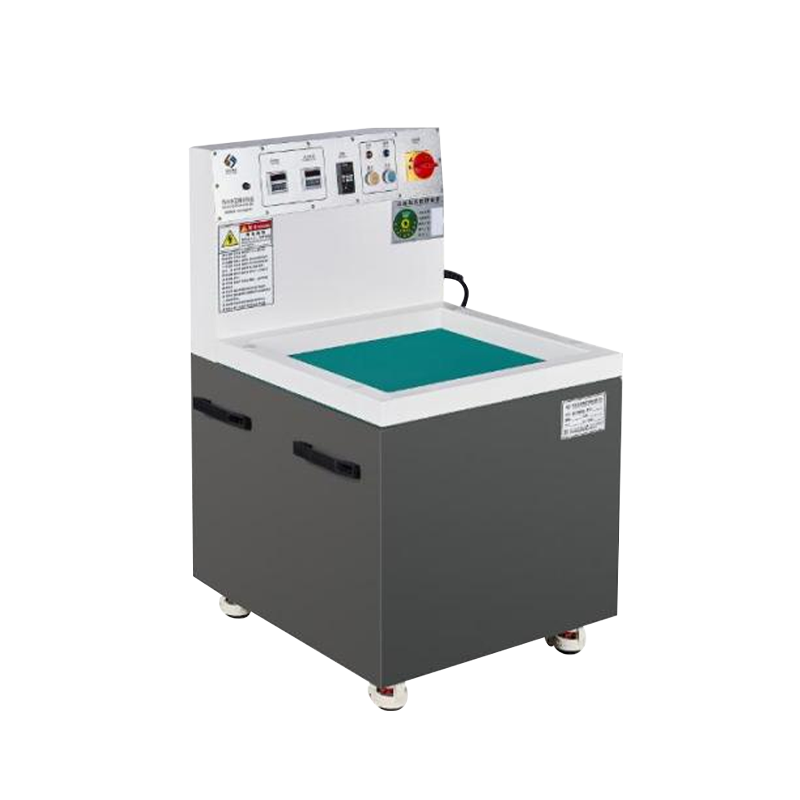
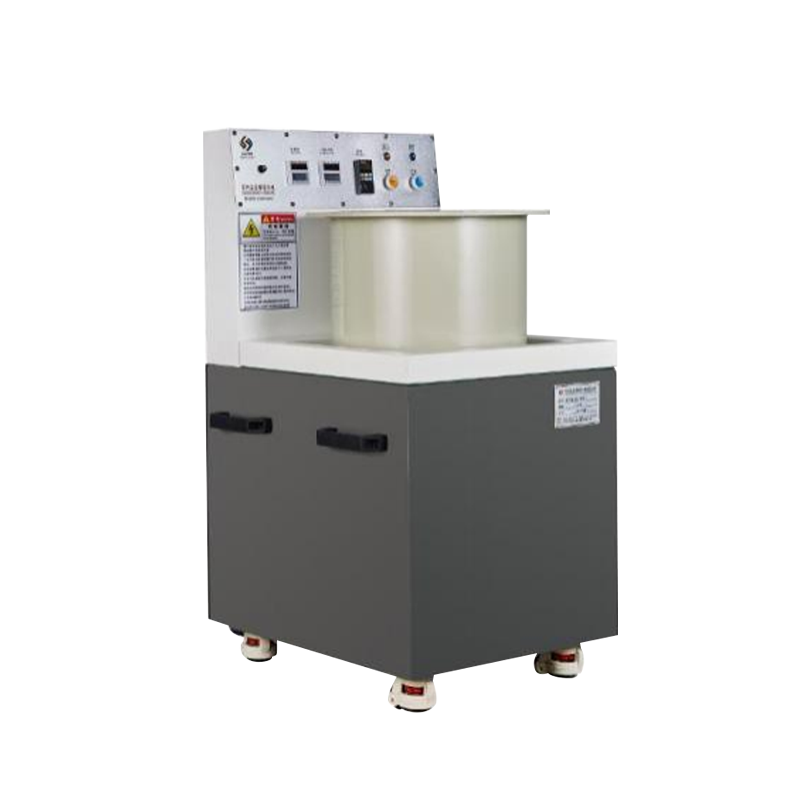
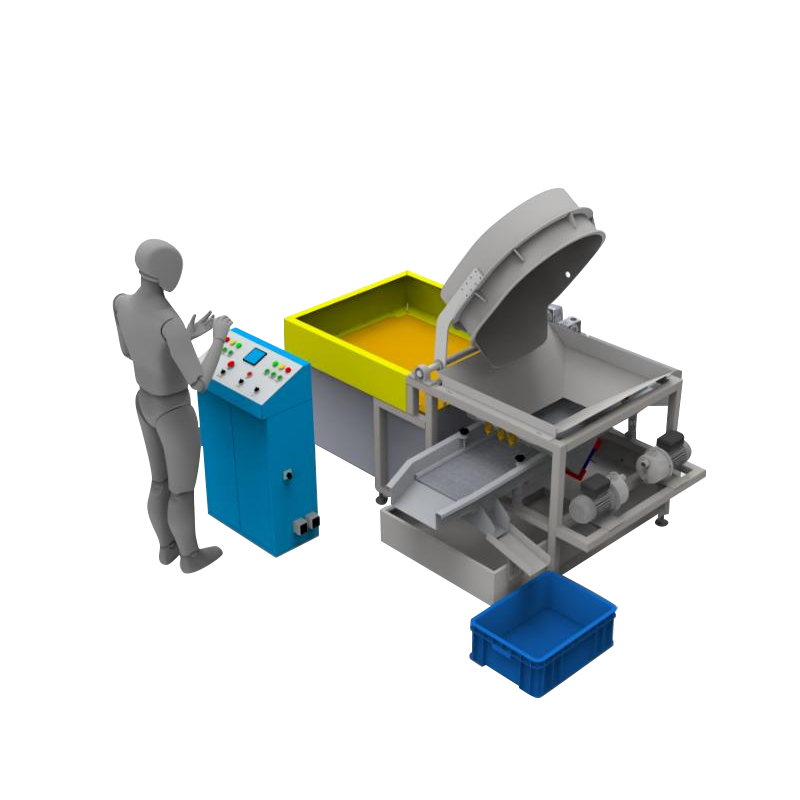 Tailored Magnetic Deburring Polishing Machine for Custom Production NeedsA custom-built magnetic deburring polisher is engineered around your specific part family and floor plan, addressing size, material, and burr conditions that standard machines cannot handle. It eliminates bottlenecks and reduces manual finishing while ensuring stable, measurable quality.View Product →
Why a custom design beats a standard listing
Standard machines are built for the median part. They work well when your components fall inside a predictable envelope in size, material, and burr condition. But real production data tells a different story. A custom-made deburring polisher is designed around your actual part family, your current floor plan, and your quality engineers’ acceptance criteria. The consequence is a machine that processes the part, not the other way around.
When you define the workpiece envelope first, the machine builder can choose the correct bed length, drive system, and magnetic field density. For example, a long bed with a horizontal reciprocating motion handles a 1.5-meter strip without multiple passes. A dual-station tilting fixture lets one operator load while the other station finishes. In both cases, the design starts from a measurable need rather than a catalog page.
In many cases, the extra cost of a custom build is offset by the labor it saves. If a standard machine forces an operator to hand-finish edges with a die grinder, the custom machine removes that step completely. When you calculate the cost of that handwork over a year, including scrap and rework, a tailored design often pays for itself in less than eighteen months.
Key design inputs that determine success
Before a manufacturer quotes a custom machine, they need three categories of information. The more precise you are, the less you will pay for over-engineering and the faster you will reach a stable process.
Part geometry and material
Send a representative set of parts, not just a clean CAD drawing. Burrs behave differently on hardened steel, aluminum castings, and sintered components. Some burrs are thin and stringy, others are thick and attached to a heat-affected zone. A custom machine must provide the right magnetic abrasive media speed and clearance. If you have a long, thin shaft, a through-feed motion may not work; a reciprocating bed with support rollers is often better.
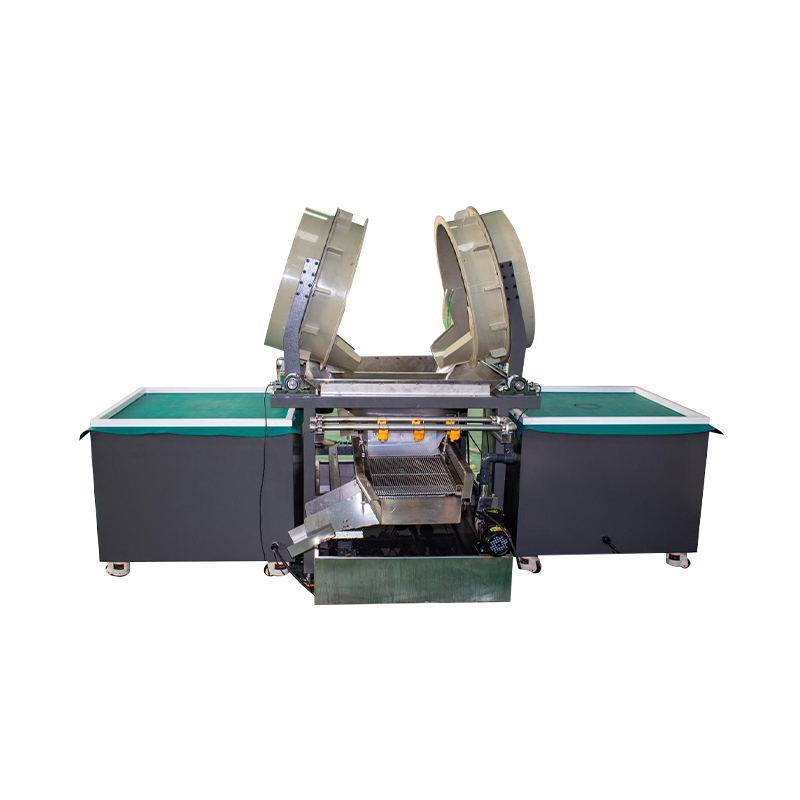
Linear Magnetic Deburring Polisher for Consistent Internal Feature FinishingThis linear magnetic polisher combines flipping and translation to uniformly finish internal features like cross-holes and blind cavities, minimizing shadow zones and rework. It consolidates deburring, surface refinement, and cleaning into one controllable process for improved consistency and line balancing.View Product →
Volume and cycle time
Define your target output per shift, not just the total annual volume. One shop we serve needed to deburr 10,000 small stainless steel parts per day. A single standard machine could not meet that cycle time without excessive media wear. A dual-station auto-tilt design keeps the operator out of the process, lifting throughput without adding headcount. If your product line runs continuously, an inline passthrough machine may be the only way to stay in sync.
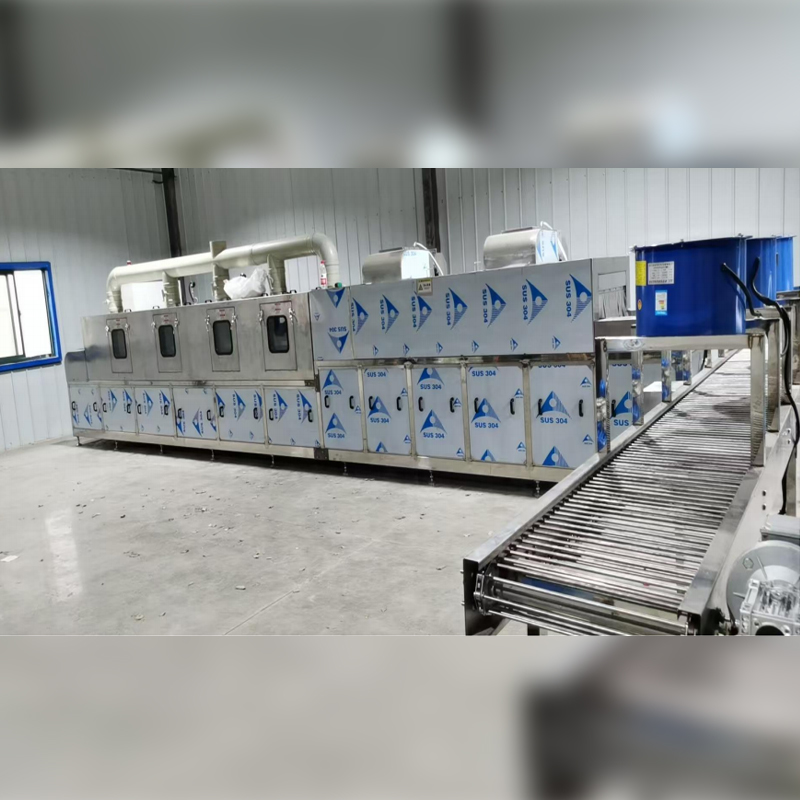
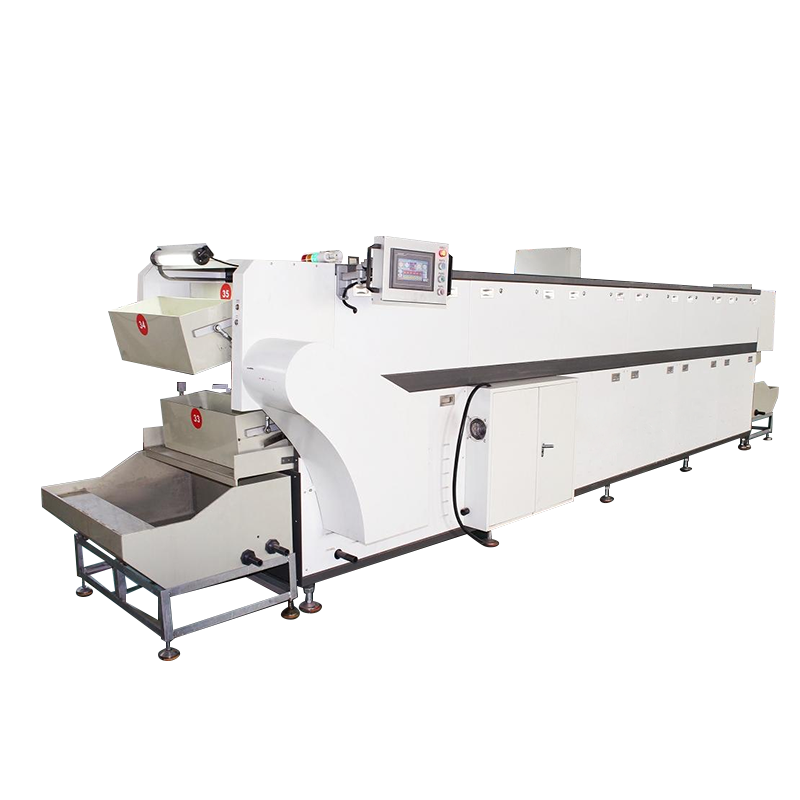 Continuous Pass-Through Magnetic Deburring Polisher for High-Volume FlowA pass-through magnetic polisher moves parts continuously through the magnetic field, integrating deburring, polishing, and cleaning into a streamlined flow. It reduces reliance on manual labor, minimizes WIP, and turns surface quality and takt time into controllable parameters for stable output.View Product →
Finish and edge quality
Ask your customer what they measure. Is it a Ra value, a visible scratch line, a rounded edge radius, or freedom from micro-burrs? A custom design can tune the rotation speed, polarity, chamber shape, and media size to hit that target. But you must communicate the tolerance. A “nice finish” means nothing to an engineer. A supplier that asks for these details before quoting is worth working with; one that does not is guessing.
Standard vs. custom equipment: a practical comparison
If you buy a standard machine and find yourself modifying fixtures or running parts twice, the nominal savings disappear. A custom machine costs more up front, but it can pay down the line. Here is how the two compare in everyday production.
| Consideration | Standard machine | Custom machine |
|---|---|---|
| Part envelope | Fixed bed and tank size | Designed around your longest part |
| Motion pattern | One or two preset motions | Reciprocating, tilting, or passthrough as needed |
| Cycle time | May require multiple passes | Optimized for your cycle target |
| Investment | Lower purchase price | Higher up-front cost, lower labor per part |
| Lead time | Ships from stock or short build | Engineering time plus production build |
The real question is how you value floor space, labor, and part consistency. If your parts vary widely every month, a standard machine keeps things simple. If you have a stable, high-volume family, custom is usually worth the engineering effort.
Applications that benefit from tailored machines
Custom designs show up everywhere a standard machine is forced into a corner. A few common patterns:
- Long extruded profiles that need a 2 to 6 meter magnetic field.
- Precision small batches where the operator must protect thin walls or delicate dimensions.
- Automated assembly lines where deburring must run inline with no operator touch.
- Mixed-material production where the same machine must handle both soft aluminum and hardened steel.
Each of these cases pushes the design in a different direction. A long part asks for a longer bed and multiple drives. A small batch asks for easy media changeover and gentle power. An inline process asks for a passthrough design that keeps up with the conveyor.
How to work with a manufacturer on a custom design
Start with the part itself. Send actual samples, not only drawings. State the burr location, the current defect rate, and the target cycle time. A good supplier will ask for three things: a representative batch, your tolerance on surface roughness, and your planned fixture layout. If the supplier can demonstrate a layout and a cycle estimate, they understand the process.
Agree on the acceptance test before the build. For a custom machine, the factory acceptance test should use your parts, your media, and your operators. The goal is to hand over a process, not just a machine.
If you need help translating your part requirements into a machine specification, contact our engineering team with a few photos, the dimensions, and the desired output. We will tell you honestly whether a standard model will do the job or whether a custom design is worth the investment.
Maintenance and long-term considerations
A custom machine is not a throwaway purchase. It should be serviceable with standard electrical components, accessible doors for media changes, and bearings that can be replaced without dismantling the entire frame. When you review a custom proposal, look at the wear items: the sealing, the drive belts, and the magnetic block insulation. Ask the builder for a recommended spare parts list and a mean time between failures estimate on those components.
Because the machine is built around your part, operators will run it differently. Include a training session on machine presets, media grading, and cleaning cycles. The more consistency you build into the recipe, the fewer variables your operators have to manage, and the longer the machine stays within tolerance.
Custom does not mean one-off. A well-designed custom platform can be reused for the next part family if you keep the core bed and drive structure standard and only change the fixtures. Ask the manufacturer to point out which parts of the design can be adapted later. A good warranty on the magnetic block and drive assembly is not a substitute for a service plan, but it shows confidence.
When a standard catalog machine forces you to leave money on the table, a custom-made deburring polisher is a direct answer. The decision does not come from a desire for exotic machinery. It comes from the measurable gap between your parts and the machine envelope. Narrow that gap with clear specifications, a proven test, and a manufacturer that stands behind the build. That is how you turn a deburring process from a bottleneck into a competitive edge.