 en
en English
 中文简体
中文简体 Español
 русский
 Français
 عربى
عربى Deutsch
 Português
 日本語
日本語 한국어
한국어 italiano
Shengya
Shengya
Shengya
Shengya
Shengya
Shengya
Shengya
Shengya
Shengya
What Industrial Water Treatment Equipment Actually Does
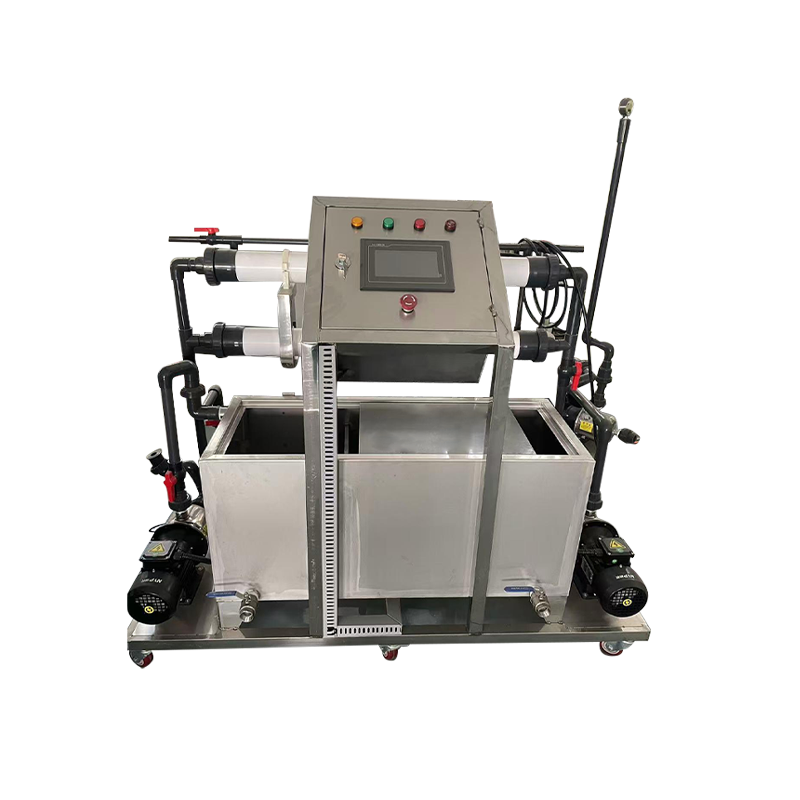
Industrial water treatment equipment covers all the machinery, filters, and chemical dosing systems that clean, condition, or recycle water used in manufacturing, power generation, food processing, and other heavy-use facilities. Unlike municipal water treatment, which focuses on making water safe to drink, industrial systems are built to handle specific problems like scaling, corrosion, bacterial growth, and contamination from oils, metals, or process chemicals. The right setup protects boilers, cooling towers, and production lines from damage while keeping a facility compliant with discharge regulations.
Choosing equipment isn't a one-size-fits-all decision. A food processing plant needs different filtration than a metal finishing shop, and a power plant's boiler feedwater requirements look nothing like a textile mill's wastewater needs. Understanding what each piece of equipment does is the first step toward building a system that actually solves your water problems instead of just moving them downstream.
Common Types of Industrial Water Treatment Equipment
Most industrial facilities rely on a combination of equipment rather than a single machine. Here are the categories you'll run into most often:
Filtration and Separation Equipment
- Multimedia filters that remove suspended solids using layered sand, gravel, and anthracite
- Cartridge and bag filters for fine particulate removal down to 1 micron or smaller
- Oil-water separators for facilities dealing with lubricants, coolants, or petroleum byproducts
- Clarifiers that use gravity settling to separate solids before further treatment
Membrane and Reverse Osmosis Systems
Reverse osmosis (RO) equipment pushes water through a semi-permeable membrane under pressure, stripping out dissolved salts, minerals, and organic compounds. This is the backbone of boiler feedwater treatment and ultrapure water production for electronics and pharmaceutical manufacturing. Ultrafiltration and nanofiltration systems sit between standard filtration and RO, offering a middle ground for facilities that need higher purity without the full cost of a reverse osmosis setup.
Water Softeners and Ion Exchange Units
Hard water causes scale buildup in pipes, boilers, and heat exchangers, which reduces efficiency and shortens equipment life. Ion exchange softeners swap calcium and magnesium ions for sodium ions, while demineralizers strip out nearly all dissolved ions for applications that need extremely pure water, such as steam generation or semiconductor rinsing.
Chemical Dosing and Disinfection Systems
Chemical feed pumps inject corrosion inhibitors, biocides, and pH adjusters into process water to prevent scaling and microbial growth. UV disinfection units and ozone generators offer chemical-free alternatives for killing bacteria and pathogens, which many facilities now prefer to reduce chemical handling and disposal costs.
How to Match Equipment to Your Facility's Needs
Before buying anything, get a full water analysis done. This means testing for hardness, total dissolved solids, pH, turbidity, and any contaminants specific to your industry, like heavy metals or organic solvents. Skipping this step is the number one reason facilities end up with undersized or mismatched equipment that fails within a year or two.
Once you know what's in your water, think through these practical questions:
- What volume of water does your facility process daily, and does that volume fluctuate seasonally?
- Is the water being treated for intake use, process use, wastewater discharge, or all three?
- What local or federal discharge regulations apply to your industry and location?
- Do you have space and staff to manage chemical storage, or would a low-maintenance system fit better?
- Is there room to scale the system up if production grows in the next five years?
Comparing Equipment Options at a Glance
The table below breaks down common equipment types by primary function, typical use case, and relative maintenance demand to help narrow down what fits your operation.
| Equipment Type | Primary Function | Typical Use Case | Maintenance Level |
| Multimedia Filter | Removes suspended solids | Pre-treatment for RO or cooling systems | Low to Moderate |
| Reverse Osmosis Unit | Removes dissolved salts and organics | Boiler feedwater, ultrapure water | Moderate to High |
| Ion Exchange Softener | Reduces hardness | Boiler protection, steam systems | Moderate |
| Oil-Water Separator | Separates oils from process water | Metalworking, automotive plants | Low |
| UV Disinfection System | Kills bacteria and pathogens | Food and beverage, pharmaceuticals | Low |
Keeping Your Equipment Running Efficiently
Even well-designed industrial water treatment equipment loses efficiency without regular upkeep. Membranes foul, filters clog, and sensors drift out of calibration over time. Building a maintenance schedule around your equipment's actual usage, rather than a generic calendar, prevents small issues from turning into costly shutdowns.
Practical Maintenance Habits That Pay Off
- Check differential pressure across filters weekly to catch clogging before flow drops
- Clean or replace RO membranes based on manufacturer-recommended fouling indexes, not just a fixed timeline
- Log chemical dosing rates daily to catch pump drift or miscalibration early
- Test water quality at multiple points in the system, not just at the final output
- Keep spare parts like seals, cartridges, and sensors on hand to avoid extended downtime during repairs
Understanding the Real Cost of Ownership
The purchase price of industrial water treatment equipment is only part of the picture. Energy consumption, chemical usage, membrane replacement, labor for monitoring, and disposal of waste streams all add up over the equipment's lifespan. A cheaper system with high ongoing chemical costs can end up more expensive within three to five years than a pricier system with lower operating demands.
When comparing quotes from suppliers, ask for total cost of ownership estimates that include energy draw, expected consumable replacement intervals, and typical service call frequency. This gives a far more accurate picture than sticker price alone, and it helps avoid budget surprises down the line.
Signs It's Time to Upgrade Your System
Equipment doesn't usually fail all at once. It tends to send warning signs first. Rising energy bills tied to pumps working harder, more frequent filter changes, inconsistent water quality readings, or repeated compliance violations are all indicators that your current setup is struggling to keep up with demand. Facilities that expanded production without reassessing their water treatment capacity often find their equipment quietly became the bottleneck limiting output.
If your team is spending more time troubleshooting than operating, or if repair costs over the past year are approaching a significant chunk of what a replacement system would cost, it's worth getting a professional assessment. Modern equipment often includes smarter monitoring and automation that reduces the day-to-day labor burden while improving consistency, which can offset the upfront investment faster than expected.