 en
en English
 中文简体
中文简体 Español
 русский
 Français
 عربى
عربى Deutsch
 Português
 日本語
日本語 한국어
한국어 italiano
Shengya
Shengya
Shengya
Shengya
Shengya
Shengya
Shengya
Shengya
Shengya
What Is a Custom-made Deburring Polisher and Why Standard Machines Fall Short?
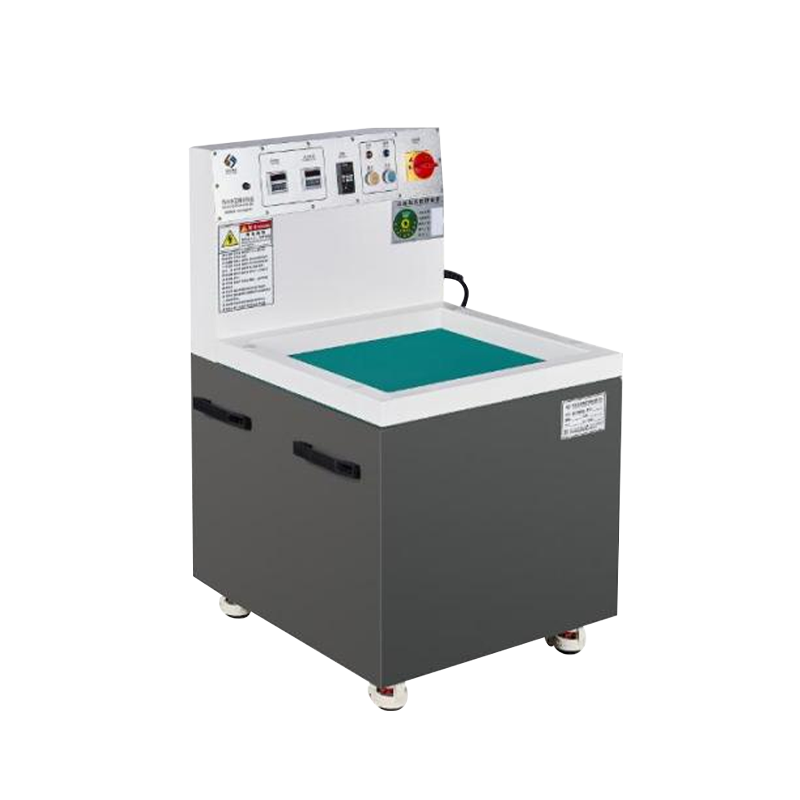
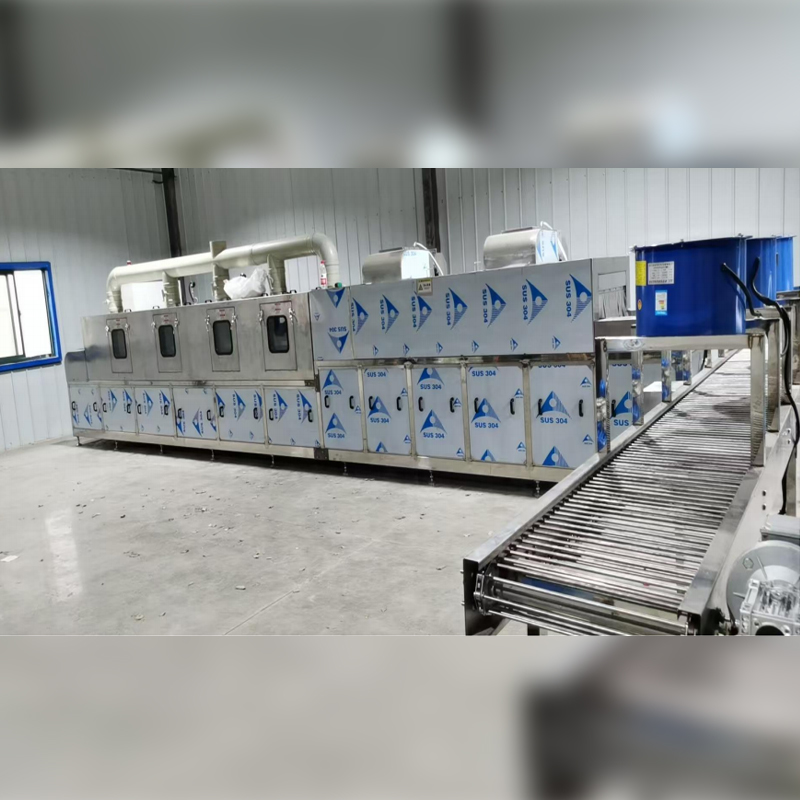
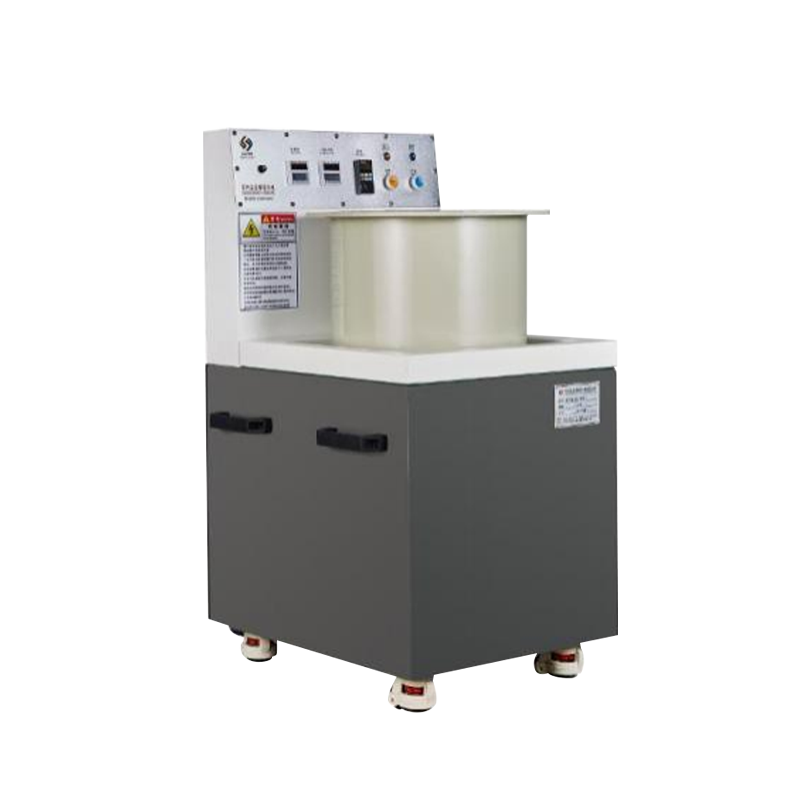
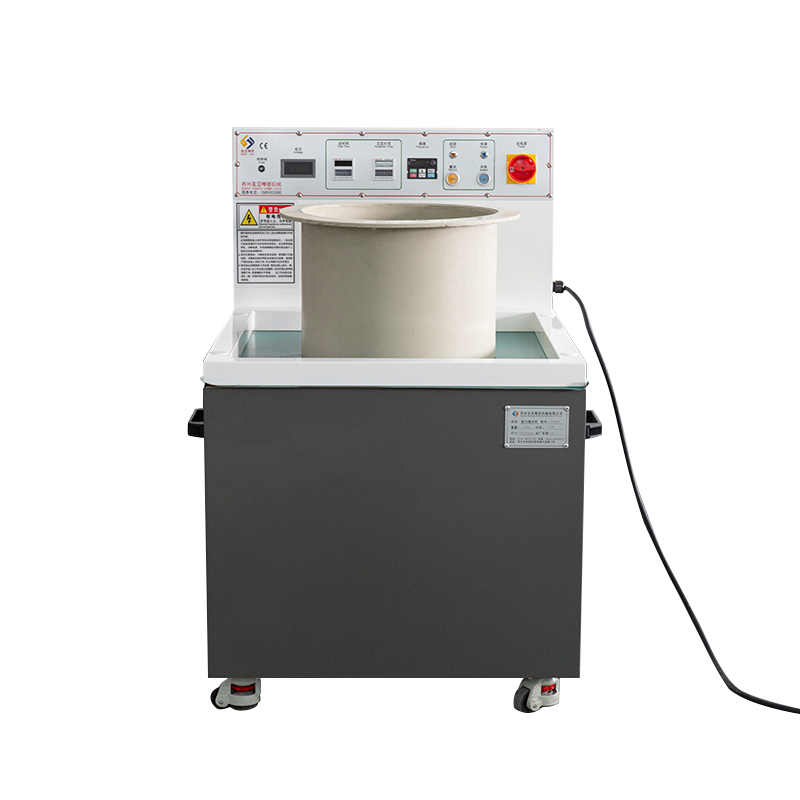
A custom-made deburring polisher is a purpose-built machine engineered to remove burrs, sharp edges, and surface imperfections from metal or plastic parts according to a manufacturer's specific production requirements, rather than relying on a generic off-the-shelf machine. Standard deburring and polishing equipment often struggles with unusual part geometries, tight tolerances, or high-mix production environments, which is where a custom-made deburring polisher becomes valuable. By designing the machine around the exact part dimensions, material type, and production volume of a specific operation, manufacturers can achieve more consistent finishing results while reducing cycle times and manual labor.
These custom systems are typically built around specific tooling configurations, brush or belt types, and automation levels tailored to the parts being processed. Whether a company needs to deburr small precision components or polish large fabricated assemblies, a custom-made deburring polisher can be engineered to handle the exact demands of that production line, something a standard machine often can't match.
Key Design Elements of a Custom-made Deburring Polisher
Building an effective custom-made deburring polisher requires careful consideration of several design elements that directly affect finishing quality and production efficiency.
- Tooling configuration: Brushes, belts, wheels, or abrasive discs are selected and arranged based on the specific burr type and part geometry being processed.
- Part fixturing: Custom fixtures hold parts securely and consistently, ensuring uniform contact with the finishing media across every unit.
- Feed and indexing system: Determines how parts move through the machine, whether through manual loading, conveyor feeding, or robotic handling.
- Speed and pressure controls: Adjustable settings allow the machine to match finishing intensity to the specific material hardness and desired surface outcome.
- Dust and debris collection: Integrated extraction systems capture metal filings, dust, and polishing debris to maintain a clean, safe working environment.
Custom-made Deburring Polisher vs. Standard Deburring Equipment
Manufacturers often weigh the benefits of investing in a custom-made deburring polisher against purchasing standard, off-the-shelf equipment. The table below outlines the key differences.
| Feature | Custom-made Deburring Polisher | Standard Deburring Machine |
| Fit for complex part geometry | Excellent, built around specific parts | Limited, general-purpose design |
| Production efficiency | Higher, optimized for specific workflow | Moderate, may require manual adjustments |
| Initial investment | Higher upfront cost | Lower upfront cost |
| Flexibility for future parts | Limited unless designed with adjustability | Generally more adaptable to varied parts |
| Lead time | Longer, requires design and engineering | Shorter, ready to purchase and install |
Industries That Benefit From Custom-made Deburring Polishers
Because production needs vary so widely across industries, custom-made deburring polishers are especially valuable in sectors where precision and consistency are critical.
- Aerospace manufacturing: Requires precise, repeatable deburring on components where surface imperfections could affect safety or performance.
- Medical device production: Demands smooth, burr-free finishes on parts that will contact the human body or require sterile handling.
- Automotive component manufacturing: Handles high-volume parts that need consistent finishing across large production runs.
- Metal fabrication shops: Processes custom or irregularly shaped parts that don't fit standard machine configurations.
- Electronics and precision instrument manufacturing: Finishes small, delicate components requiring careful handling and precise tolerances.
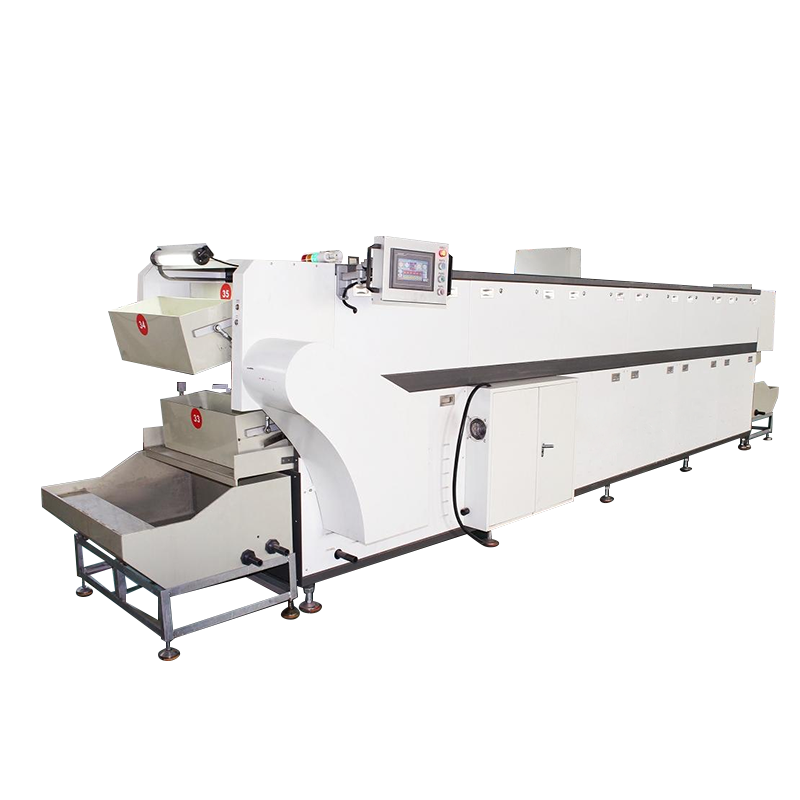
How to Approach Designing a Custom-made Deburring Polisher
Working with a manufacturer to design a custom-made deburring polisher involves clearly defining several key requirements upfront.
Define Part Specifications and Materials
Provide detailed information about part dimensions, material composition, and burr characteristics so the machine builder can select appropriate tooling and finishing methods.
Establish Production Volume Requirements
Clarify expected throughput needs, since this determines whether the machine should include manual loading stations or fully automated feed systems.
Set Surface Finish Standards
Define the required surface finish specifications, such as roughness average targets, so the machine's tooling and process parameters can be calibrated to consistently meet quality standards.
Maintenance Considerations for Custom-made Deburring Polishers
Because custom-made deburring polishers are often built around specialized components, maintenance planning should be addressed during the design phase to avoid future downtime.
- Confirm availability and lead times for replacement brushes, belts, or abrasive media specific to the machine's custom tooling.
- Establish a routine inspection schedule for fixtures, motors, and drive components to catch wear before it affects finishing quality.
- Keep detailed documentation of custom settings and configurations to simplify troubleshooting and operator training over time.
- Work with the original equipment builder to establish a service relationship for specialized repairs or future modifications.
Investing the time upfront to clearly define requirements and plan for long-term maintenance helps ensure a custom-made deburring polisher continues delivering consistent, high-quality finishing results throughout its operational life.