 en
en English
 中文简体
中文简体 Español
 русский
 Français
 عربى
عربى Deutsch
 Português
 日本語
日本語 한국어
한국어 italiano
Shengya
Shengya
Shengya
Shengya
Shengya
Shengya
Shengya
Shengya
Shengya
If you've ever handled a metal part fresh off a stamping press or CNC machine, you know the problem: sharp burrs, rough edges, and uneven surfaces that make the part unsafe to handle and unfit for assembly. A linear magnetic deburring polishing machine is one of the most efficient tools built to solve exactly this problem. It uses magnetic fields combined with fine steel media to strip away burrs and polish surfaces in a single continuous pass, without the manual labor and inconsistency that comes with hand finishing.
This article breaks down what a linear magnetic deburring polishing machine actually does, how the technology works, what industries rely on it, and how to decide if it's the right investment for your production line.
What Is a Linear Magnetic Deburring Polishing Machine
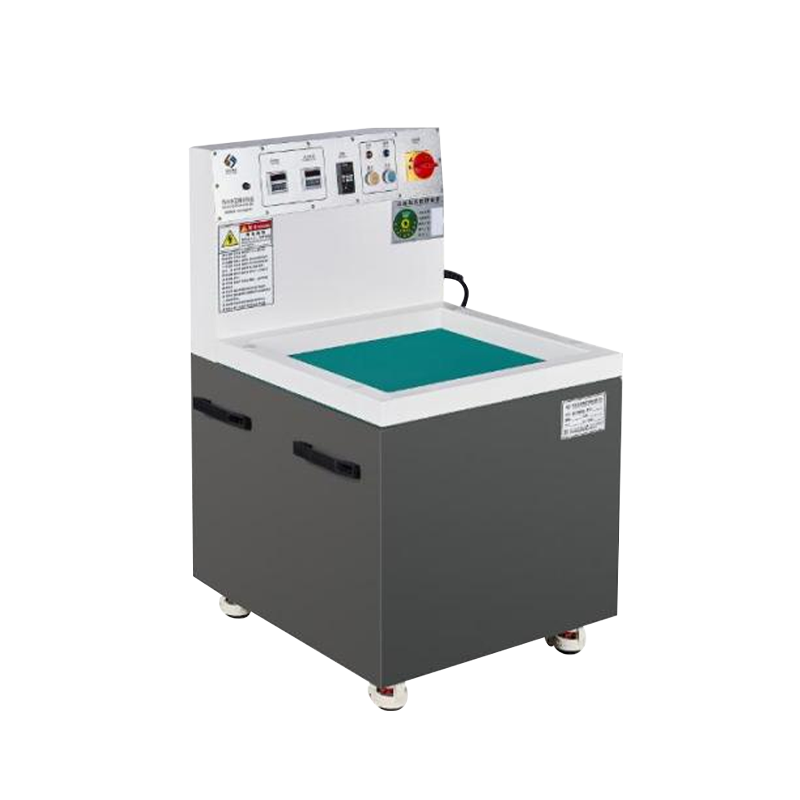
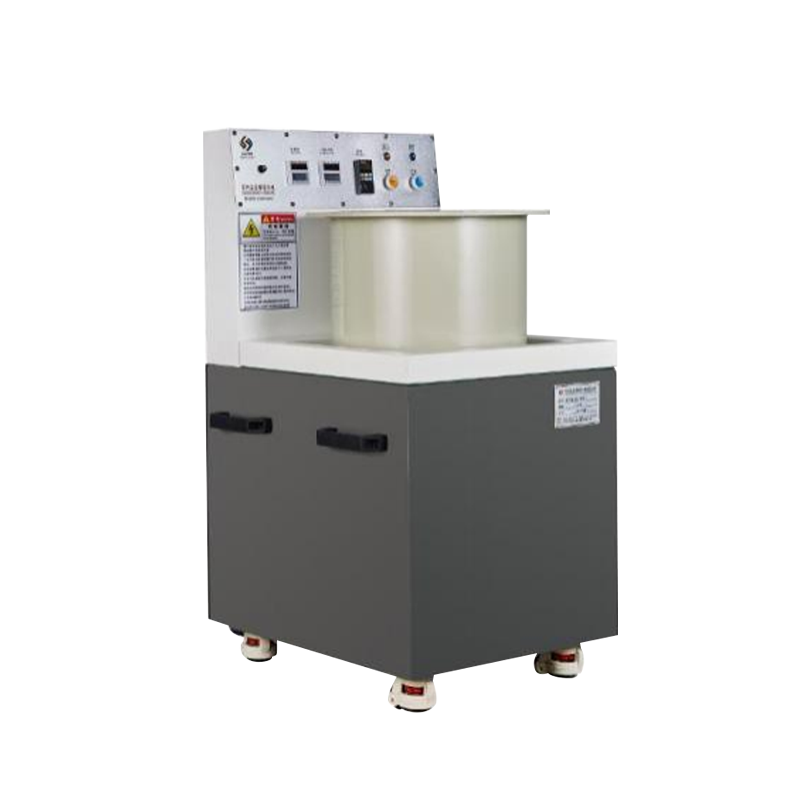
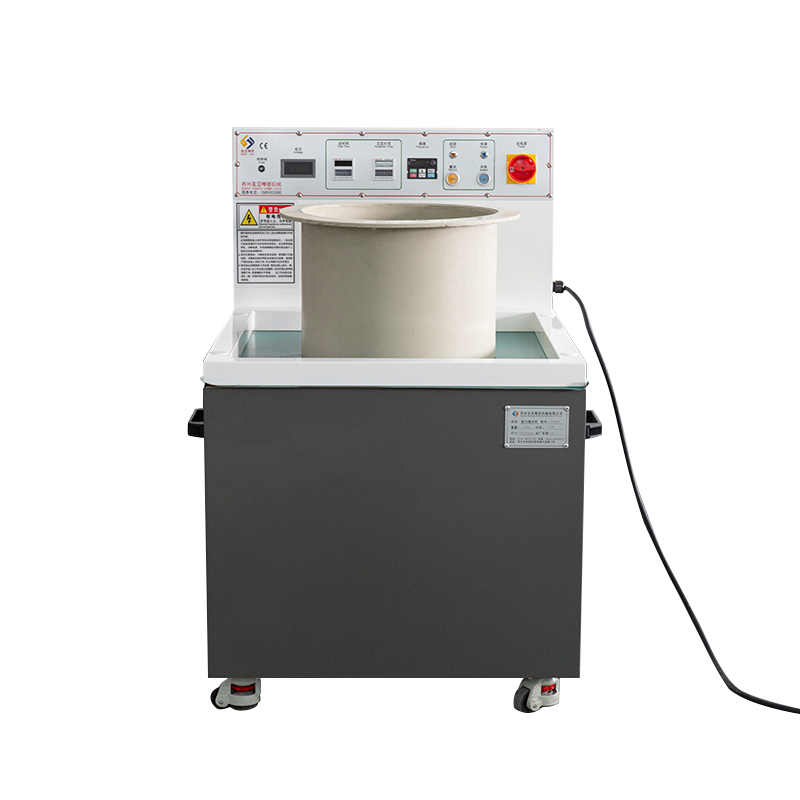
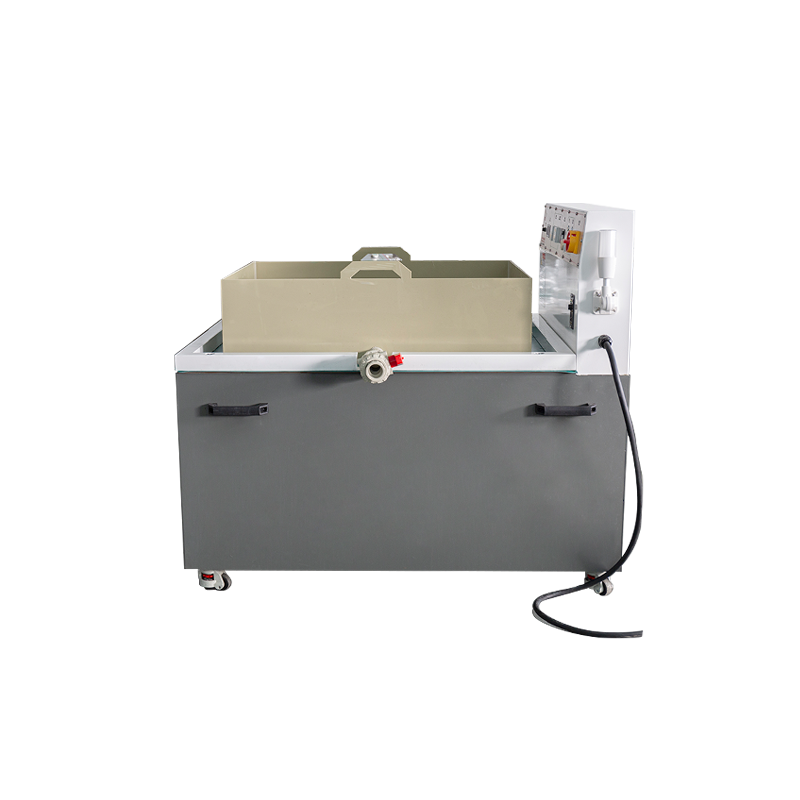
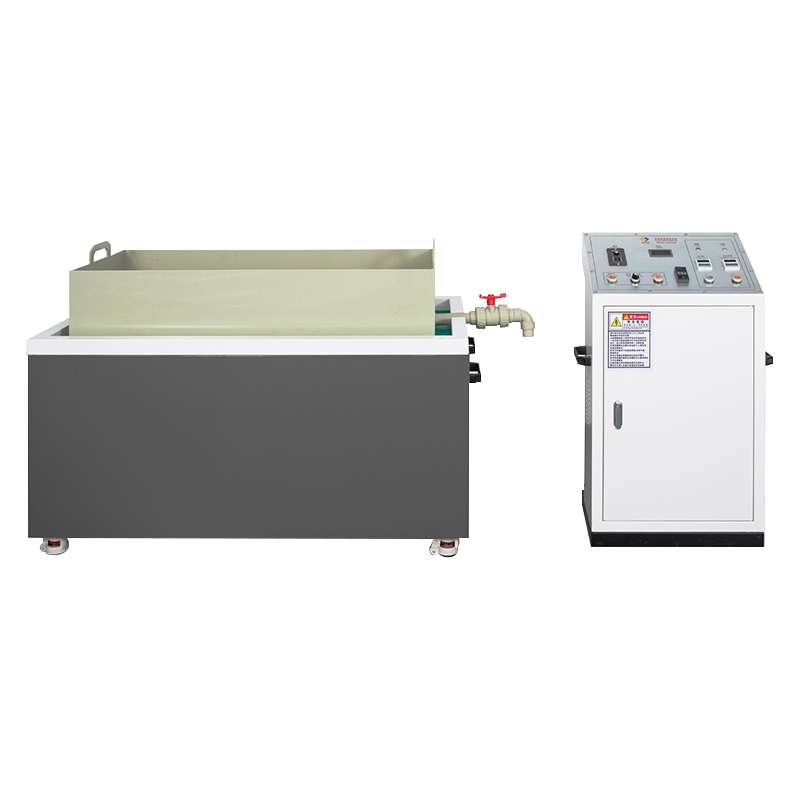
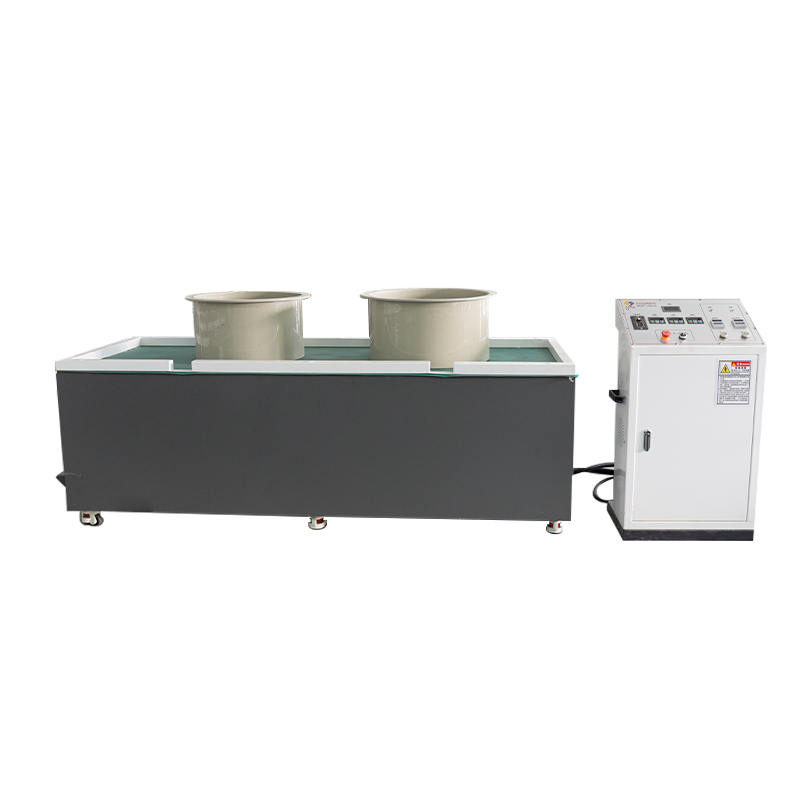
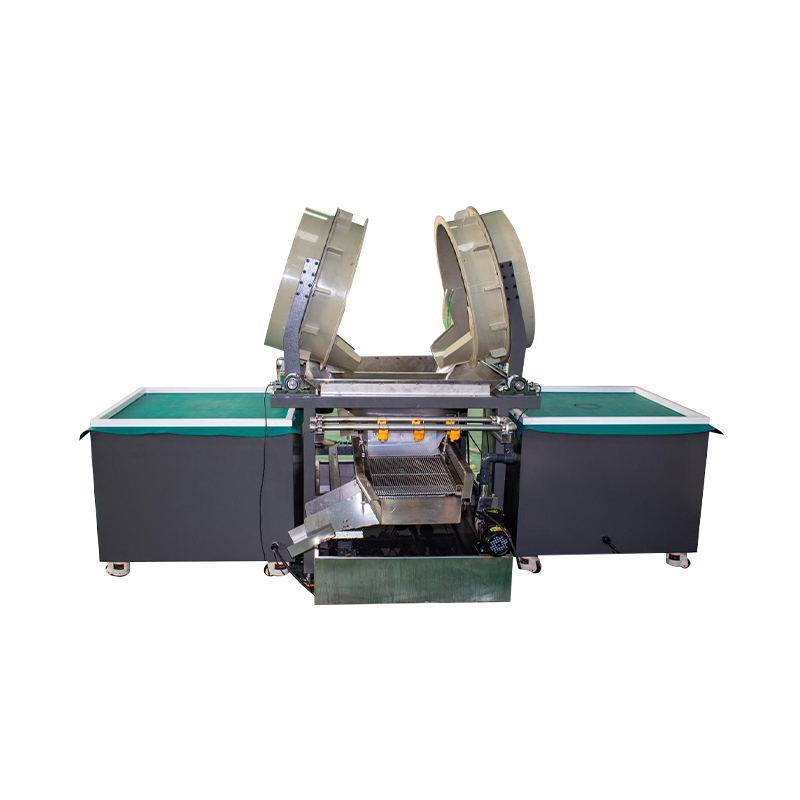
A linear magnetic deburring polishing machine is an industrial finishing system that uses a moving magnetic field to drive small abrasive steel pins or needles across the surface of a workpiece. As parts pass through the machine on a conveyor belt, the rotating magnetic field beneath the belt causes the steel media inside the working chamber to spin and vibrate at high speed. This constant agitation scrubs against every edge, hole, slot, and surface of the part, removing burrs, cleaning oxide layers, and producing a smooth, polished finish.
Unlike traditional tumbling or vibratory finishing, which can take hours and still miss tight corners or internal holes, the linear magnetic system reaches areas that are otherwise very difficult to access. This makes it especially valuable for small, complex, or delicate parts that would be damaged by more aggressive mechanical finishing methods.
How the Deburring and Polishing Process Works
The working principle behind a linear magnetic deburring polishing machine is fairly straightforward once you understand the core components. A conveyor belt carries parts through a tunnel-shaped working area. Below and around this tunnel, magnetic rollers or a linear magnetic track generate a continuously shifting magnetic field. Fine steel needles or pins, which are mildly magnetized, respond to this field by moving rapidly across the part's surface.
Key Stages of the Process
- Loading: Parts are placed on the conveyor belt, either manually or through an automatic feeder.
- Magnetic activation: The magnetic field is switched on, causing the steel media to vibrate and rotate at high frequency.
- Deburring and polishing: As parts move through the tunnel, the media scrubs burrs, sharp edges, and oxide scale from every exposed surface, including holes and slots.
- Drying and collection: Parts exit the machine clean, deburred, and often ready for the next production step without additional handling.
Because the whole cycle typically takes only seconds to a few minutes depending on part size and material, this process is far faster than manual deburring or standard tumbling media finishing.
Why Manufacturers Choose Linear Magnetic Finishing Over Other Methods
There are several deburring and polishing technologies on the market, including vibratory tumblers, centrifugal barrel finishers, and manual grinding stations. A linear magnetic deburring polishing machine stands out for a specific set of reasons that matter most when precision and speed are priorities.
| Method | Processing Time | Reaches Internal Holes | Risk of Part Damage |
| Linear Magnetic Deburring Polishing Machine | Seconds to a few minutes | Yes | Low |
| Vibratory Tumbling | Hours | Limited | Moderate |
| Manual Grinding | Minutes per part | No | High |
| Centrifugal Barrel Finishing | 30–60 minutes | Limited | Moderate |
As the table shows, the linear magnetic deburring polishing machine offers a clear advantage in both speed and access to hard-to-reach areas, which is why it has become a standard piece of equipment in precision manufacturing.
Industries and Parts Best Suited for This Technology
Not every part needs magnetic finishing, but for small, intricate, or high-value components, it is often the best available option. Industries that commonly rely on linear magnetic deburring polishing machines include electronics, medical device manufacturing, jewelry, watchmaking, firearms components, and precision hardware production.
Typical Parts Processed
- Small stamped metal brackets and connectors
- Surgical and dental instruments
- Watch cases, bands, and jewelry components
- Electronic connector pins and small enclosures
- Fasteners, springs, and precision-machined hardware
These parts share a common trait: they are small, often have complex geometries, and require a consistent, scratch-free finish. The gentle but thorough action of magnetic media makes it possible to clean and polish these components without altering their dimensions or damaging delicate features.
Choosing the Right Linear Magnetic Deburring Polishing Machine
Selecting the right machine depends on your part size, production volume, and finishing goals. Machines vary in belt width, magnetic strength, and chamber length, all of which affect throughput and finish quality. Before purchasing, it helps to evaluate a few practical factors.
Factors to Evaluate
- Part dimensions and weight, since oversized or overly heavy parts may not move properly through the magnetic field
- Required production speed and whether the machine supports continuous or batch processing
- Media type and size, since finer needles produce a smoother finish while coarser media removes burrs faster
- Available floor space and integration with existing conveyor or automation systems
- After-sales support, spare parts availability, and machine warranty terms
Working with a supplier who can run a sample test using your actual parts is one of the best ways to confirm the machine will meet your finishing requirements before committing to a purchase.
Maintenance Tips to Keep the Machine Running Efficiently
Like any piece of production equipment, a linear magnetic deburring polishing machine performs best with regular upkeep. Proper maintenance not only extends the life of the machine but also keeps the finish quality consistent batch after batch.
- Clean the working chamber regularly to remove metal dust and debris buildup
- Inspect and replace worn steel needles or media as needed to maintain finishing quality
- Check the conveyor belt for wear and proper alignment to avoid part jams
- Verify magnetic roller function periodically, since weak magnetism reduces cleaning efficiency
- Keep a log of maintenance and part throughput to catch performance drops early
With routine care, most linear magnetic deburring polishing machines can run reliably for years, making them a durable and cost-effective addition to any finishing line.
Final Thoughts
A linear magnetic deburring polishing machine offers a fast, consistent, and gentle way to remove burrs and polish small precision parts that would otherwise require slow manual work or aggressive tumbling. By understanding how the technology works, which parts benefit most, and how to maintain the equipment properly, manufacturers can significantly improve both product quality and production efficiency.