 en
en English
 中文简体
中文简体 Español
 русский
 Français
 عربى
عربى Deutsch
 Português
 日本語
日本語 한국어
한국어 italiano
Shengya
Shengya
Shengya
Shengya
Shengya
Shengya
Shengya
Shengya
Shengya
What Is a Pass-Through Magnetic Deburring Polisher?
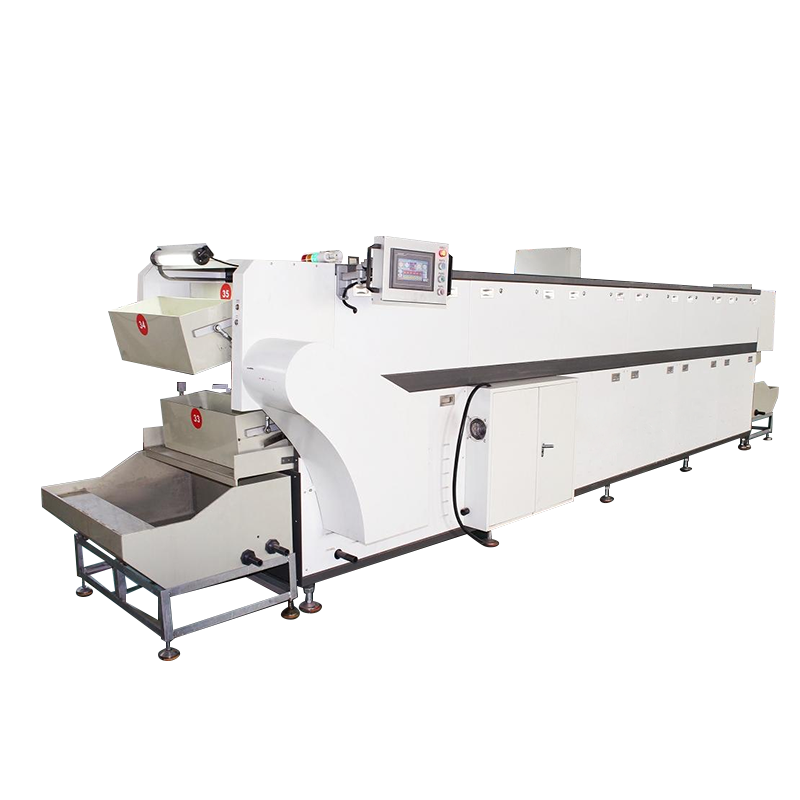
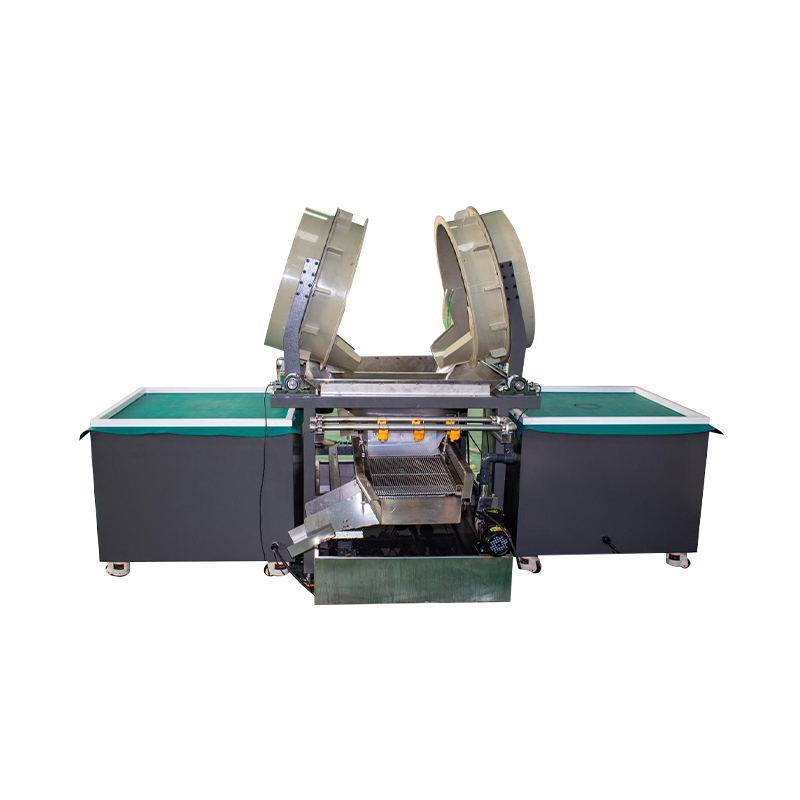
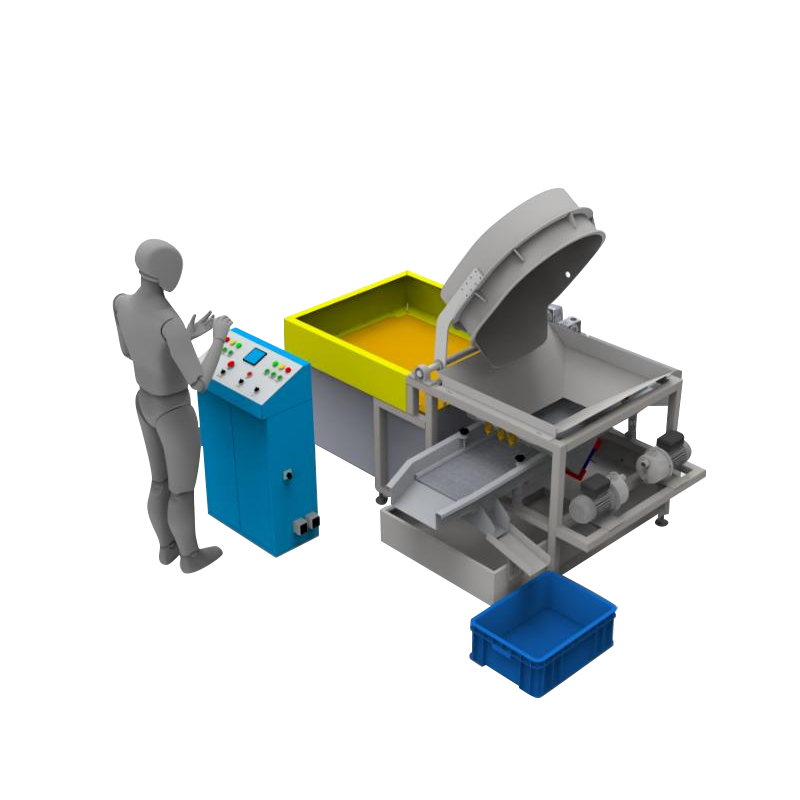
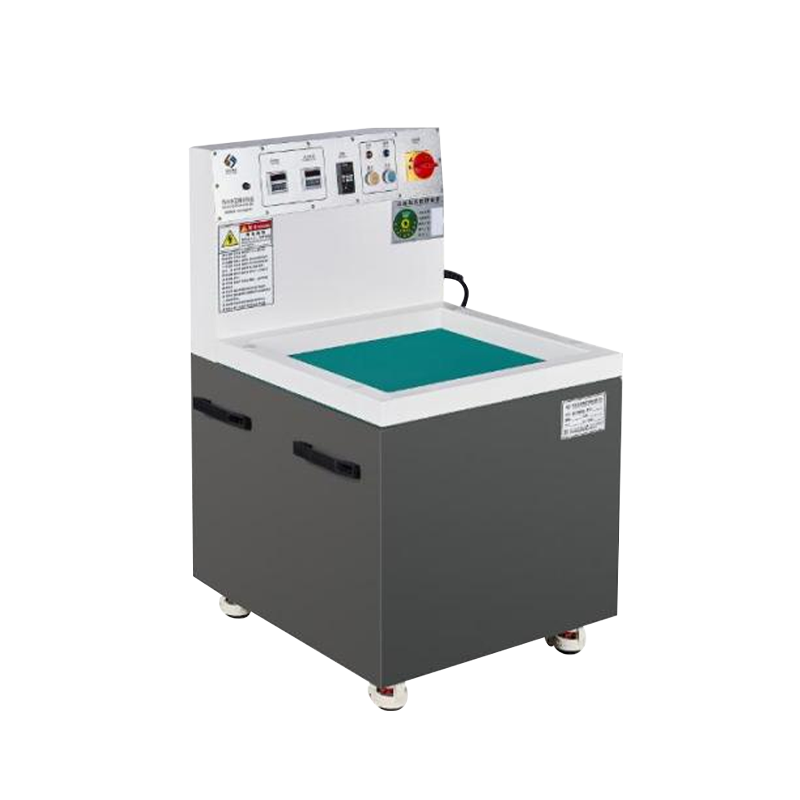
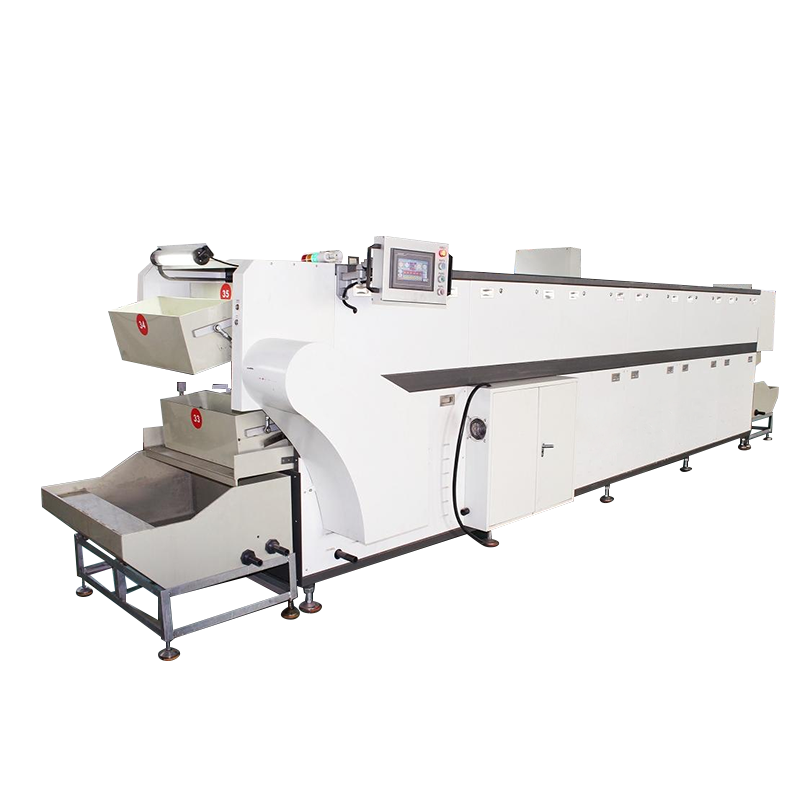
A Pass-Through Magnetic Deburring Polisher is a type of magnetic finishing equipment designed to clean, deburr, and polish small metal parts as they travel continuously through a magnetic field, rather than sitting in a closed drum or tumbler. Instead of loading parts in batches and waiting for a full cycle to finish, operators feed components in on one side of the machine, and finished, burr-free parts come out the other side. This "pass-through" design makes the machine especially popular in factories that need steady, high-volume output without constant stopping and starting.
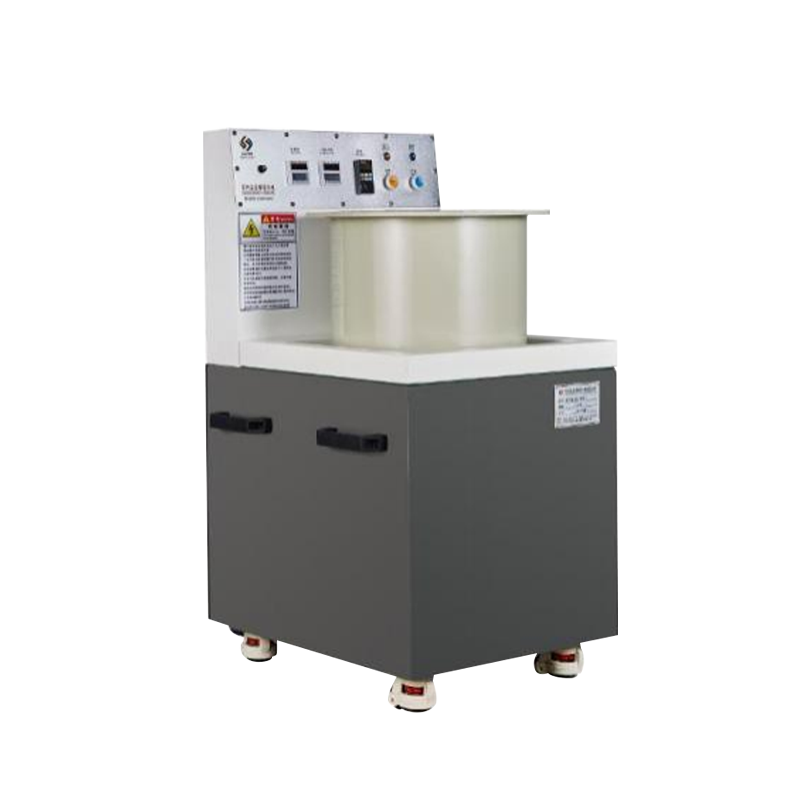
Inside the machine, a rotating magnetic field agitates tiny stainless steel pins or needles. These pins brush against the surface of the parts at high speed, removing burrs, sharp edges, oxidation, and light rust, while also polishing the surface to a smooth, even finish. Because the magnetic force does the work instead of harsh chemicals or abrasive media, the process is gentle enough for delicate or intricate parts, yet powerful enough to clean hard-to-reach holes, slots, and threads.
How the Pass-Through Deburring Process Works
Understanding the mechanics behind a Pass-Through Magnetic Deburring Polisher helps explain why it performs so well on small, precision parts. The process generally follows a simple, repeatable flow:
- Parts are loaded onto a conveyor belt, vibratory tray, or feeding chute at the entrance of the machine.
- A rotating magnetic drum or field generator underneath or around the pathway activates the stainless steel pins.
- The energized pins swirl rapidly around and inside every part, reaching crevices, blind holes, and threads that other methods often miss.
- Burrs, oxide layers, and surface contaminants are mechanically worn away as the parts move steadily through the magnetic zone.
- Finished parts exit the machine already deburred and polished, ready for the next production step or packaging.
Because parts never stop moving, cycle times are dramatically shorter than traditional batch tumbling or vibratory finishing, which is a major reason manufacturers switch to a pass-through system when volume increases.
Batch Magnetic Polishers vs. Pass-Through Magnetic Deburring Polishers
Many buyers start out with a batch-style magnetic tumbler and later consider upgrading. The table below compares the two approaches so you can see where a pass-through machine offers a clear advantage.
| Feature | Batch Magnetic Polisher | Pass-Through Magnetic Deburring Polisher |
| Workflow | Load, run cycle, unload | Continuous feed and discharge |
| Best For | Small to medium runs | High-volume, ongoing production |
| Labor Involvement | Higher, manual loading each cycle | Lower, can integrate into automated lines |
| Consistency | Can vary between batches | Very consistent, same exposure time per part |
| Throughput | Limited by cycle time | Higher, driven by belt or feed speed |
Key Benefits of Choosing a Pass-Through Design
Manufacturers who switch to a Pass-Through Magnetic Deburring Polisher usually notice improvements in several areas at once. The benefits go beyond just speed:
- Continuous processing reduces bottlenecks in high-volume production lines.
- Gentle magnetic action prevents warping, scratching, or damage to delicate components.
- Uniform exposure time for every part results in more predictable, repeatable finishing quality.
- Fine stainless steel pins reach internal channels, threads, and tiny holes that abrasive tumbling often misses.
- Lower labor costs since operators are not required to babysit individual batch cycles.
- Easy integration with upstream and downstream automation, such as stamping presses or packaging lines.
Materials and Parts That Benefit Most
Not every material or part shape reacts the same way to magnetic finishing, so it helps to know where a Pass-Through Magnetic Deburring Polisher truly shines. It performs especially well on small precision components made from stainless steel, brass, copper, aluminum, and other non-ferrous or lightly magnetic materials. Typical parts include jewelry findings, watch components, electronic connectors, medical instrument parts, springs, stamped metal brackets, and fasteners.
Parts With Complex Geometry
Because the magnetic pins can flow into blind holes, slots, and internal threads, parts with complex geometry that are difficult to clean by hand or with standard vibratory finishing tend to see the biggest improvement. This makes the pass-through method a favorite in the electronics, medical device, and precision hardware industries.
Delicate or Thin-Walled Components
Thin, lightweight, or fragile parts that could bend or crack under heavier abrasive media are much safer to run through a magnetic system, since the finishing pins apply gentle, even contact rather than heavy tumbling force.
Choosing the Right Machine for Your Production Line
Selecting the right Pass-Through Magnetic Deburring Polisher depends on more than just price. Before purchasing, it helps to evaluate a few practical factors that directly affect performance and long-term satisfaction with the equipment.
Throughput and Belt Width
Match the belt width and conveyor speed to your actual production volume. A machine that is too small will create a bottleneck, while an oversized machine may waste floor space and energy on lower-volume jobs.
Pin Size and Chamber Design
Finer pins are better suited for delicate, small parts and tight internal features, while slightly larger pins may be preferred for tougher deburring tasks on heavier components. Confirm that the chamber size and pin type match the parts you plan to run.
Ease of Cleaning and Pin Recovery
Look for a design with a built-in pin separation and recovery system, so stray pins are automatically filtered out before parts move to the next stage of production.
Maintenance Tips to Keep Your Polisher Running Smoothly
Like any piece of production equipment, a Pass-Through Magnetic Deburring Polisher performs best with routine care. Following a simple maintenance schedule extends the life of the machine and keeps finishing quality consistent.
- Inspect and clean stainless steel pins regularly to remove built-up debris or worn fragments.
- Check conveyor belts and feed mechanisms for wear or misalignment on a weekly basis.
- Keep the magnetic drum area free from dust and metal shavings that can affect performance.
- Verify that pin recovery filters and separators are functioning properly to avoid pin loss.
- Lubricate moving mechanical parts according to the manufacturer's recommended schedule.
Common Mistakes to Avoid
Even a well-built Pass-Through Magnetic Deburring Polisher can underperform if it is used incorrectly. Overloading the feed rate beyond the machine's rated capacity often leads to inconsistent deburring, since parts pass through the magnetic field too quickly to be fully cleaned. Using the wrong pin size for the job is another common issue, as pins that are too large may not reach fine internal features, while pins that are too small may not remove tougher burrs efficiently.
Skipping regular pin maintenance is also a frequent cause of declining performance, since worn or contaminated pins lose their cutting efficiency over time. Finally, failing to match compound or additive use with the specific material being processed can lead to dull or uneven finishes, so it is worth testing settings on a small sample batch before committing to full production runs.