 en
en English
 中文简体
中文简体 Español
 русский
 Français
 عربى
عربى Deutsch
 Português
 日本語
日本語 한국어
한국어 italiano
Shengya
Shengya
Shengya
Shengya
Shengya
Shengya
Shengya
Shengya
Shengya
Every factory, power plant, and processing facility depends on water in one form or another, whether it's for cooling systems, boiler feed, product formulation, or cleaning. But raw water straight from a municipal supply or a natural source almost never meets the purity standards these processes require. That's where industrial water treatment equipment comes in. This category of machinery removes contaminants, adjusts chemical properties, and conditions water so it performs reliably in industrial systems without causing scaling, corrosion, or contamination. Choosing the right combination of equipment can mean the difference between decades of smooth operation and constant, costly breakdowns.
Why Industrial Facilities Need Dedicated Water Treatment
Untreated water carries dissolved minerals, suspended solids, microorganisms, and sometimes trace chemicals that can wreak havoc on industrial equipment. Hard water, for example, deposits scale inside boilers and heat exchangers, reducing efficiency and eventually causing equipment failure. Water with high oxygen content accelerates corrosion in pipes and tanks, while biological contamination can foul cooling towers and create health hazards. Industrial water treatment equipment addresses these issues at the source, ensuring water entering a process meets the exact specifications required for that application.
Beyond protecting equipment, treatment systems are often mandated by regulatory bodies, especially for wastewater discharge. Facilities must treat water before releasing it back into the environment, and failing to do so can result in significant fines or shutdown orders. This makes water treatment equipment not just a matter of operational efficiency but also legal compliance.
Core Categories of Treatment Equipment
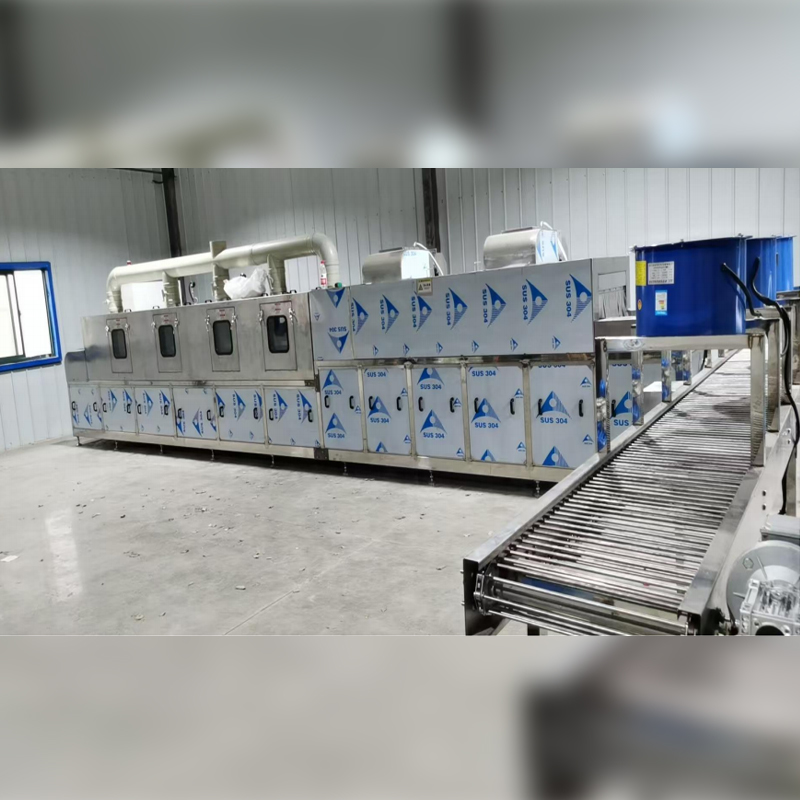
Industrial water treatment isn't a single machine but a system of equipment, each handling a specific stage of purification or conditioning. Understanding these categories helps facility managers design a treatment train that matches their water source and end-use requirements.
- Filtration systems that remove suspended solids and sediment
- Reverse osmosis units that remove dissolved salts and minerals
- Water softeners that reduce calcium and magnesium hardness
- Chemical dosing systems that adjust pH, control scaling, or disinfect water
- UV disinfection units that neutralize bacteria and pathogens without chemicals
- Deaerators that remove dissolved oxygen and gases from boiler feed water
Filtration Equipment for Removing Solids
Filtration is usually the first line of defense in any treatment system, tasked with removing sand, silt, rust particles, and other suspended solids before water moves on to more sensitive equipment downstream. Common filtration technologies include multimedia sand filters, cartridge filters, and bag filters, each suited to different particle sizes and flow rates.
Multimedia Sand Filters
These large vessels use layered beds of sand, gravel, and anthracite to trap particles as water flows through. They're effective for high-volume applications and are commonly used as a pretreatment step before reverse osmosis systems to protect delicate membranes from fouling.
Cartridge and Bag Filters
These are simpler, lower-cost options ideal for polishing water after primary filtration or for smaller flow applications. They're easy to swap out during maintenance, though they require more frequent replacement than sand filters in high-solids environments.
Reverse Osmosis and Membrane Systems
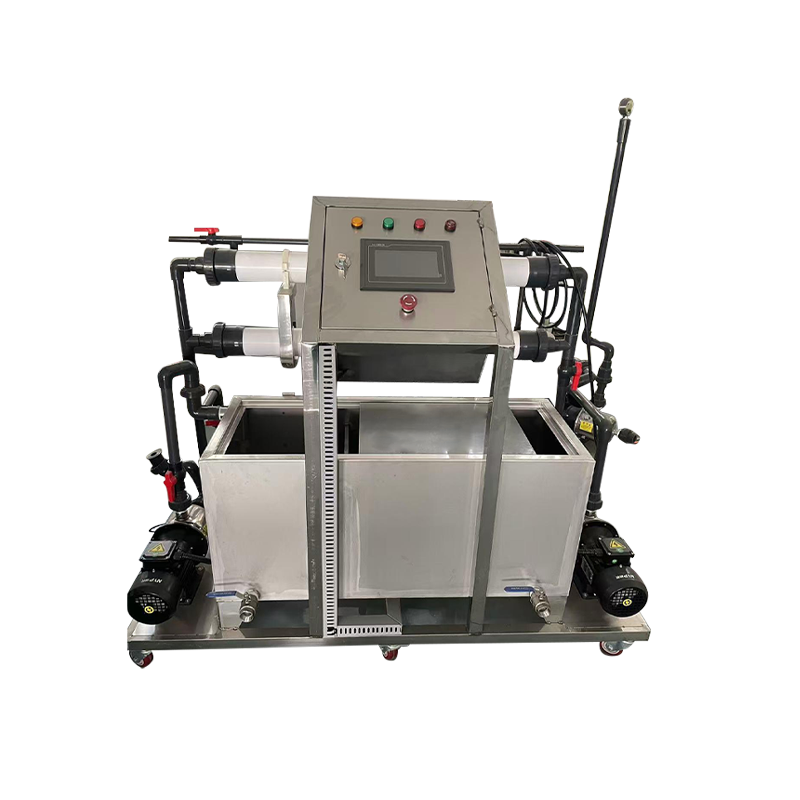
For applications requiring very pure water, such as boiler feed or pharmaceutical manufacturing, reverse osmosis (RO) systems push water through a semi-permeable membrane under pressure, blocking dissolved salts, minerals, and most organic compounds. RO systems are rated by membrane rejection rate and flow capacity, and facilities often pair them with pretreatment filtration to prevent membrane fouling, which can drastically shorten the membrane's usable life.
Ultrafiltration and nanofiltration are related membrane technologies that sit between standard filtration and full reverse osmosis, offering different levels of contaminant rejection depending on the required water purity.
Water Softening for Scale Prevention
Hard water is one of the most common causes of equipment failure in industrial settings, since calcium and magnesium ions build up as scale on heated surfaces. Water softeners use ion exchange resin to swap these hardness minerals for sodium ions, producing softened water that won't form scale deposits. Facilities running boilers, cooling towers, or steam systems typically rely on softeners as a critical pretreatment step, since even a thin layer of scale on a heat exchanger surface can reduce thermal efficiency by a significant margin and increase energy costs.
Matching Equipment to Water Source and Application
The right combination of treatment equipment depends heavily on both the quality of the incoming water source and the specific requirements of the process it will feed into. A facility drawing from a municipal supply has very different treatment needs compared to one pulling from a well or surface water source with high turbidity.
| Application | Primary Treatment Needed | Key Concern |
| Boiler feed water | Softening, deaeration, RO | Scale and corrosion prevention |
| Cooling tower water | Filtration, chemical dosing | Biological growth and scaling |
| Process water | RO, ultrafiltration | Product purity and consistency |
| Wastewater discharge | Chemical treatment, filtration | Regulatory compliance |
Getting a full water analysis before selecting equipment is essential, since undersized or mismatched systems often lead to premature equipment failure and higher long-term operating costs.
Chemical Dosing and Disinfection Systems
Beyond physical filtration and membrane separation, many industrial systems require chemical treatment to control pH, prevent biological growth, or neutralize residual contaminants. Automated dosing pumps inject precise amounts of chemicals like chlorine, biocides, or corrosion inhibitors based on continuous water quality monitoring. UV disinfection systems have also gained popularity as a chemical-free alternative for neutralizing bacteria and pathogens, particularly in facilities looking to reduce chemical handling and disposal costs.
Monitoring and Automation in Modern Treatment Systems
Modern industrial water treatment equipment increasingly includes automated sensors and control systems that continuously track parameters like conductivity, pH, turbidity, and chlorine residual. These systems can automatically adjust chemical dosing rates or trigger alarms when readings fall outside acceptable ranges, reducing the need for constant manual sampling. For large facilities running multiple treatment trains, centralized monitoring dashboards allow operators to track performance across the entire system from a single control room, catching problems before they escalate into costly downtime.
Maintenance Practices That Extend Equipment Life
Even well-designed treatment systems require consistent maintenance to keep performing at their rated capacity. Filters need regular backwashing or replacement, RO membranes require periodic cleaning to remove fouling, and softener resin beds need scheduled regeneration cycles. Skipping these routine tasks is one of the most common reasons treatment systems underperform, often leading facilities to mistakenly believe they need new equipment when the real issue is neglected upkeep. Keeping a maintenance log and following manufacturer-recommended service intervals goes a long way toward maximizing the lifespan of every component in the system.
Final Thoughts on Building an Effective Treatment System
Selecting the right industrial water treatment equipment starts with a clear understanding of your water source, your process requirements, and any regulatory obligations tied to discharge or product quality. A well-designed treatment train, backed by consistent maintenance and modern monitoring tools, protects expensive downstream equipment, reduces energy and chemical costs, and keeps operations running smoothly for years. Investing the time upfront to properly size and configure treatment equipment almost always pays off in reduced downtime and lower long-term operating costs.