 en
en English
 中文简体
中文简体 Español
 русский
 Français
 عربى
عربى Deutsch
 Português
 日本語
日本語 한국어
한국어 italiano
Shengya
Shengya
Shengya
Shengya
Shengya
Shengya
Shengya
Shengya
Shengya
What Is a Magnetic Deburring Machine and How It Works
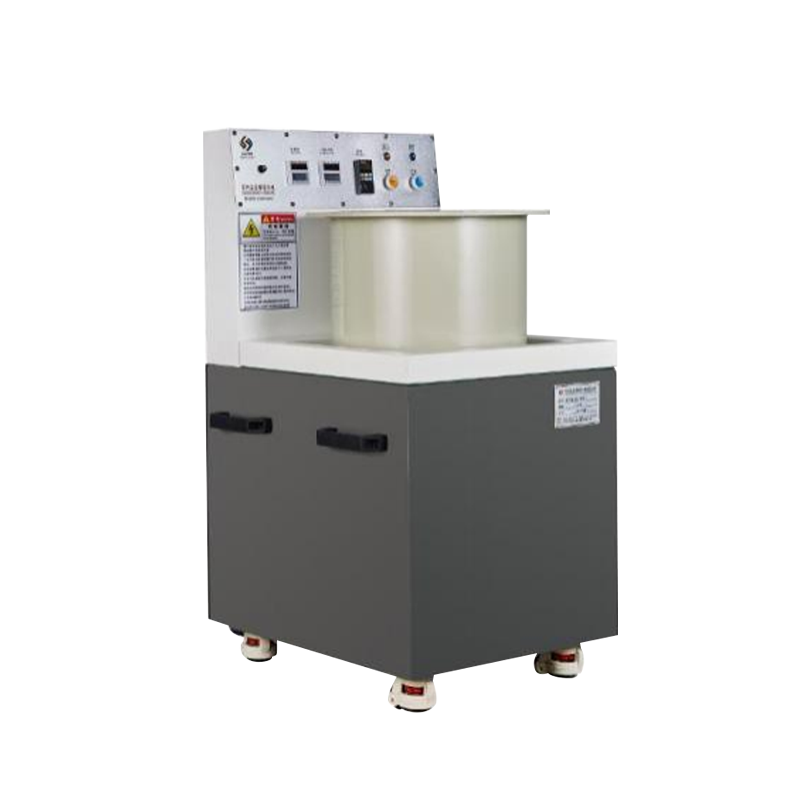
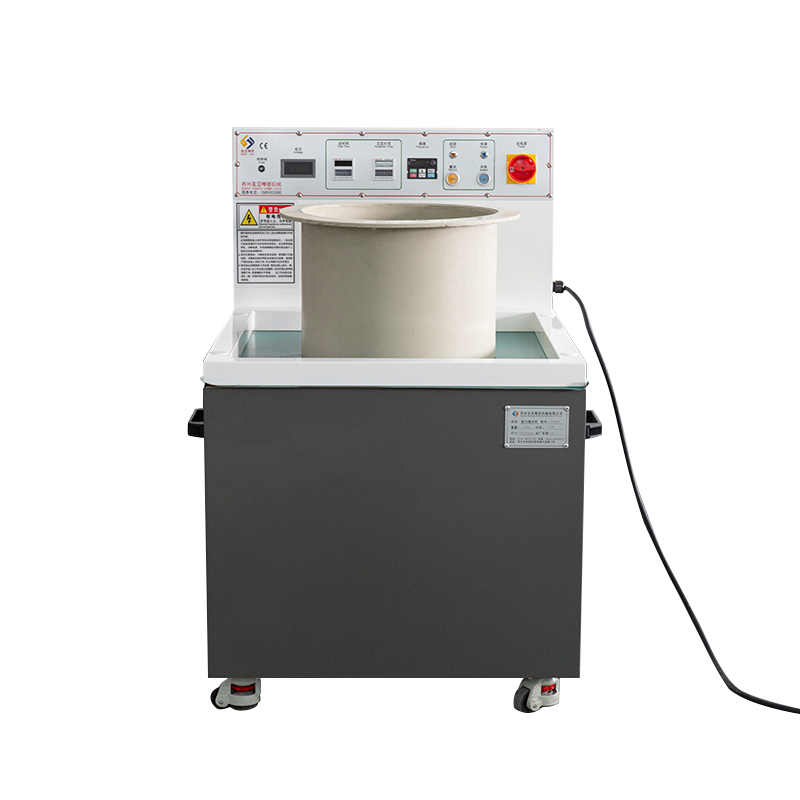
A magnetic deburring machine uses a rotating magnetic field to agitate small steel pins inside a drum or tumbling chamber, which then scrub against metal parts to remove burrs, polish surfaces, and clean debris from tiny crevices. The magnetic field spins the pins at high speed without any direct mechanical contact between the drive system and the workpieces, which means even delicate or intricate parts can be deburred without risk of bending or breaking.
This process is especially valuable for small, complex components such as watch parts, medical devices, electronic connectors, and precision-machined pieces where traditional deburring methods like manual filing or vibratory finishing might be too slow, too rough, or simply unable to reach tight internal spaces. Because the magnetic pins can access holes, slots, and threads that other methods miss, a magnetic deburring machine delivers a level of thoroughness that's hard to match with manual labor alone.
Key Advantages Over Traditional Deburring Methods
Compared to manual deburring, vibratory tumbling, or abrasive blasting, magnetic deburring machines offer a unique set of benefits that make them a preferred choice for precision manufacturing.
- Reaches internal holes, slots, and threads that other methods can't access
- Gentle enough for fragile or thin-walled parts without causing deformation
- Processes batches of small parts simultaneously, saving significant labor time
- Produces consistent, repeatable results across every part in the batch
- Reduces the need for hazardous chemicals often used in other finishing processes
Industries That Rely on Magnetic Deburring Machines
A wide range of industries depend on magnetic deburring technology to meet strict quality and cleanliness standards for small precision components.
| Industry | Typical Parts Processed |
| Medical Devices | Surgical instruments, needles, implant components |
| Electronics | Connectors, terminals, small stamped parts |
| Watchmaking and Jewelry | Gears, small screws, delicate housings |
| Automotive | Small fasteners, injector parts, precision brackets |
| Firearms Manufacturing | Small pins, springs, trigger assembly parts |
In every one of these industries, the ability to clean and deburr tiny parts consistently without damaging them is a major factor in choosing magnetic finishing over other techniques.
Understanding the Core Components of the Machine
Knowing what makes up a magnetic deburring machine helps operators understand how to use it effectively and troubleshoot issues when they arise.
Rotating Magnetic Drum
The drum houses the parts and magnetic pins, rotating or oscillating the magnetic field beneath it to keep the pins in constant motion against the workpieces.
Stainless Steel Pins
These small cylindrical pins are the actual abrasive tools in the process. They come in various sizes and shapes, and choosing the right pin size for the geometry of your parts is critical for effective deburring.
Speed and Timer Controls
Adjustable speed settings and programmable timers allow operators to fine-tune the intensity and duration of the deburring cycle based on material type and desired finish.
How to Choose the Right Machine for Your Production Needs
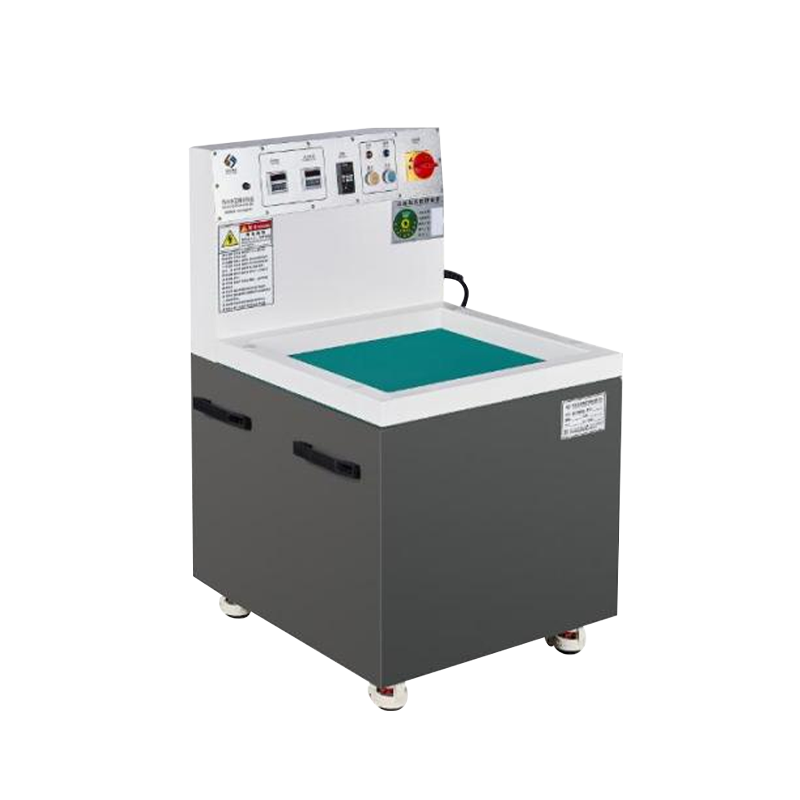
Selecting a magnetic deburring machine depends on the volume of parts you process, their size, and the level of finish quality required. Small job shops handling a limited number of parts per batch may only need a benchtop unit, while high-volume manufacturers should look at larger industrial machines with bigger drum capacities and programmable cycle settings.
It's also important to consider the compatibility of the machine with your part materials. While magnetic deburring works well with most ferrous and non-ferrous metals, certain plastics or extremely lightweight components may not respond well to the pin action and could require a different finishing method altogether.
Best Practices for Operating a Magnetic Deburring Machine
Getting consistent results from your machine requires more than just loading parts and pressing start. Following a few operational best practices can significantly improve your outcomes.
- Sort parts by size and material before running a batch to ensure even processing
- Use the correct pin size and shape based on the geometry of the parts being finished
- Add compound or lubricant if recommended by the manufacturer for improved finish quality
- Avoid overloading the drum, which can reduce pin movement and finishing effectiveness
- Run a test batch first when processing a new part design to fine-tune cycle time
Maintenance Tips to Keep Your Machine Running Smoothly
Routine maintenance keeps a magnetic deburring machine performing at its best and extends its operational lifespan. Clean the drum and pins regularly to remove metal fines and residue that can build up over time and reduce efficiency.
Inspect the pins periodically for wear and replace them once they become too short or worn to deliver effective results. Additionally, check the magnetic drive system and motor for unusual noise or vibration, as early detection of mechanical issues can prevent costly downtime later on.
Common Mistakes That Reduce Deburring Quality
Even a well-built magnetic deburring machine can underperform if operators overlook a few important details. Being aware of these common mistakes helps maintain consistent quality.
- Using the wrong pin size for delicate or oddly shaped parts
- Running cycles too long, which can cause excessive wear on part surfaces
- Overloading the drum with too many parts at once
- Neglecting to clean pins and drum between different material batches
- Skipping test runs before processing new or unfamiliar part designs
Avoiding these mistakes ensures your magnetic deburring machine consistently delivers clean, burr-free parts with a professional finish batch after batch.