 en
en English
 中文简体
中文简体 Español
 русский
 Français
 عربى
عربى Deutsch
 Português
 日本語
日本語 한국어
한국어 italiano
Shengya
Shengya
Shengya
Shengya
Shengya
Shengya
Shengya
Shengya
Shengya
What Is a Magnetic Abrasive Polishing Machine?
A magnetic abrasive polishing machine (sometimes called a magnetic polishing machine, magnetic deburring machine, or magnetic finishing system) is a piece of equipment that uses a controlled magnetic field to drive abrasive media – typically small stainless steel pins or a mixture of magnetic and abrasive particles – across the surface of a workpiece. The result is a uniformly polished, deburred, and cleaned surface, even on complex geometries that traditional methods struggle to reach.
Unlike conventional mechanical polishing that relies on direct physical contact with grinding wheels or belts, magnetic abrasive finishing (MAF) is a “flexible machining” method. It applies relatively low finishing forces, making it ideal for thin-walled parts, miniature components, and workpieces with intricate features. The process can achieve surface roughness improvements from micrometers down to the nanometer scale.
How Does a Magnetic Abrasive Polishing Machine Work?
The working principle is surprisingly straightforward. Here's what happens step by step.
Step 1: The Magnetic Field Is Generated
The machine creates a strong magnetic field using either permanent magnets or electromagnets located beneath the work container. This field is what drives the entire finishing process.
Step 2: The Abrasive Media Is Activated
The workpiece and the abrasive media – typically stainless steel pins, steel shot, or a mixture of ferromagnetic particles and abrasive grains – are placed in a container above the magnetic field. When the magnetic field is switched on, the media becomes magnetized and begins to move in a controlled, high-energy motion.
Step 3: The Magnetic Brush Forms
As the magnetic particles align along the magnetic flux lines, they form a flexible "magnetic brush". This brush acts like thousands of tiny cutting tools, pressing against the workpiece surface with uniform pressure.
Step 4: Material Removal Happens
Through relative motion between the magnetic brush and the workpiece, each abrasive grain slides over the surface, shaving off microscopic high spots, removing burrs, and smoothing out irregularities. The process can reach into blind holes, internal grooves, threads, and other hard-to-access areas that conventional tools simply cannot reach.
The entire operation typically takes anywhere from 5 to 20 minutes per cycle. Processing times are relatively short, and multiple parts can be finished simultaneously in a single batch.
Types of Magnetic Abrasive Polishing Machines
Not all magnetic polishing machines are the same. The two main categories are determined by capacity and configuration.
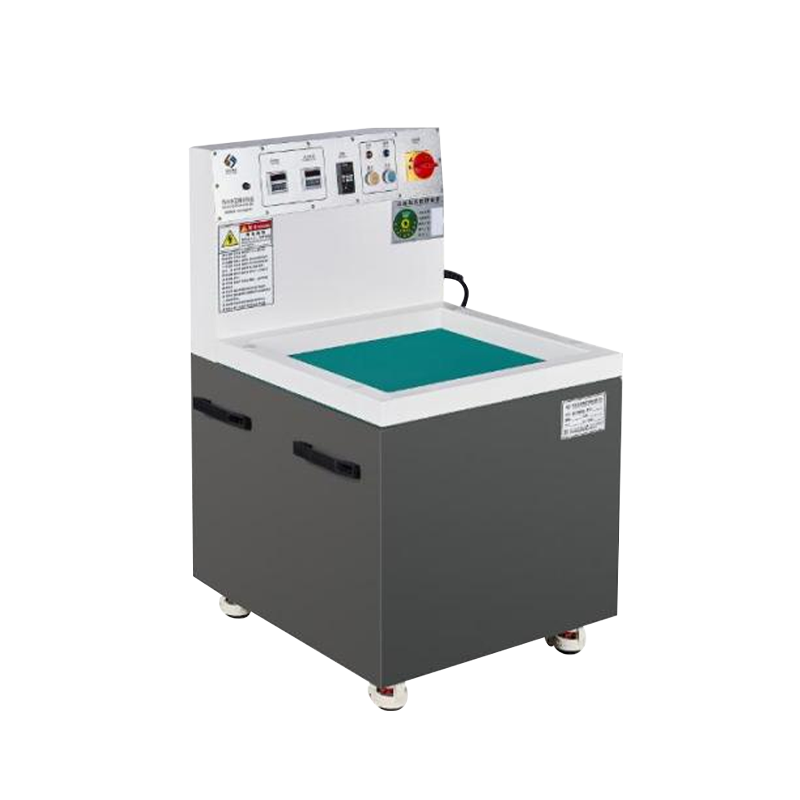
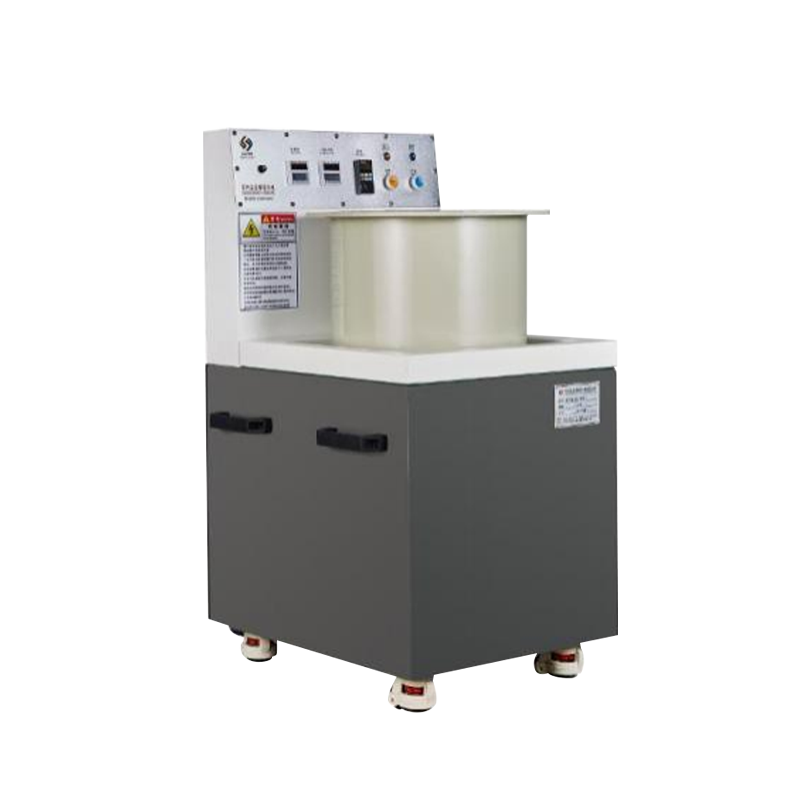
Desktop / Benchtop Units
Desktop units are compact systems designed for extreme precision over high throughput. They typically handle a total mass of 0.2 kg to 2 kg per cycle (parts, liquid compound, and media combined). These machines run on standard electrical voltage and fit easily onto existing workbenches.
Desktop magnetic abrasive polishing machines are popular in jewelry workshops, dental laboratories, and R&D facilities. A jewelry workshop can finish 80–100 silver rings in a single 15-minute cycle, improving surface roughness from Ra 0.3 µm to Ra 0.05 µm.
Industrial / Floor-Standing Units
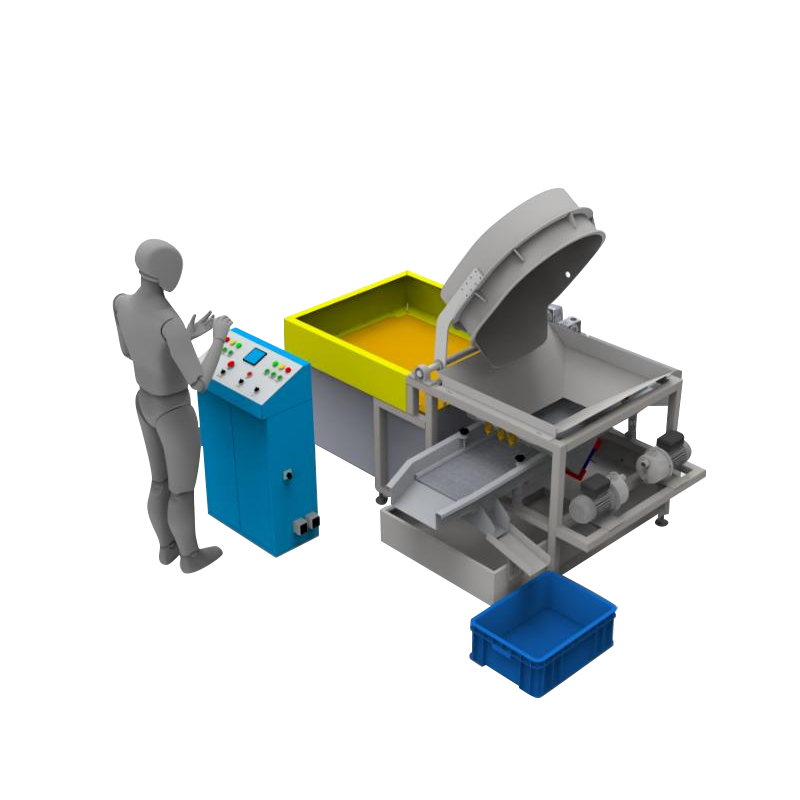
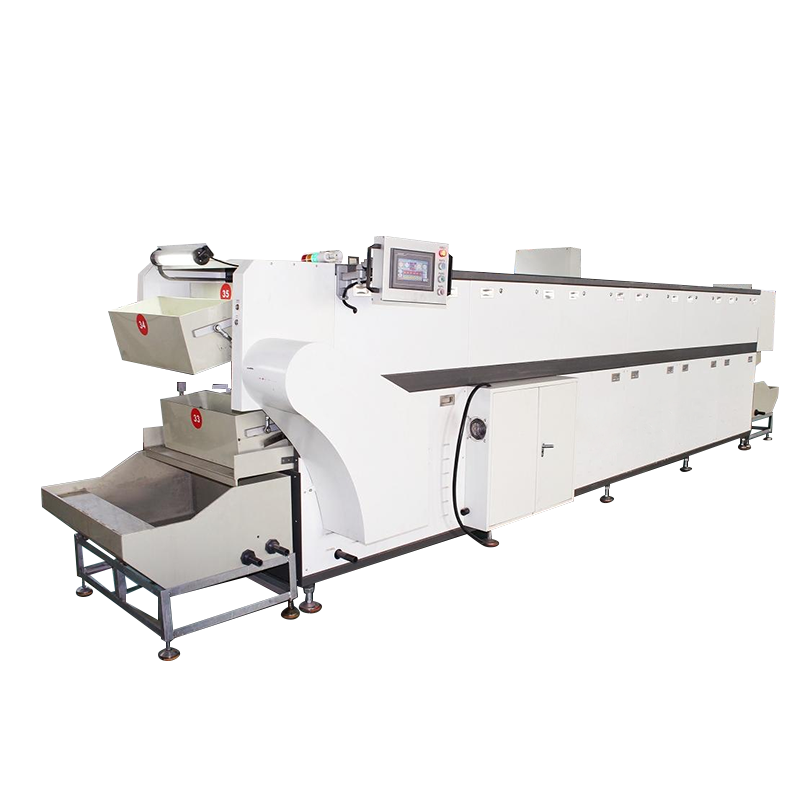
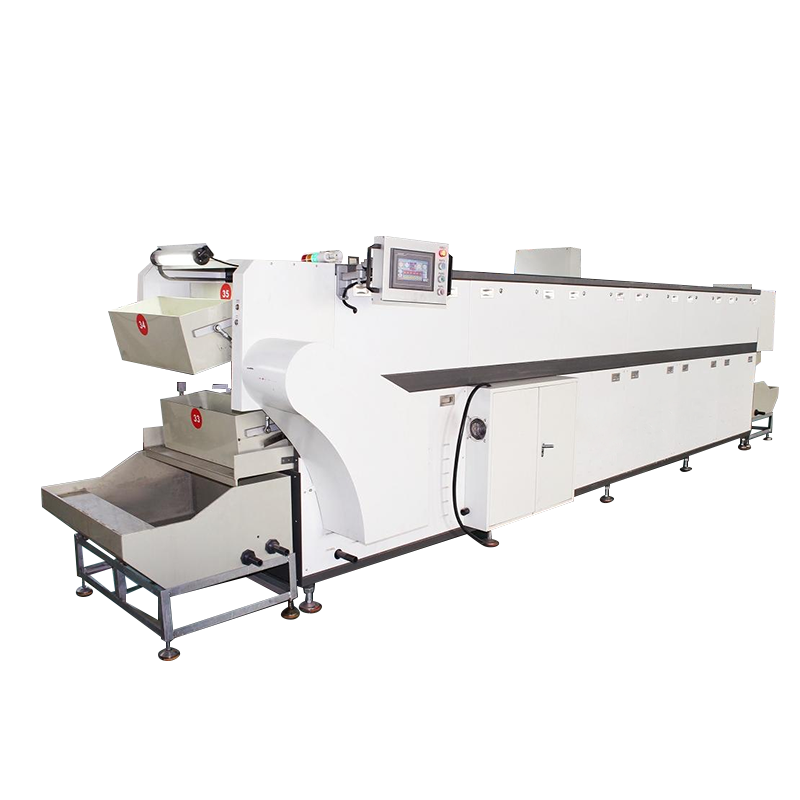
Floor-standing models are the workhorses of mass manufacturing. They process loads ranging from 10 kg up to 24 kg or more per cycle. These machines feature heavier-duty electromagnets, advanced cooling systems for 24/7 operation, and programmable logic controllers (PLCs) for precise recipe management.
Industrial magnetic abrasive polishing machines are used in automotive parts manufacturing, aerospace component production, mass-produced fasteners, and CNC machined fittings. A dental tool factory can process 300–400 titanium implants in a single 20-minute cycle, achieving a surface roughness of Ra 0.02 µm.
Single-Spindle vs. Twin-Spindle Configurations
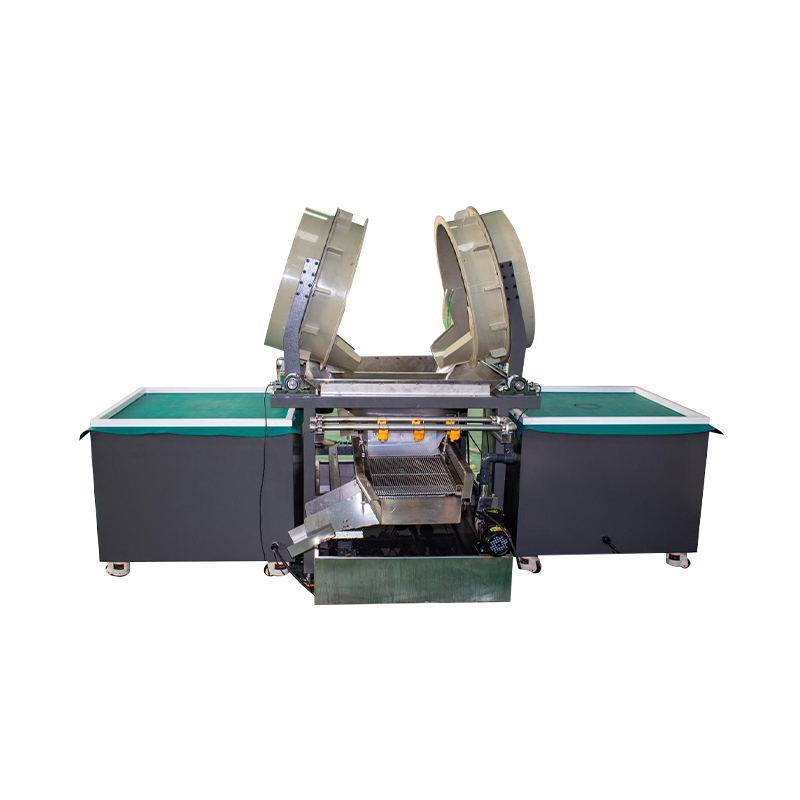
Beyond capacity, machines also differ in kinetic configuration. Single-spindle systems have one rotating magnetic field unit and are suitable for smaller batches or simpler geometries. Twin-spindle systems feature two independent units, allowing higher throughput and the ability to run different recipes simultaneously.
Key Factors That Affect Finishing Results
The performance of a magnetic abrasive polishing machine depends on several adjustable parameters. Getting these right is the difference between a mirror finish and a mediocre one.
| Parameter | What It Controls | Typical Impact |
| Magnetic Field Strength | Pressure of the magnetic brush against the workpiece | Higher strength = faster material removal, but may cause surface damage if too high |
| Rotational Speed | Speed of the magnetic field rotation | Higher speed = more efficient finishing, but generates more heat |
| Working Gap | Distance between the magnetic source and the workpiece | Smaller gap = stronger magnetic force = better finish |
| Media Type and Size | Abrasive material (Al₂O₃, SiC, diamond) and particle size | Coarser media for burr removal; finer media for surface refinement |
| Processing Time | Duration of the finishing cycle | Longer time = smoother finish, but diminishing returns after a point |
| Media Filling Rate | Volume of abrasive media in the container | Optimal filling ensures uniform coverage and efficient action |
Surface roughness can be reduced significantly with the right parameter combination. For example, the average surface roughness Ra of TC4 titanium alloy was reduced from 0.433 μm to 8 nm after 30 minutes of multi-stage magnetic abrasive finishing. On 316 stainless steel, Ra decreased from 0.575 μm to below 0.1 μm – an 80% improvement – in just 9.1 minutes.
What to Look for When Buying a Magnetic Abrasive Polishing Machine
Choosing the right magnetic abrasive polishing machine requires matching technical specifications to your production realities. Over-sizing wastes capital; under-sizing creates immediate bottlenecks. Here are the five key factors to consider.
Workpiece Material
Different workpiece materials require different magnetic abrasives and grinding parameters. For harder materials like hardened steel or tungsten carbide, you'll need harder magnetic abrasives and smaller media sizes for effective grinding. Aluminum oxide is commonly used on machined steels and stainless steels; silicon carbide is preferred when burr removal is the primary concern; diamond abrasives are used on carbide components and hardened materials.
Workpiece Size and Shape
Different sizes and shapes require different media sizes and disk configurations. The density and arrangement of magnetic needles should be adjusted according to the workpiece geometry to ensure uniform coverage and consistent force across the entire surface.
Surface Finish Requirements
Different applications demand different finishes. You can achieve different surface treatment effects by selecting suitable magnetic abrasives and adjusting magnetic field intensity and media density. If you need a mirror finish for optical components or medical implants, you'll want finer media and longer cycle times. For simple deburring, coarser media and shorter cycles will do.
Production Volume and Efficiency
Your daily throughput determines whether you need a desktop or industrial unit. A larger machine with a high-power electromagnet improves production efficiency but also increases equipment costs and energy consumption. If you're processing hundreds of parts per hour, an industrial floor-standing unit is the way to go.
Cost and Maintenance
Consider not just the purchase price but also the ongoing costs. Media can be reused many times, reducing consumable costs. However, you'll need to factor in maintenance costs, spare parts, and potential downtime. A medium-sized magnetic polishing machine typically costs between 100,000 and 500,000 yuan.
Advantages of Magnetic Abrasive Polishing Machines
The magnetic abrasive polishing machine offers several distinct advantages over traditional finishing methods.
- High efficiency: Reduce polishing time by up to 80% compared to manual polishing. A typical cycle takes only 5 to 20 minutes.
- Consistent quality: Achieve repeatable results batch after batch. The magnetic field ensures uniform pressure across the entire workpiece surface.
- Complex geometry capability: Reach into blind holes, internal passages, threads, concave corners, and other hard-to-access areas.
- No workpiece deformation: The flexible magnetic brush applies low finishing forces, so the process never deforms the workpiece or affects its dimensional accuracy. Tolerances can be maintained within ±0.01 mm.
- Low temperature rise: The process generates minimal heat – temperature variation during a 60-minute operation is only about 14°C – preventing thermal deformation or metallurgical changes.
- Environmental friendliness: Unlike chemical polishing, magnetic polishing doesn't require large quantities of strong acids or alkalis. It generates less dust and noise, improving workplace safety.
- Low labor cost: Once processing parameters are set, the system operates with minimal supervision. This reduces dependence on skilled technicians and lowers labor costs.
Limitations to Keep in Mind
While magnetic abrasive polishing machines are powerful tools, they aren't suitable for every application.
- Not for heavy material removal: These machines are designed for surface finishing and deburring, not for heavy cutting or aggressive material removal.
- Ferromagnetic workpieces only (for some designs): Some magnetic polishing systems work best with non-ferromagnetic workpieces because the magnetic field can pass through them more easily. However, other configurations can handle both magnetic and non-magnetic materials.
- Media separation required: After each cycle, the abrasive media must be separated from the finished parts – though industrial units often feature automated separation systems.
- Initial investment: A good-quality industrial magnetic polishing machine represents a significant capital investment.
Industries That Use Magnetic Abrasive Polishing Machines
Magnetic abrasive polishing machines are used across a wide range of high-precision industries.
Aerospace
Aerospace components demand extremely smooth surfaces to reduce stress concentration and prevent material fatigue failure. MAF eliminates microcracks and residual stress left from machining, enhancing component lifespan and reliability.
Medical Devices
Titanium bone screws, dental implants, and surgical instruments require mirror-like finishes for both performance and hygiene. Magnetic polishing achieves surface roughness as low as Ra 0.02 µm on titanium implants.
Semiconductor and Electronics
Electronic components and semiconductor equipment parts demand extremely clean, smooth surfaces. MAF can process these delicate components without causing damage.
Automotive
From precision fasteners to engine components, automotive parts benefit from the deburring and polishing capabilities of magnetic finishing.
Jewelry and Watchmaking
This is one of the most common applications. A magnetic polishing machine can finish 80–100 silver rings in 15 minutes, or process stainless steel gears and screws in 10–12 minutes while maintaining dimensions within ±0.01 mm.
Mold and Die Manufacturing
Molds and dies require smooth surfaces for proper release and long service life. MAF can polish complex cavity geometries that are difficult to reach with traditional methods.
Optics
Optical components demand ultra-smooth surfaces to prevent light scattering. The random motion of magnetic abrasives helps achieve surface patterns that would require complicated setups with traditional polishing.
Maintaining Your Magnetic Abrasive Polishing Machine
Proper maintenance keeps your magnetic abrasive polishing machine running efficiently and extends its service life.
Clean After Every Use
After each use, clean the equipment thoroughly. This includes cleaning the steel media, the polishing container, and the machine surface. If polishing liquid splashes onto the machine, wipe it off immediately to prevent damage to the machine surface.
Check for Common Issues
Common faults that magnetic polishing machines may encounter include water leakage, equipment malfunction, and excessive vibration. Water leakage is usually caused by a missing or improperly seated polishing container. If the machine isn't working despite normal indicators, check whether the connection voltage is too low (below 200V).
Keep the Polishing Surface Clean
Regularly clean the polishing disk and workpiece surface to remove dirt and debris. Clean the magnetic motor regularly to keep it running well.
Replace Abrasive Media as Needed
Over time, abrasive media wears down and becomes less effective. Regularly clean and replace the abrasive in the container to avoid the impact of impurities and abrasive residue on the polishing effect.
Store Properly When Not in Use
When the machine is not in use, cover the control panel with a plastic bag to protect it from dust and dirt.
Magnetic Abrasive Polishing vs. Other Finishing Methods
How does a magnetic abrasive polishing machine compare to other common finishing methods?
| Method | Pros | Cons |
| Magnetic Abrasive Polishing | Reaches complex geometries, consistent results, low heat, no deformation | Not for heavy material removal, higher initial cost |
| Manual Polishing | Low equipment cost, flexible | Inconsistent results, labor-intensive, slow, cannot reach complex internal features |
| Vibratory Tumbling | Good for批量 processing, low cost per part | Cannot reach blind holes or internal passages effectively, parts can collide and get damaged |
| Chemical Polishing | Can reach all surfaces, including internal | Uses hazardous chemicals, environmental concerns, material removal is not precise |
Final Thoughts – Is a Magnetic Abrasive Polishing Machine Right for You?
A magnetic abrasive polishing machine is a powerful addition to any precision manufacturing operation. It delivers consistent, high-quality surface finishes on complex geometries that traditional methods simply cannot handle. It reduces cycle times, lowers labor costs, and produces repeatable results batch after batch.
But it's not for everyone. If you're doing heavy material removal or working with large, simple shapes that are easily finished by other methods, a magnetic polishing machine might be overkill. However, if you're in aerospace, medical devices, electronics, jewelry, or any industry where surface quality and complex geometry finishing matter, this technology is worth a serious look.
When choosing a magnetic abrasive polishing machine, take the time to evaluate your workpiece materials, geometries, surface requirements, production volumes, and budget. Match the machine's specifications to your actual needs – not to what the sales brochure promises. With the right machine and the right parameters, you'll be producing mirror-finish parts in minutes, not hours.