 en
en English
 中文简体
中文简体 Español
 русский
 Français
 عربى
عربى Deutsch
 Português
 日本語
日本語 한국어
한국어 italiano
Shengya
Shengya
Shengya
Shengya
Shengya
Shengya
Shengya
Shengya
Shengya
What Is a Magnetic Polishing Machine and How It Works
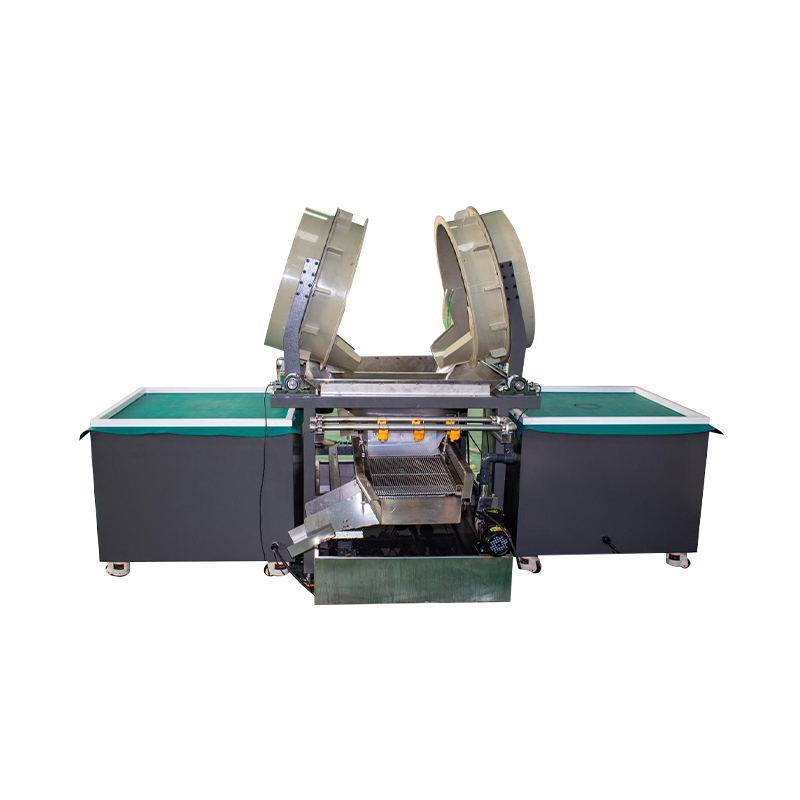
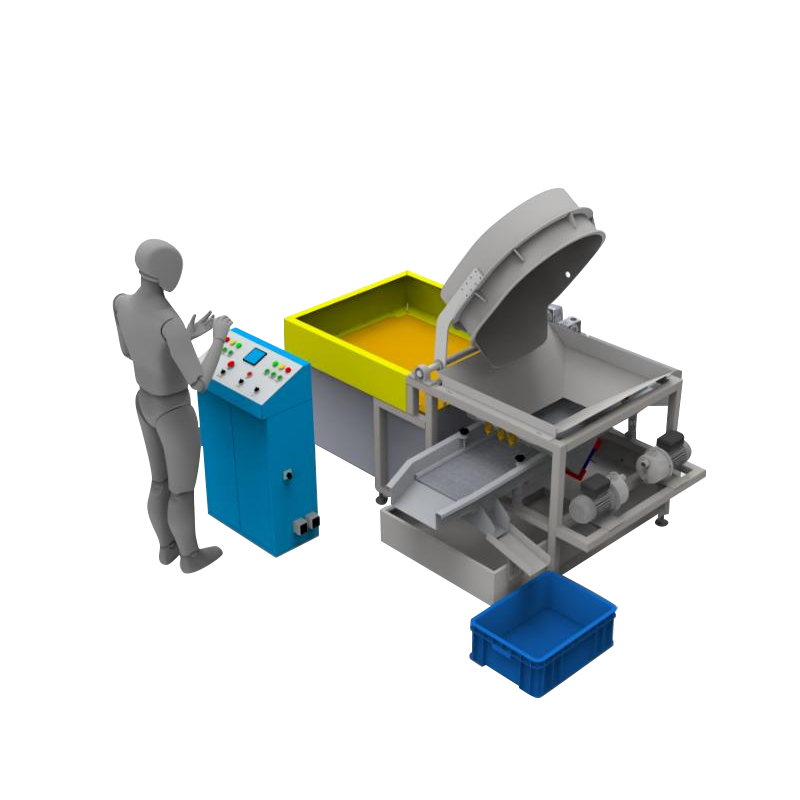
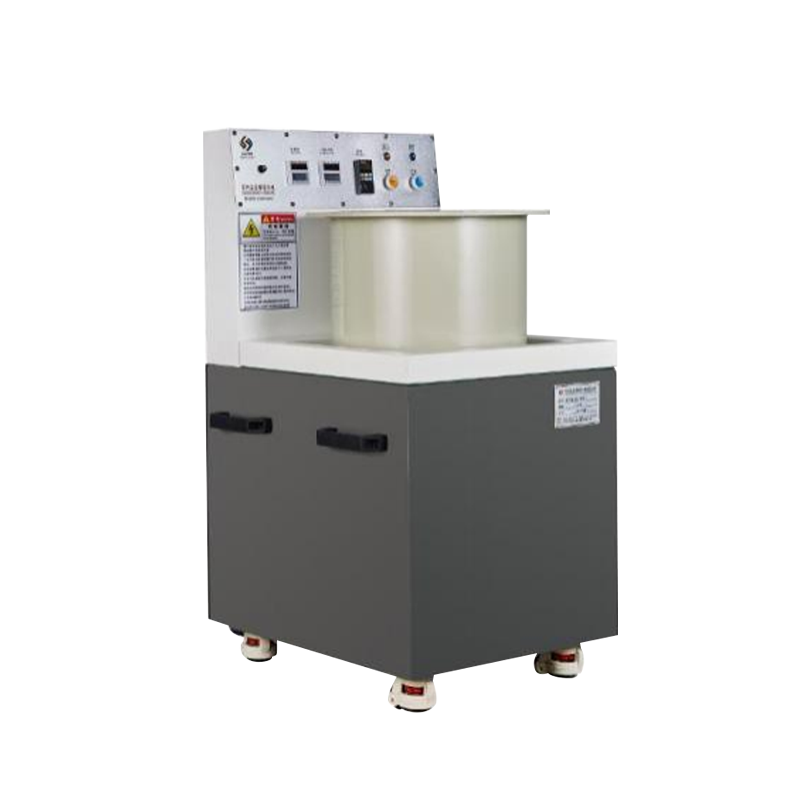
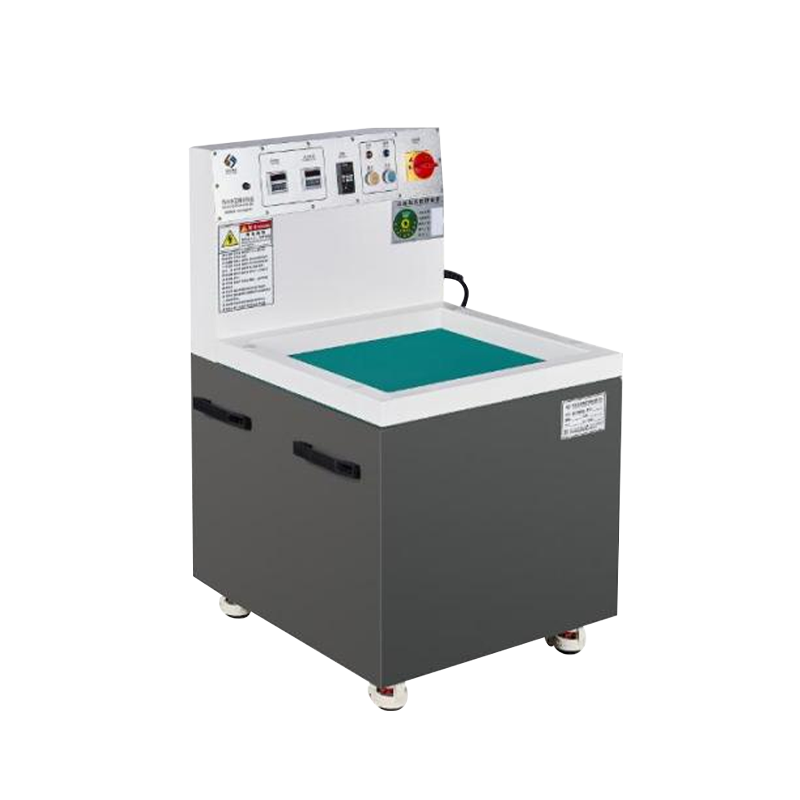
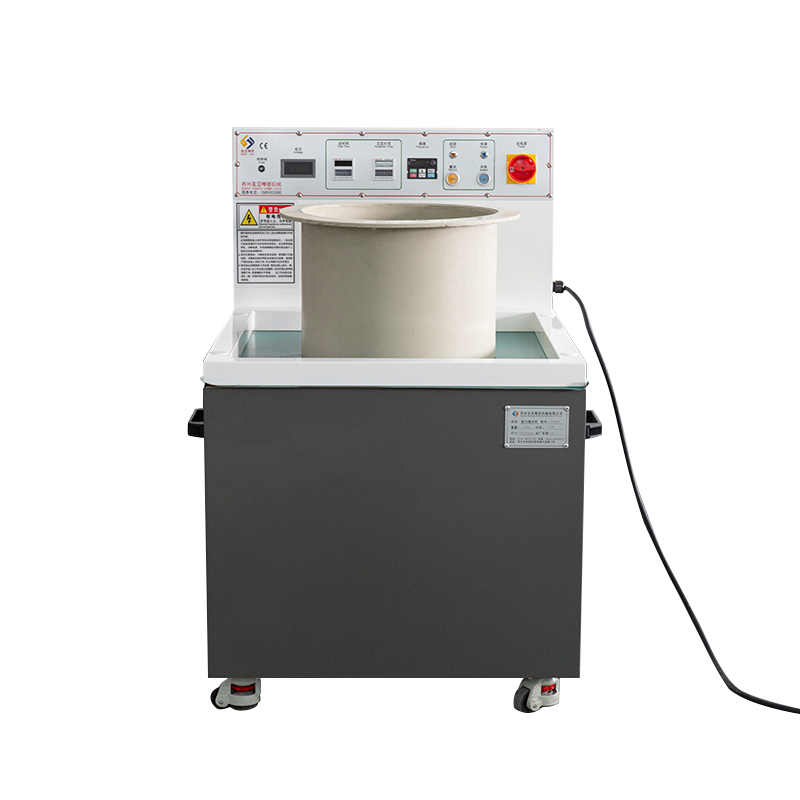
A magnetic polishing machine is a finishing tool that uses a rotating magnetic field to spin small steel pins inside a work chamber, creating a tumbling and burnishing action that cleans, deburrs, and polishes small parts. Instead of relying on abrasive media tumbling under gravity like traditional vibratory finishers, a magnetic polishing machine drives fine steel needles that move rapidly around the parts placed in the chamber, reaching tight corners, holes, and slots that other polishing methods often miss.
This technology is especially popular for finishing jewelry, small precision components, medical instruments, and electronic connector pins because it delivers a mirror-like finish without the risk of deforming delicate parts. Since the magnetic polishing machine works without direct mechanical contact between parts and heavy media, it is gentle enough for soft metals while still being powerful enough to remove light burrs and oxidation quickly.
How the Magnetic Field Creates a Polishing Action
The core mechanism behind a magnetic polishing machine relies on a rotating magnetic plate positioned beneath or around the work chamber. This magnetic field causes the fine stainless steel pins loaded into the chamber to spin and vibrate at high speed, brushing against every surface of the parts placed inside.
Rotating Magnetic Plate
Located below the work bowl, this plate generates the shifting magnetic field that keeps the steel pins in constant, controlled motion throughout the polishing cycle.
Stainless Steel Polishing Pins
These small magnetized needles act as the actual polishing media, sweeping across part surfaces to remove burrs, oxidation, and light scratches without scratching soft or delicate materials.
Work Chamber and Speed Control
Operators can adjust rotation speed and cycle duration depending on the material and finish required, giving precise control over the aggressiveness of the polishing action.
Industries That Rely on Magnetic Polishing Machines
A wide range of industries use a magnetic polishing machine to finish parts that are too small, too delicate, or too intricately shaped for conventional polishing methods.
| Industry | Typical Parts Polished |
| Jewelry Manufacturing | Rings, chains, pendants, small charms |
| Medical Device Production | Surgical instruments, needles, small implants |
| Electronics Manufacturing | Connector pins, terminals, small stamped parts |
| Watchmaking | Watch cases, clasps, small gears |
Because the polishing pins can reach into narrow gaps and intricate geometries, a magnetic polishing machine is often chosen specifically for parts that would otherwise require slow, labor-intensive hand finishing.
Key Benefits of Using a Magnetic Polishing Machine
Manufacturers switch to magnetic polishing over manual or vibratory methods for several practical reasons that directly affect production speed and part quality.
Fast Processing Times
Most polishing cycles take between 3 and 15 minutes depending on the material and desired finish, dramatically reducing the labor hours needed compared to hand polishing.
Gentle on Delicate Parts
Since there is no heavy media tumbling or direct mechanical force applied, thin wires, small stampings, and soft metals avoid the bending or deformation risk common with traditional tumbling.
Access to Hard-to-Reach Areas
The fine steel pins can slip into holes, slots, and recessed features that larger abrasive media simply cannot reach, producing a more consistent overall finish.
Consistent, Repeatable Results
Because the process is automated and cycle-controlled, a magnetic polishing machine produces uniform results across large batches, reducing the variability seen in manual polishing.
How to Choose the Right Magnetic Polishing Machine
Selecting the right machine depends on the size of parts being processed, production volume, and the type of finish required for the final product.
- Check the chamber size against the largest batch of parts you typically process
- Confirm adjustable speed settings are available for handling different metal types
- Look for a timer function that allows repeatable, programmable cycle lengths
- Consider models with a built-in water tank for wet polishing applications
- Verify pin size compatibility, since finer pins suit delicate jewelry and coarser pins suit tougher deburring jobs
Step-by-Step Guide to Operating a Magnetic Polishing Machine
Following a consistent process ensures parts come out with a clean, even finish every time.
- Load the correct amount of stainless steel pins into the work chamber based on batch size
- Add water and, if needed, a compatible polishing compound to improve shine and reduce friction
- Place parts into the chamber, avoiding overcrowding that can reduce pin movement around each piece
- Set the rotation speed and cycle timer according to the material and desired finish
- Run the cycle, then remove parts and rinse off any remaining polishing residue
- Dry parts thoroughly and inspect for consistent shine before packaging or further processing
Maintenance Practices That Extend Machine Life
Regular maintenance keeps a magnetic polishing machine performing consistently and prevents costly downtime in production environments.
Clean the Pins Regularly
Steel pins should be rinsed and dried after each use to prevent rust buildup, which can transfer discoloration onto polished parts.
Replace Worn Pins
Over time, pins lose their sharp edges and polishing effectiveness, so periodic replacement keeps cycle times and finish quality consistent.
Inspect the Water Tank and Drainage System
Residue buildup in drainage lines can lead to dirty water recirculating during cycles, so tanks should be flushed and cleaned on a routine schedule.
Magnetic Polishing Machine vs Vibratory Tumbler: Key Differences
Buyers often compare magnetic polishing to vibratory tumbling before deciding which finishing method fits their production needs.
| Feature | Magnetic Polishing Machine | Vibratory Tumbler |
| Cycle Time | 3-15 minutes | 1-8 hours |
| Best Part Size | Small, delicate, intricate parts | Medium to large parts |
| Access to Recesses | Excellent, fine pins reach tight spaces | Limited by media size |
| Noise Level | Quiet operation | Noticeably louder |
Common Mistakes to Avoid When Using a Magnetic Polishing Machine
Even a reliable magnetic polishing machine can deliver poor results if operators overlook a few important details during setup and operation.
- Overloading the chamber, which restricts pin movement and results in uneven polishing
- Using the wrong pin size for delicate parts, leading to surface marking
- Skipping regular pin cleaning, which allows rust to transfer onto finished parts
- Running cycles too long, which can wear down fine details on soft or thin components
Frequently Asked Questions About Magnetic Polishing Machines
Can a magnetic polishing machine work with non-metal materials?
It is primarily designed for metal parts, since the process relies on magnetically driven steel pins interacting with the part surface, making it less effective on plastics or ceramics.
Do I need a polishing compound for every cycle?
Not always. Light deburring cycles can run with just water, while achieving a high-gloss mirror finish usually benefits from adding a compatible polishing compound.
How long do stainless steel polishing pins typically last?
With proper cleaning and storage, pins can last through hundreds of cycles before their polishing effectiveness noticeably declines and replacement becomes necessary.