 en
en English
 中文简体
中文简体 Español
 русский
 Français
 عربى
عربى Deutsch
 Português
 日本語
日本語 한국어
한국어 italiano
Shengya
Shengya
Shengya
Shengya
Shengya
Shengya
Shengya
Shengya
Shengya
Industrial water treatment equipment rarely gets applause on a factory floor, yet it quietly decides whether polishing, cleaning and cooling lines run smoothly or turn into a maintenance headache. Every deburring cycle, every ultrasonic wash, every rinse tank and every chiller loop moves water carrying metal fines, abrasive media, oils and dissolved salts. Left unmanaged, that water ends up in drains, on sewer bills, on rejected parts and inside damaged pumps.
Treating process water is no longer only an environmental obligation. It is a cost-control measure, a quality tool and, in many regions, a condition for keeping a discharge permit. This guide explains what industrial water treatment equipment actually does, which categories matter most, and how a metal finishing operation can select a system that earns its keep.
What Industrial Water Treatment Equipment Is Really Doing
Water used in manufacturing picks up contamination in stages, and each stage demands a different removal strategy. Understanding the contaminant profile is the first step before any equipment selection, because a system sized for the wrong contaminant will either clog, foul or simply pass the problem downstream.
- Suspended solids: metal fines, abrasive grit, polishing dust and scale particles that settle in tanks or scratch finished surfaces.
- Oils, grease and emulsions: tramp oil, hydraulic leaks and polishing compounds that coat membranes and smother biological treatment.
- Dissolved ions and hardness: calcium, magnesium, chlorides and sulphates that form scale on heat exchangers and leave spots after rinsing.
- Heat and biological load: warm process water encourages bacterial growth, odour and biofilm that quietly reduces flow rates.
From a plant perspective, there are two broad philosophies. The first is treat-to-discharge, where the goal is meeting local effluent limits at the lowest practical cost. The second is treat-to-reuse, where water is recovered, polished and returned to the process. Reuse systems usually carry a higher upfront price but reduce fresh water intake, sewer charges and heating energy, which matters most in facilities running continuous shifts.
The Main Types of Industrial Water Treatment Equipment
Most industrial systems are built from a small set of building blocks, arranged in series so that each stage protects the next one. Coarse filtration ahead of a membrane, for example, is not optional — it is what keeps the membrane alive.
| System | Primary removal target | Typical application |
|---|---|---|
| Bag and cartridge filtration | Coarse to fine suspended solids | Pre-treatment and small polishing loops |
| Filter press and bed filters | High solids load, sludge volume | Deburring slurry and batch polishing lines |
| Ultrafiltration | Oils, emulsions and colloids | Oily wastewater from machining and polishing |
| Reverse osmosis | Dissolved salts and ions | Final polishing, reuse and rinse water preparation |
| Ion exchange and softening | Hardness and specific ions | Rinse stages, cooling towers and boiler feed |
| Evaporation and distillation | High dissolved solids | Concentrated streams and near-zero discharge goals |
| Centrifuges and separators | Fine solids and sludge | High-solids streams and sludge handling |
No single unit handles everything. A realistic layout usually combines mechanical filtration, a separation or membrane stage, and a polishing step, with monitoring in between so that operators can see when performance starts to drift.
Where Treatment Equipment Fits on a Metal Finishing Floor
On a metal finishing line, water does three jobs at once: it carries abrasive media during deburring and polishing, it cleans parts after processing, and it removes heat from motors, spindles and ultrasonic tanks. Each job creates a different waste stream, and each one has a treatment answer.
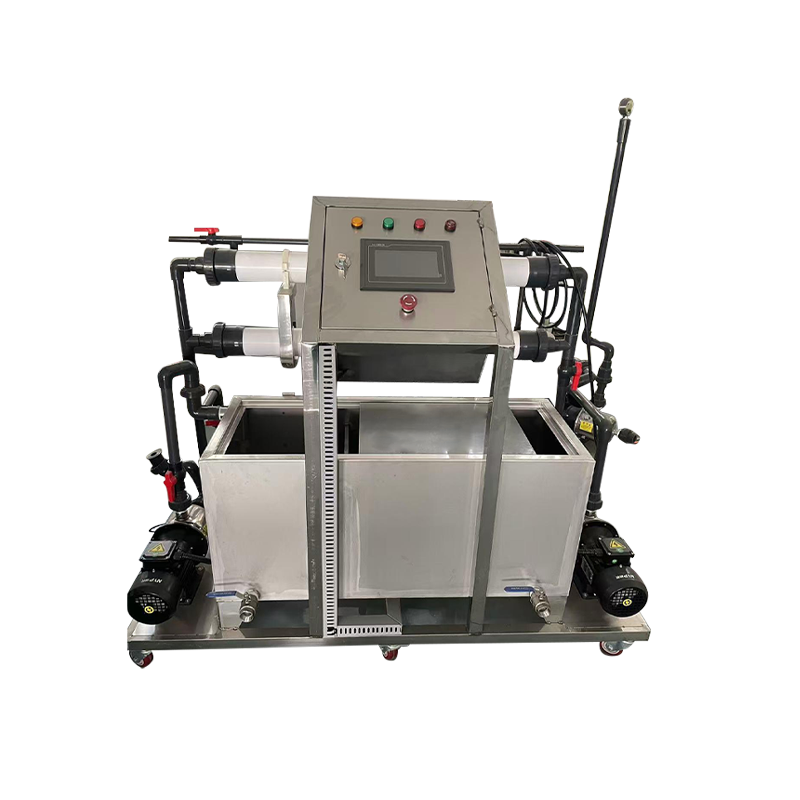
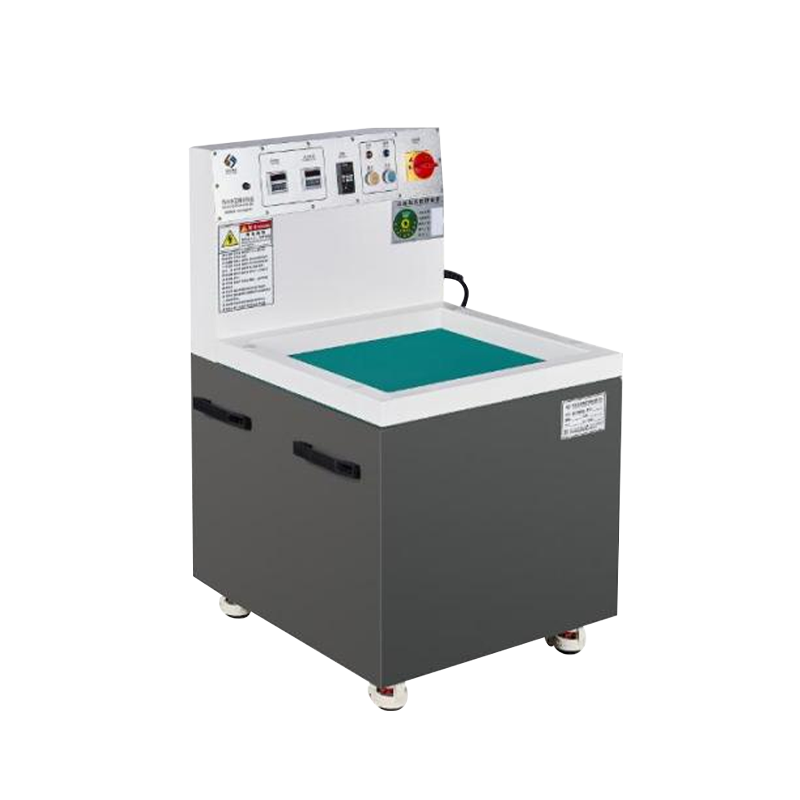
The deburring and polishing loop is the dirtiest point in the process. Magnetic polishing machines circulate water with stainless steel pins and abrasive media, and over time the bath fills with metal fines and spent compound. A circulation and purification system keeps that bath working longer, reduces how often operators dump and refill tanks, and protects the pump and magnetic drive from abrasive sludge.
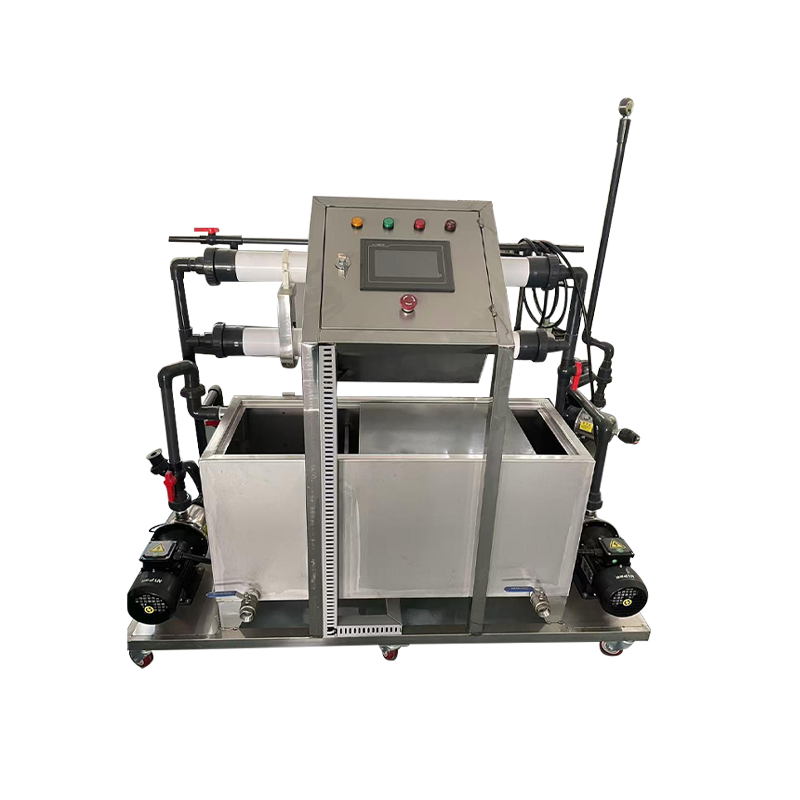 SY-160L/H Industrial Water Circulation & Purification SystemPositioning Eco-Friendly Closed-Loop: The SY-160L/H is a wastewater treatment and reclamation system engineered specifically for precision grinding workshops. Designed...View Product →
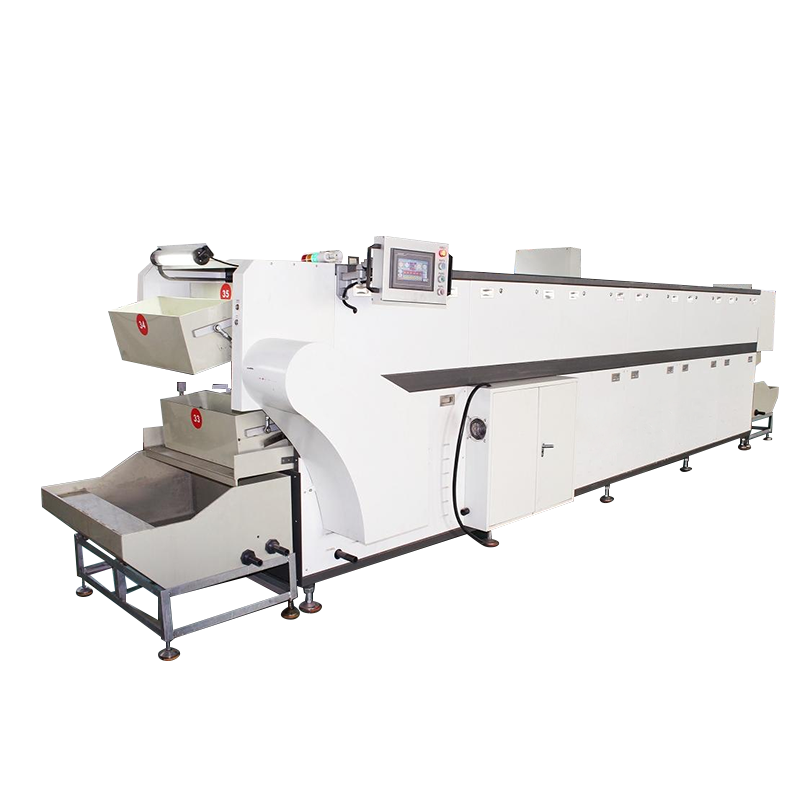
Downstream of polishing comes cleaning. Precision parts demand rinse water that will not leave mineral spots, film or residue inside blind holes and threads. Ultrasonic cleaning performs best when the bath chemistry and water quality stay stable, which is why filtration and water conditioning are usually specified together with the cleaning tank rather than added later.
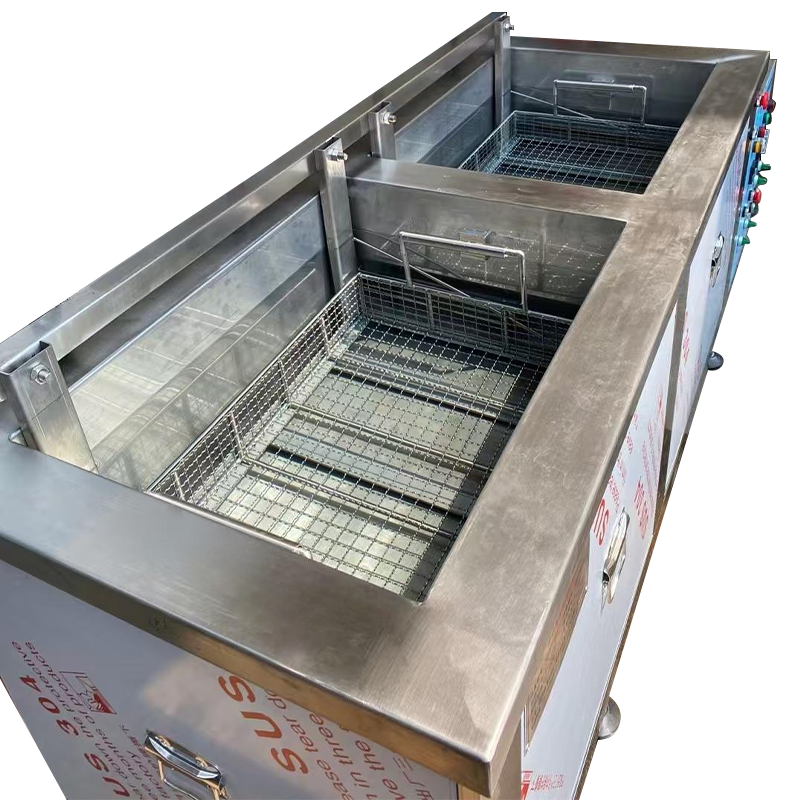 Custom Industrial Precision Ultrasonic Cleaning MachinePositioning Industry Application: This system serves as a critical surface cleanliness solution for high-precision manufacturing sectors. Widely applied in semiconduct...View Product →
Keeping Process Temperatures Steady
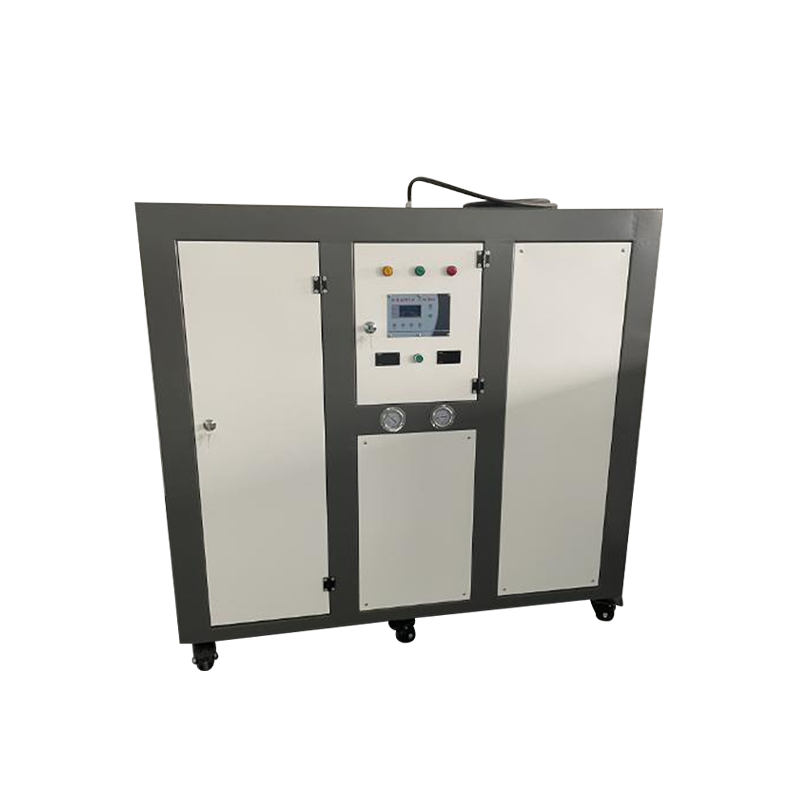
Temperature control is the quiet partner of water treatment. Warm ultrasonic baths clean faster but evaporate quicker and concentrate dissolved solids; overheated cooling water scales up exchangers and forces unplanned shutdowns. A constant-temperature cooling loop stabilises the process, cuts evaporation losses and keeps the whole treatment chain predictable.
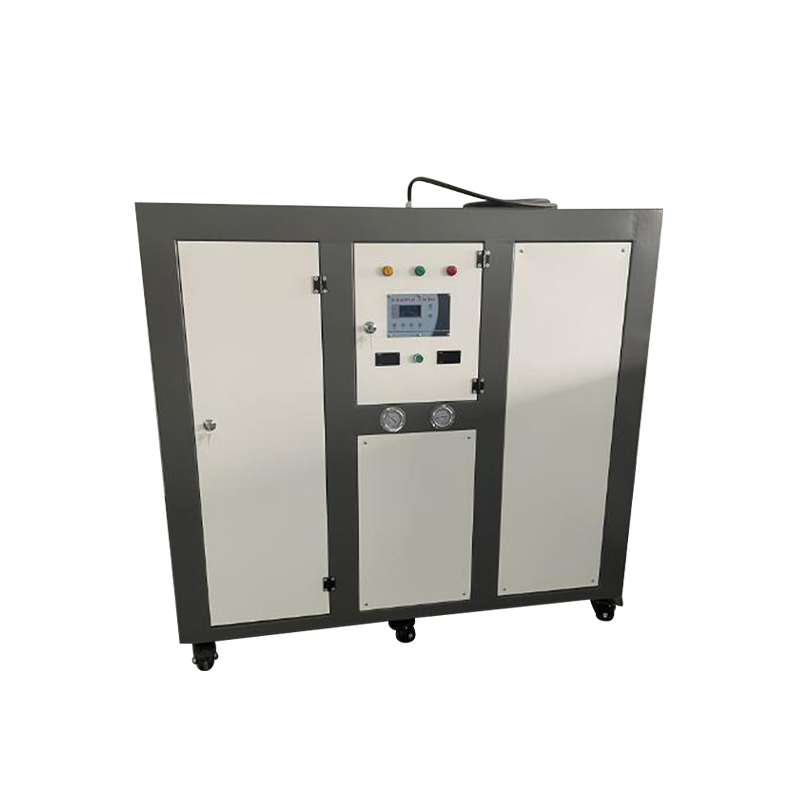 Industrial Circulating Chiller Unit / Constant Temperature Cooling SystemPositioning Thermal Management Solution: This Circulating Chiller is the "thermal control hub" for high-performance magnetic polishing lines. Utilizing a built-in high...View Product →
How to Size and Select a Water Treatment System
Sizing is where most projects succeed or fail. A system that is too small becomes a bottleneck within a month; one that is oversized ties up capital and consumes energy and filter media it never needed. Work through these steps in order.
- Characterise the water. Sample each stream and test for suspended solids, oil content, pH, hardness, conductivity and temperature. Flow rate matters as much as chemistry.
- Define the target. Decide whether the goal is discharge compliance, reuse in a specific process, or both, and record the quality standard that must be met.
- Map the duty cycle. A line running two shifts produces a very different peak load from a single-shift operation, and treatment capacity should follow the peak, not the average.
- Match technology to contaminant. Mechanical filtration for solids, separation for oils and emulsions, membranes or ion exchange for dissolved ions.
- Plan the footprint and utilities. Include space for sludge handling, drain points, power supply and access for maintenance, not just the equipment itself.
- Calculate total cost of ownership. Compare purchase price against water purchase, discharge fees, filter and membrane replacement, energy and downtime over three to five years.
A short pilot trial on a representative water sample is often the cheapest insurance available, especially when the stream contains mixed oils and fine abrasives.
Operating Costs and Maintenance Details That Add Up
Treatment equipment rewards routine attention. Small habits, applied consistently, separate a system that lasts a decade from one that is rebuilt every two years.
- Replace or clean filter media on a schedule driven by pressure differential, not by calendar alone.
- Record membrane performance monthly so fouling is caught before it becomes irreversible.
- Skim tramp oil early; a few litres removed at the surface saves an entire downstream stage.
- Manage sludge properly, since disposal costs frequently exceed the price of the filters that produced it.
- Keep a modest stock of seals, sensors and cartridges so a weekend failure does not stop production on Monday.
Operators should also know what normal looks like. A sudden change in flow, colour, odour or pressure reading is the earliest and cheapest warning a plant will ever get.
Working With the Right Equipment Partner
Because every production line is different, standard catalogue units rarely fit perfectly on the first attempt. A partner who designs, manufactures and supports the full chain — from industrial cleaning and water treatment equipment through polishing and deburring hardware — can align tank volumes, flow rates and control logic to the actual process instead of forcing the process to adapt to off-the-shelf specifications.
It also helps to see how other facilities approached the same decision. Practical guidance on evaluating capacity, chemistry and payback is available in this article on how to pick the right water treatment system, which walks through the trade-offs between upfront cost and long-term operating expense.
Industrial water treatment equipment is best understood as process infrastructure rather than a compliance expense. When filtration, separation, membrane polishing and temperature control are planned together with the polishing and cleaning stages they serve, the result is longer bath life, cleaner parts, lower water and sewer costs, and fewer unexpected stoppages.
Start with a clear picture of your water, a realistic target for its quality, and a partner willing to size the system around your production rather than around a catalogue page. The payback usually arrives faster than expected.