 en
en English
 中文简体
中文简体 Español
 русский
 Français
 عربى
عربى Deutsch
 Português
 日本語
日本語 한국어
한국어 italiano
Shengya
Shengya
Shengya
Shengya
Shengya
Shengya
Shengya
Shengya
Shengya
A magnetic polishing machine can take a batch of rough, freshly machined small parts and turn them into smooth, burr-free, mirror-finished pieces in a matter of minutes, all without a single drop of abrasive media touching the operator's hands. This technology has become a go-to solution for jewelry makers, medical device manufacturers, and precision parts producers who need consistent surface finishing without the labor and mess of traditional tumbling or hand polishing. This article explains how magnetic polishing machines work, what they're best suited for, how to choose the right model, and how to get the most out of one once it's on the shop floor.
How a Magnetic Polishing Machine Works
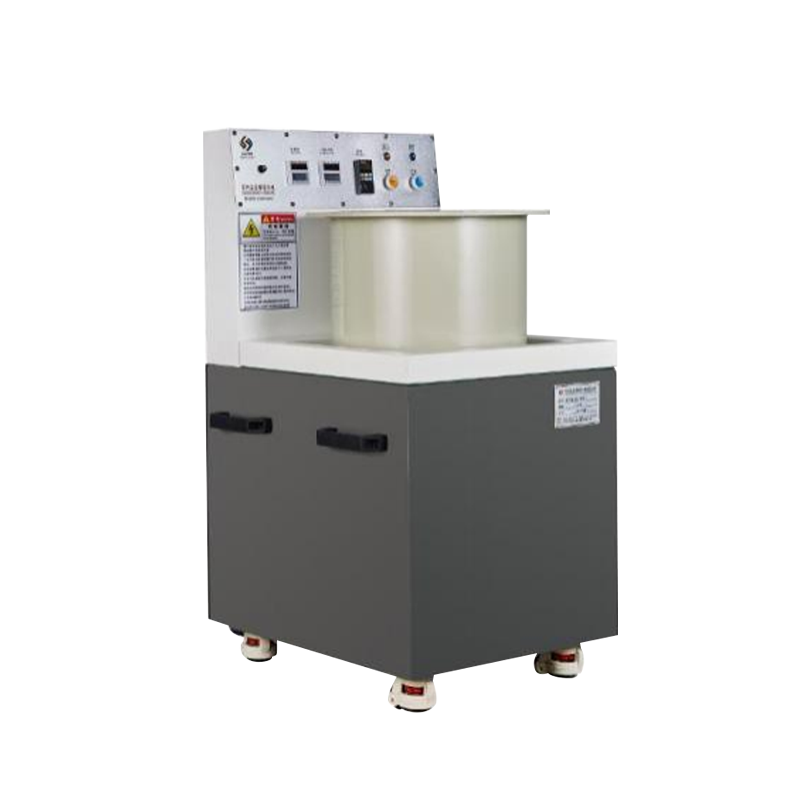
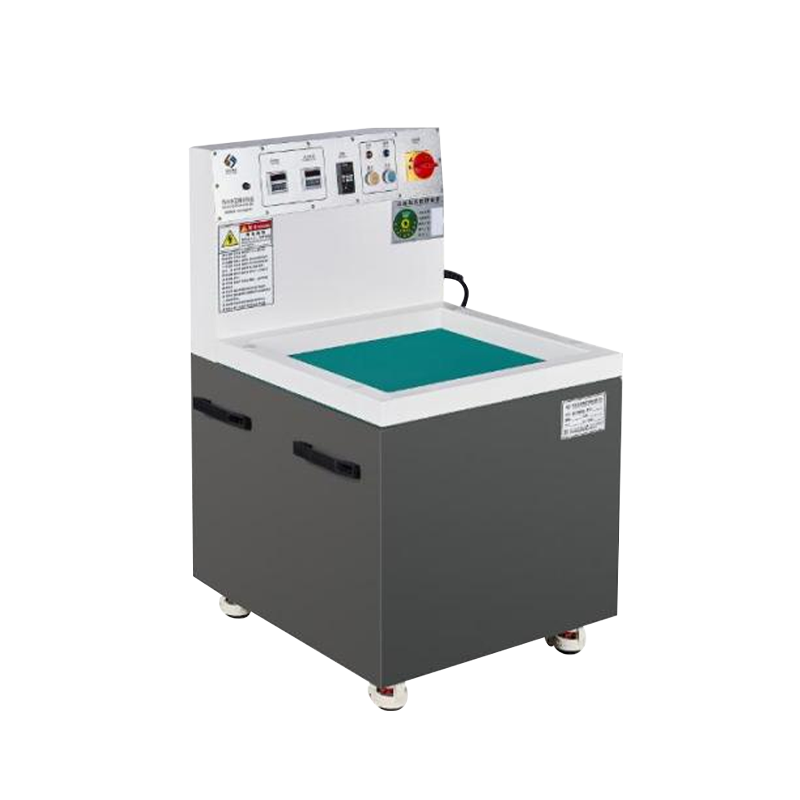
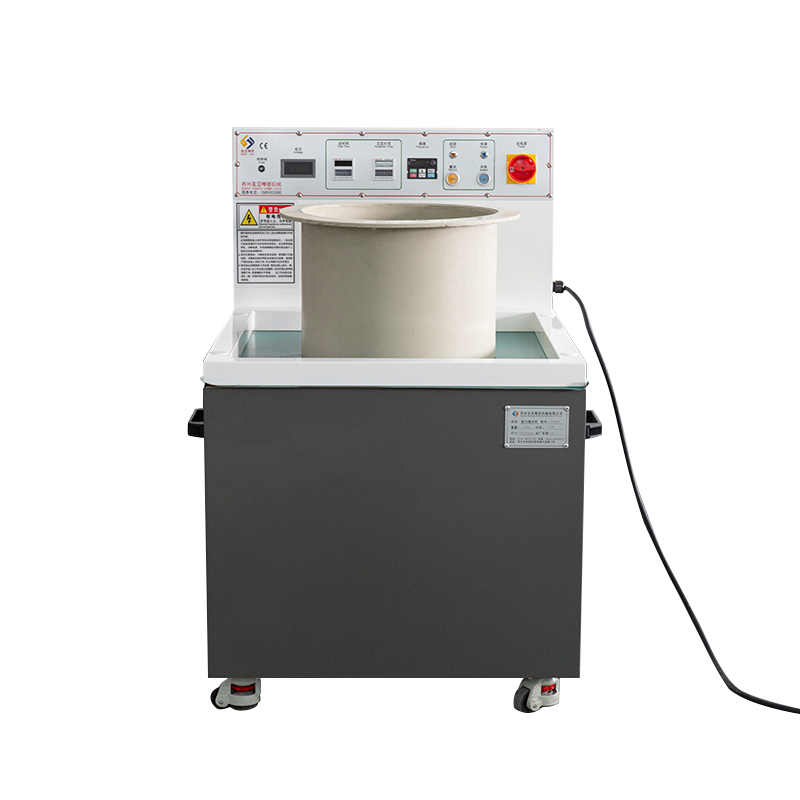
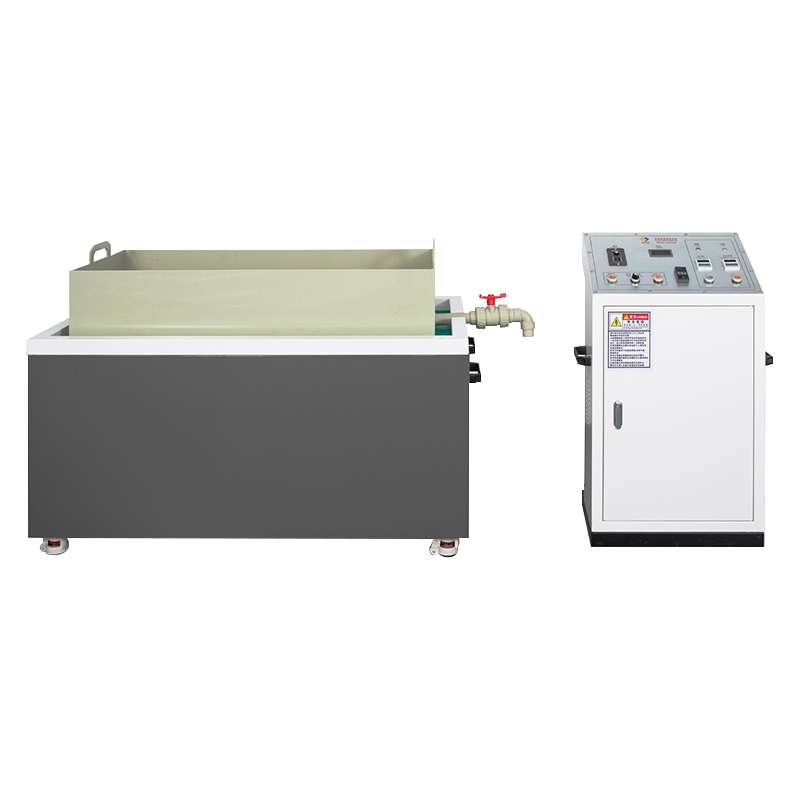
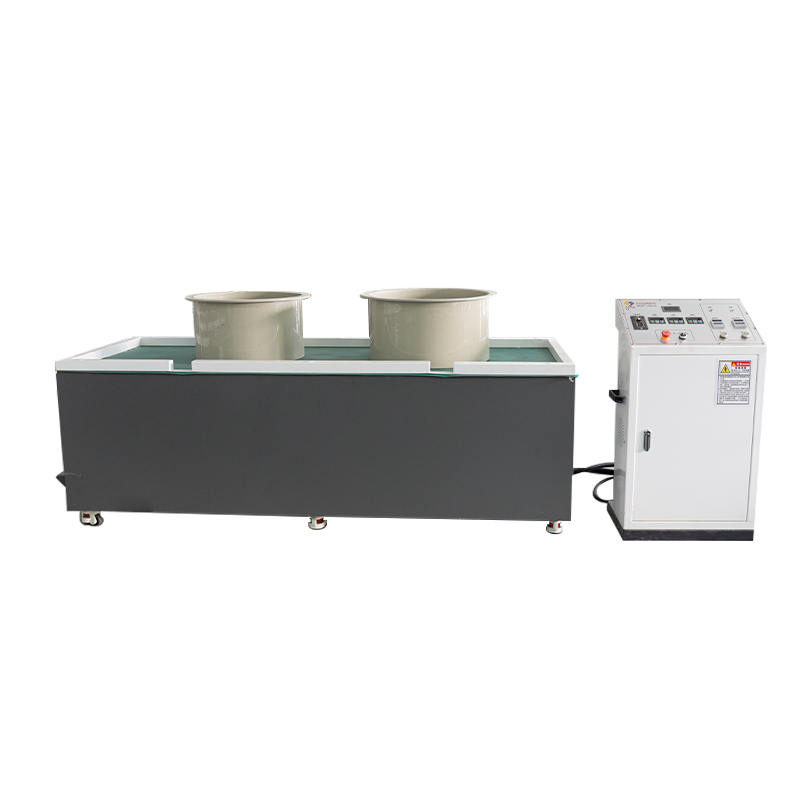
A magnetic polishing machine uses a rotating magnetic field, generated beneath or around a non-magnetic polishing chamber, to agitate small stainless steel needles or pins placed inside that chamber along with the parts being finished. As the magnetic field spins, it drives the steel pins into rapid, tumbling motion. These pins brush against every surface, edge, and crevice of the parts loaded into the chamber, removing burrs, smoothing rough edges, and polishing surfaces through constant abrasive contact.
Unlike vibratory or rotary tumblers that rely on the tumbling action of media and gravity, a magnetic polisher's pins are actively driven by the magnetic field itself, which allows the pins to reach into small holes, slots, and recessed features that gravity-based tumbling media often can't access. This is why magnetic polishing has become especially popular for parts with intricate geometry, such as jewelry chains, small medical components, and electronic connector pins, where traditional finishing methods struggle to reach every surface evenly.
Key Components of a Magnetic Polishing System
Understanding what's inside a magnetic polishing machine makes it easier to operate one correctly and troubleshoot any performance issues that come up during regular use.
| Component | Function |
| Rotating Magnetic Plate | Generates the spinning magnetic field that drives the pins |
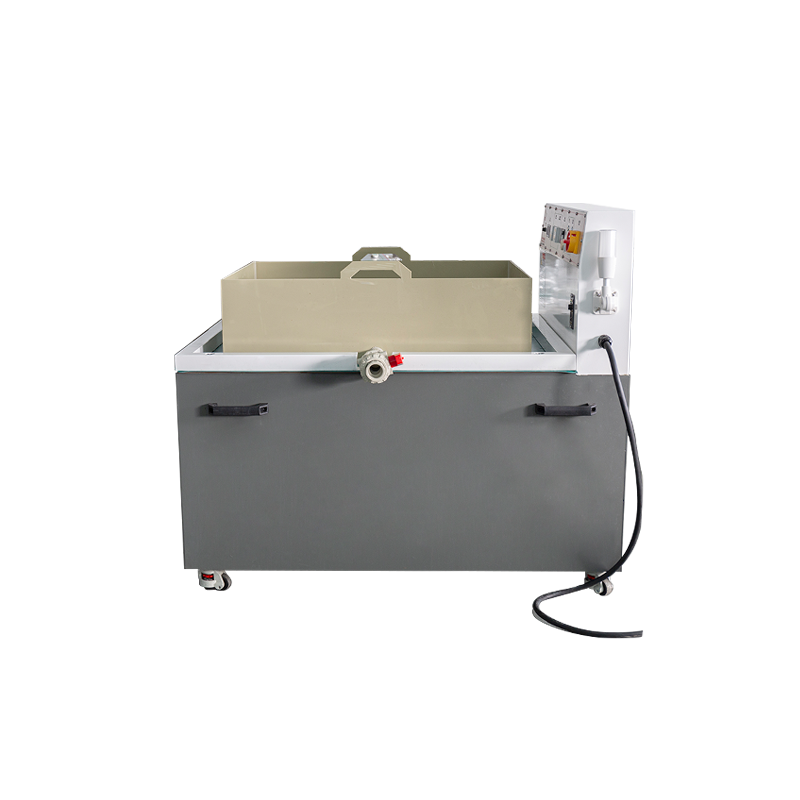
| Polishing Chamber (Drum) | Non-magnetic container that holds parts, pins, and compound |
| Stainless Steel Pins/Needles | Abrasive media that physically polishes and deburrs the parts |
| Speed Controller | Adjusts rotational speed of the magnetic field for different materials |
| Timer | Controls polishing cycle duration for repeatable results |
Industries and Applications That Rely on Magnetic Polishing
Magnetic polishing machines have found a home across several industries where small, intricate parts need consistent, gentle, high-quality finishing.
- Jewelry manufacturing, for polishing chains, rings, and small cast pieces to a high shine
- Medical device production, for deburring and polishing surgical instruments and implant components
- Electronics manufacturing, for cleaning and polishing connector pins and small stamped parts
- Watchmaking, for finishing small gears, cases, and other precision components
- Firearms and hardware manufacturing, for deburring small machined parts before assembly
Magnetic Polishing Versus Traditional Tumbling Methods
Many manufacturers weighing finishing equipment options want to know how magnetic polishing actually compares to vibratory tumblers or rotary tumblers, since all three methods are common in small parts finishing.
| Feature | Magnetic Polisher | Vibratory/Rotary Tumbler |
| Cycle Time | Minutes | Hours |
| Reach Into Small Features | Excellent | Limited |
| Noise Level | Quiet | Often loud |
| Best Part Size | Small to very small parts | Small to medium parts |
| Media Type | Stainless steel pins | Ceramic, plastic, or steel media |
The biggest advantage of magnetic polishing is speed combined with the ability to finish complex geometry evenly, while traditional tumbling remains useful for larger batches of simpler-shaped parts where cycle time matters less than raw throughput volume.
How to Choose the Right Magnetic Polishing Machine
Selecting the right machine depends on the size of parts being processed, production volume, and the type of finish required. A few specifications deserve close attention before purchasing.
Chamber Size and Capacity
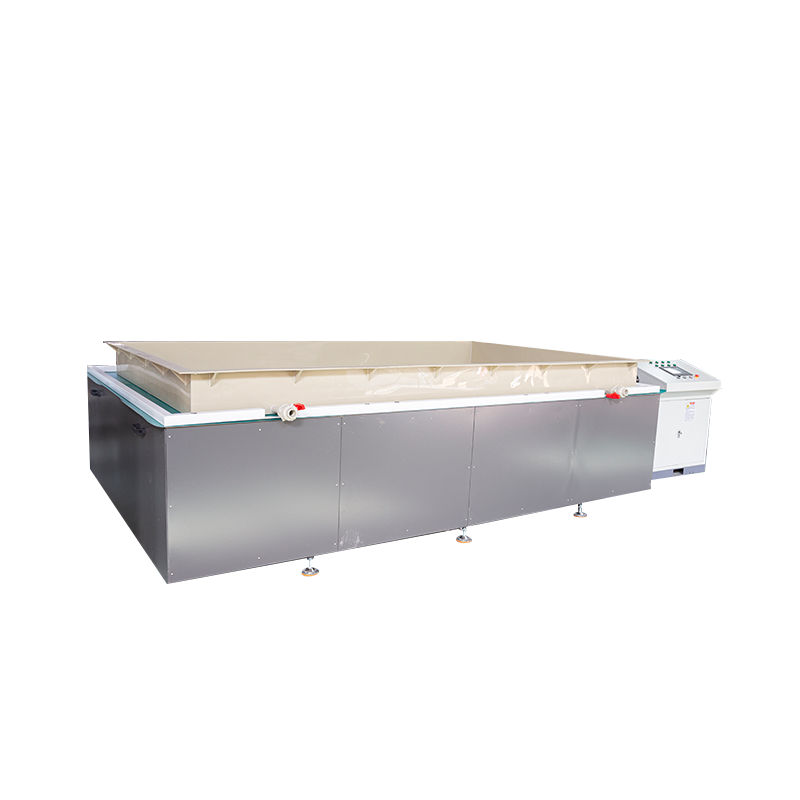
Magnetic polishers come in a range of chamber sizes, from small benchtop units suited to jewelry studios processing a handful of pieces at a time, to larger industrial units capable of handling production batches of hundreds of small parts per cycle. Matching chamber size to actual batch volume avoids wasted cycle time on too-small batches or overcrowding that reduces polishing quality.
Magnetic Field Strength and Speed Range
Stronger magnetic fields and a wider adjustable speed range give more control over how aggressively the pins agitate against the parts. Delicate materials or thin-walled parts typically need lower speeds and gentler agitation, while tougher metals with heavier burrs benefit from higher field strength and faster rotation.
Pin Size Compatibility
Different pin sizes and shapes produce different finishing results, with finer pins reaching into smaller recesses and coarser pins removing material faster on larger burrs. A versatile machine should accommodate multiple pin sizes so the same unit can handle a range of part types and finishing goals.
Getting the Best Results from a Magnetic Polishing Machine
Even with the right machine, results depend heavily on how it's operated. A few practical adjustments can make a noticeable difference in finish quality and consistency.
- Use the correct pin size for the part geometry, favoring finer pins for intricate or small parts
- Add a small amount of polishing compound or water-based solution to improve shine and reduce friction heat
- Avoid overloading the chamber, since too many parts at once can reduce pin movement and uneven results
- Run a short test cycle on a sample part before committing a full batch, especially with new materials
- Separate parts by material type when possible, since mixing metals can cause unwanted material transfer
- Clean and dry pins after each cycle to prevent rust and maintain consistent polishing performance
Maintenance Tips to Extend Machine Life
A magnetic polishing machine has relatively few moving parts compared to mechanical tumblers, but the components it does have still need regular attention to keep performance consistent over years of use.
- Dry the polishing chamber thoroughly after each use to prevent corrosion of the pins and chamber surface
- Replace pins once they become bent, clumped, or significantly worn down, since damaged pins reduce polishing quality
- Check the rotating magnetic plate periodically for unusual noise or vibration that could signal bearing wear
- Keep the machine's exterior and control panel free of dust and polishing compound buildup
- Follow the manufacturer's recommended duty cycle to avoid overheating the motor during long production runs
Final Thoughts on Magnetic Polishing Machines
A magnetic polishing machine offers a fast, consistent, and surprisingly gentle way to deburr and polish small, intricate parts that would otherwise require tedious hand finishing or long tumbling cycles. By choosing the right chamber size, pin type, and speed settings for the specific parts being processed, and by keeping up with basic maintenance, manufacturers and hobbyists alike can get reliable, high-quality finishes batch after batch. For anyone working with small metal components where surface finish matters, a magnetic polisher is well worth the investment in both time saved and quality gained.