 en
en English
 中文简体
中文简体 Español
 русский
 Français
 عربى
عربى Deutsch
 Português
 日本語
日本語 한국어
한국어 italiano
Shengya
Shengya
Shengya
Shengya
Shengya
Shengya
Shengya
Shengya
Shengya
What Is a Custom-Made Deburring Polisher Used For?
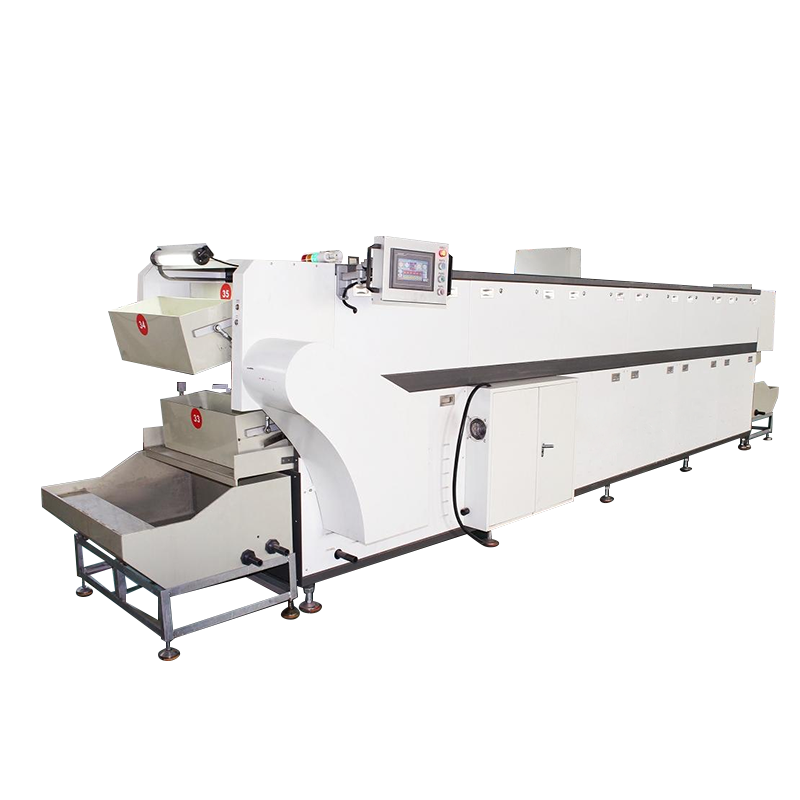
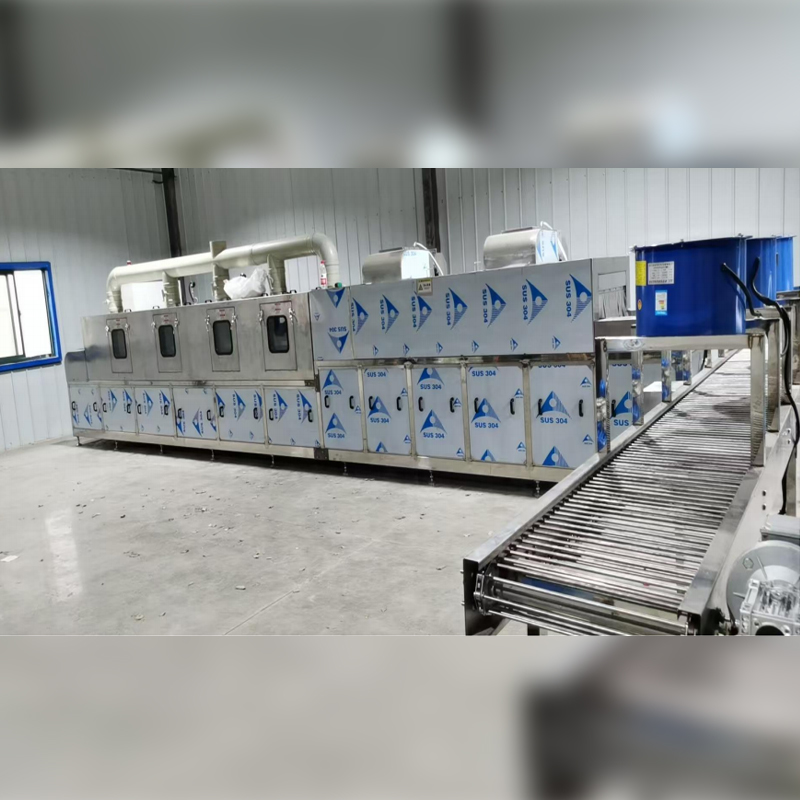
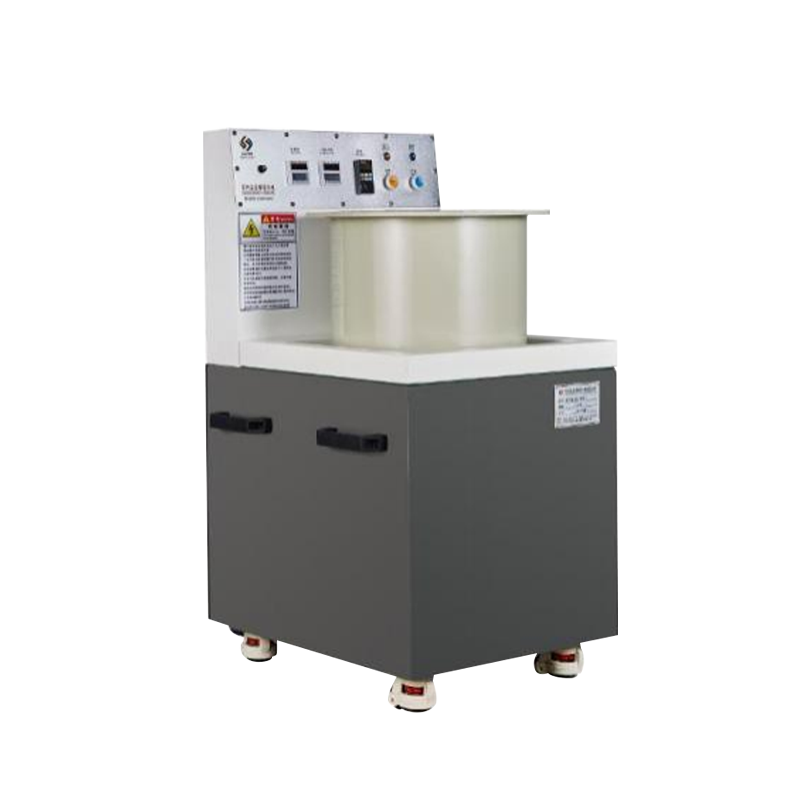
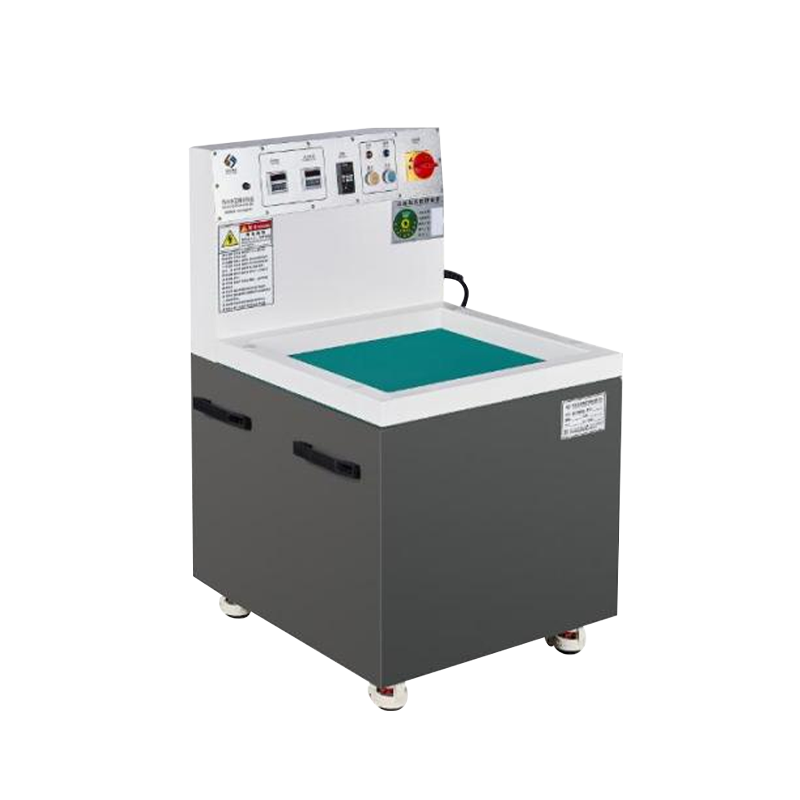
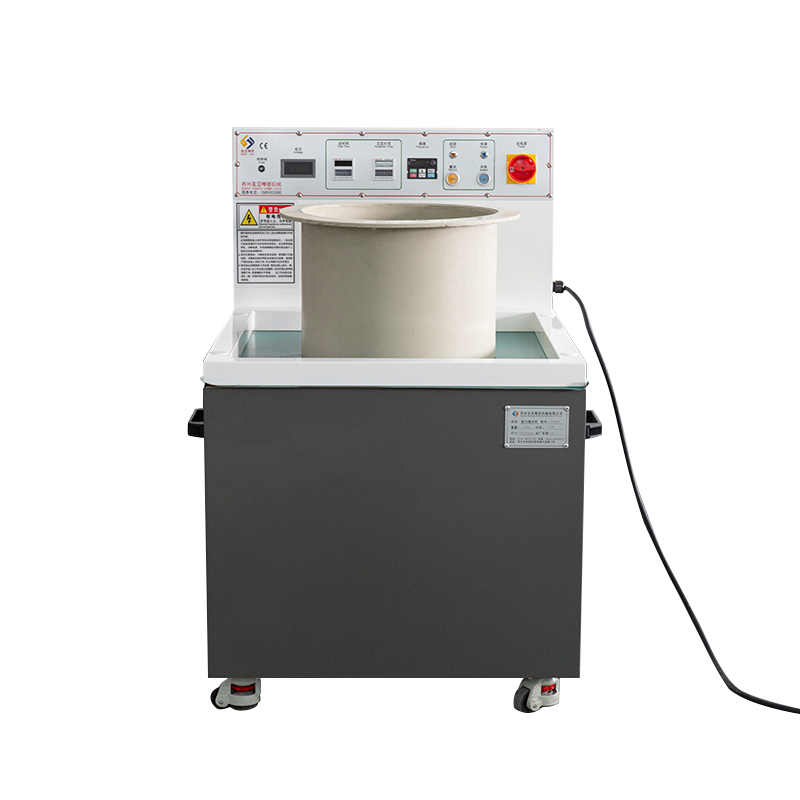
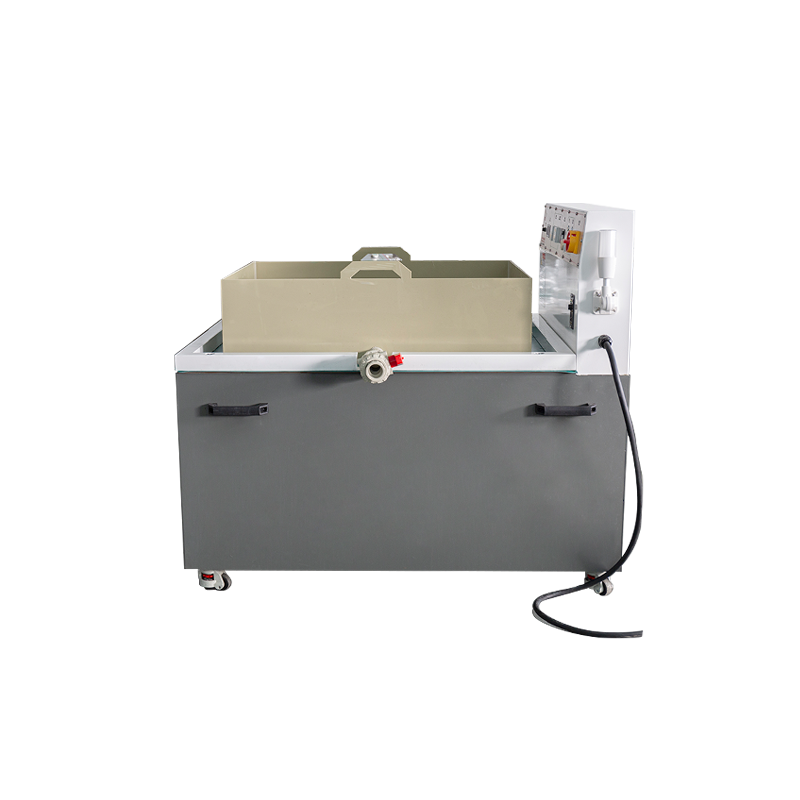
A custom-made deburring polisher is a specialized piece of equipment designed to remove burrs, sharp edges, and surface imperfections left behind after machining, casting, or stamping processes, while also giving the finished part a smooth, polished surface. Unlike standard off-the-shelf deburring machines, a custom-built unit is engineered around the specific dimensions, materials, and production volume of a particular part or product line. This makes it especially valuable for manufacturers dealing with irregularly shaped components, tight tolerances, or unusual materials that generic machines struggle to process consistently.
These machines are commonly used in industries like automotive parts manufacturing, aerospace components, medical device production, and metal fabrication, where consistency and precision directly affect product safety and performance. A custom deburring polisher can be configured with specific brush types, abrasive belts, or polishing wheels tailored to the exact material being processed, whether that's stainless steel, aluminum, brass, or specialty alloys.
Signs You Need a Custom Deburring and Polishing Solution
Not every manufacturing operation needs a custom-built machine right away. Many businesses start with standard equipment and only realize a custom solution is necessary once specific production challenges start slowing things down or affecting quality.
- Parts have complex geometries, curves, or recessed areas that standard machines can't reach effectively.
- Production volume is high enough that manual deburring is creating a bottleneck in the workflow.
- Surface finish requirements are stricter than what generic equipment can consistently achieve.
- Material being processed is unusual or sensitive, requiring specific abrasive types or pressure settings.
- Existing equipment requires excessive manual adjustment between batches, reducing overall efficiency.
Key Design Factors That Shape a Custom Deburring Polisher
Building a custom-made deburring polisher involves far more than just scaling up a standard machine. Several engineering decisions need to align with the specific parts and production goals of the business ordering the equipment.
Part Geometry and Material
The shape, size, and material composition of the parts being processed dictate the type of brushes, belts, or wheels used in the machine. Soft materials like aluminum require gentler abrasives to avoid excessive material removal, while harder metals like stainless steel may need more aggressive polishing components to achieve the desired finish within a reasonable cycle time.
Production Volume and Cycle Time
Manufacturers processing thousands of parts per day need machines built for continuous operation with minimal downtime, often incorporating automated part feeding and unloading systems. Lower-volume operations may prioritize flexibility and quick changeover between different part types over raw throughput speed.
Automation Level
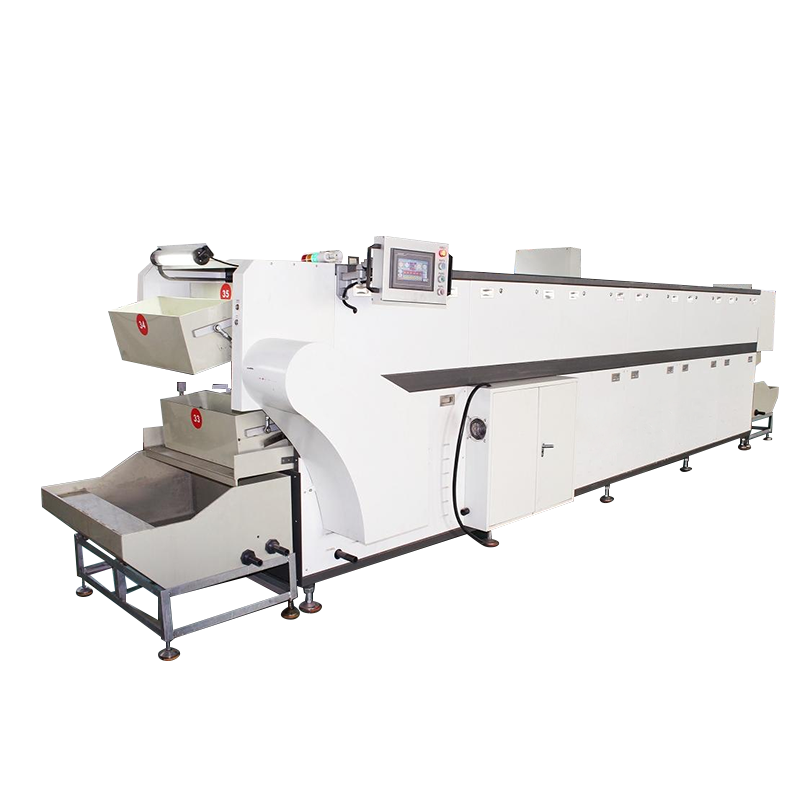
Custom deburring polishers can range from semi-automatic machines that still require an operator to load and position parts, to fully automated systems integrated with robotic arms and conveyor systems. The right level of automation depends on labor costs, production volume, and how much variation exists between different part batches.
Comparing Standard vs Custom-Made Deburring Polishers
Deciding between a standard machine and a custom-built solution often comes down to weighing upfront cost against long-term efficiency gains. The table below outlines the main differences to consider.
| Factor | Standard Machine | Custom-Made Machine |
| Upfront Cost | Lower | Higher |
| Fit for Complex Parts | Limited | Excellent |
| Lead Time | Short (in stock) | Several weeks to months |
| Long-Term Efficiency | Moderate | High |
What to Expect During the Custom Ordering Process
Ordering a custom-made deburring polisher typically involves close collaboration between the manufacturer and the equipment supplier to ensure the final machine meets exact production needs. Understanding this process helps set realistic expectations for timelines and costs.
Initial Consultation and Sample Testing
Most custom equipment builders start by requesting sample parts to run through test configurations, helping determine the ideal abrasive types, pressure settings, and cycle times before committing to a final design. This step is critical for avoiding costly redesigns after the machine is built.
Engineering and Design Approval
Once testing confirms the right approach, the supplier typically provides detailed engineering drawings and specifications for approval. This stage allows the manufacturer to request adjustments before fabrication begins, reducing the risk of mismatches between expectations and the final product.
Installation and Operator Training
After the machine is built and delivered, most suppliers provide on-site installation support along with training for operators and maintenance staff. Proper training at this stage helps prevent early operational issues and ensures the equipment performs at its intended capacity from day one.
Maintaining a Custom Deburring Polisher for Long-Term Performance
Even a well-designed custom deburring polisher requires ongoing maintenance to keep performance consistent over time. Skipping routine upkeep can lead to uneven finishes, increased part rejection rates, and shortened equipment lifespan.
- Inspect and replace worn brushes, belts, or polishing wheels according to the manufacturer's recommended schedule.
- Clean debris and metal dust buildup regularly to prevent contamination of the polishing surfaces.
- Check alignment and calibration periodically, especially after processing unusually shaped batches.
- Keep a log of maintenance activities to track wear patterns and predict future part replacements.