 en
en English
 中文简体
中文简体 Español
 русский
 Français
 عربى
عربى Deutsch
 Português
 日本語
日本語 한국어
한국어 italiano
Shengya
Shengya
Shengya
Shengya
Shengya
Shengya
Shengya
Shengya
Shengya
What Is a Magnetic Abrasive Polishing Machine and How Does It Work?
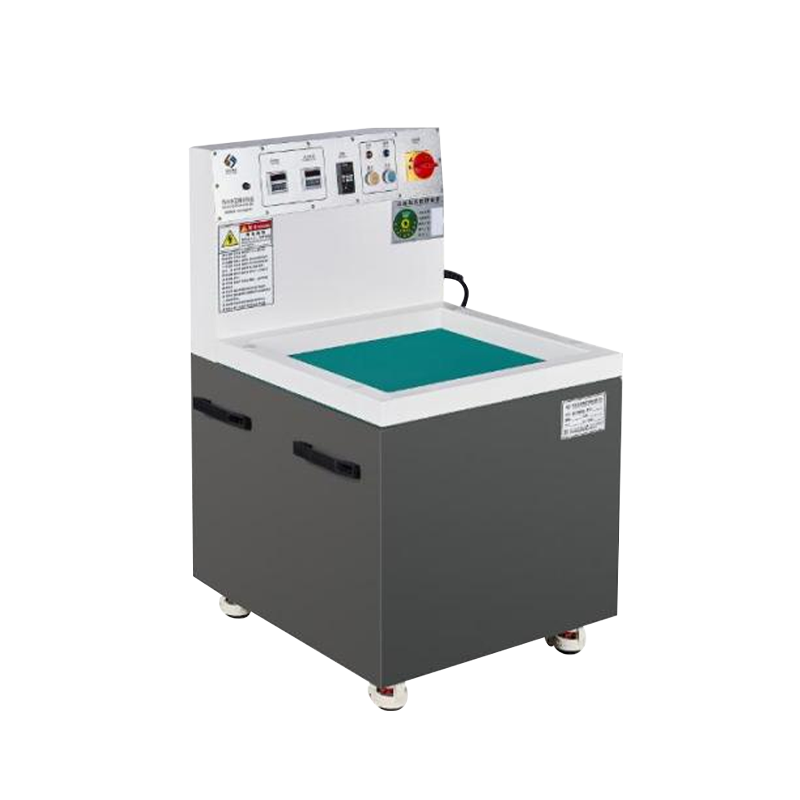
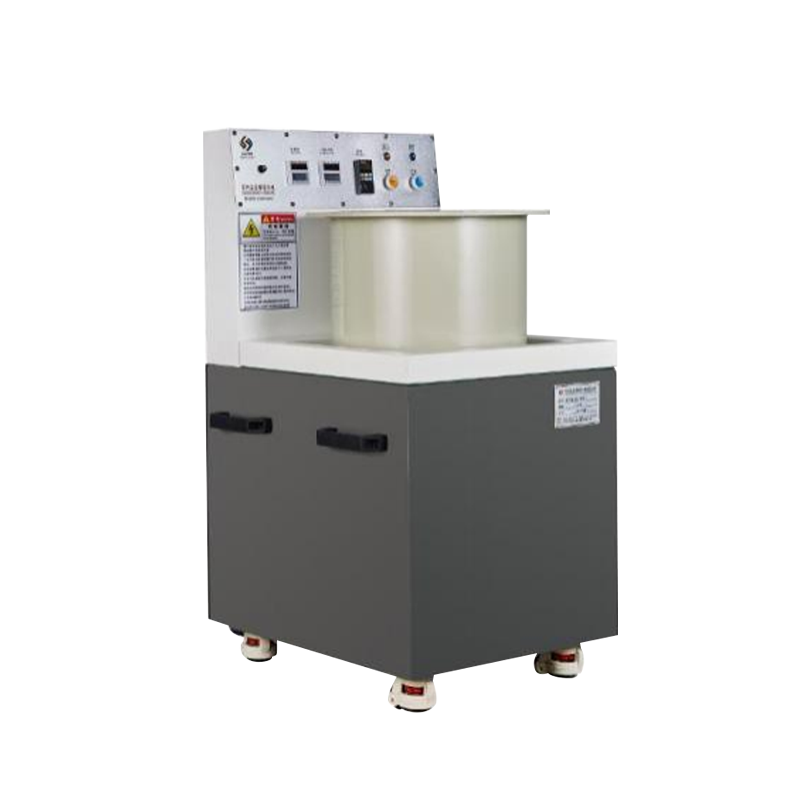
A magnetic abrasive polishing machine is a precision surface finishing system that uses magnetic force to control the movement and pressure of abrasive particles against a workpiece surface. Unlike conventional grinding or polishing machines that apply abrasive tools through mechanical contact, a magnetic abrasive finishing machine suspends ferromagnetic abrasive particles in a magnetic field generated by rotating permanent magnets or electromagnets. The magnetic field organizes these particles into a flexible, brush-like cutting tool that conforms to the geometry of the workpiece — including complex curves, internal bores, and irregular contours that rigid abrasive tools simply cannot reach.
The process is known by several names in manufacturing — magnetic abrasive finishing (MAF), magneto-abrasive polishing, or magnetic field-assisted polishing — but all refer to the same core technology. The workpiece is placed within or adjacent to the magnetic field zone, and as the magnetic abrasive particles rotate under the influence of the field, they remove microscopic amounts of material from the surface, progressively reducing roughness until a mirror-like finish is achieved. The pressure applied by the abrasive particles is directly controlled by the magnetic field strength, giving the operator precise control over material removal rate and final surface quality without the risk of over-polishing or surface damage from excessive mechanical force.
The Science Behind Magnetic Abrasive Finishing
To understand why magnetic abrasive polishing machines produce such exceptional results — particularly on difficult geometries — it helps to understand the mechanics of the process at a fundamental level. The key to the technology is the behavior of magnetic abrasive particles (MAPs) in an applied magnetic field.
Magnetic abrasive particles are composite materials consisting of a ferromagnetic matrix — typically iron or iron alloy — bonded with hard abrasive grains such as aluminum oxide (Al₂O₃), silicon carbide (SiC), cubic boron nitride (CBN), or diamond. When placed in a magnetic field, the ferromagnetic component aligns with the field lines, and the particles link together into flexible chains oriented along the field direction. These chains form what is effectively a compliant polishing brush that presses against the workpiece surface with a force determined entirely by the magnetic field strength.
As the magnetic field rotates — either by rotating the magnet assembly or by rotating the workpiece — the abrasive chains sweep across the surface, each abrasive grain making thousands of micro-cuts per second. Because the chains are flexible rather than rigid, they naturally conform to surface contours, reaching into recesses, around curves, and into bore interiors that would be inaccessible to conventional abrasive tools. The result is uniform material removal across complex surfaces without the geometric distortion or edge rounding associated with mechanical polishing methods.
Types of Magnetic Abrasive Polishing Machines
Magnetic abrasive finishing equipment comes in several configurations, each optimized for different workpiece geometries and production environments. Understanding the main types helps you identify which configuration suits your application.
Rotating Magnetic Field Machines for Flat and Cylindrical Surfaces
The most common configuration positions a rotating permanent magnet or electromagnet assembly above and below the workpiece. As the magnet assembly rotates, the magnetic abrasive particles on the workpiece surface are driven in a complex orbital motion, polishing the surface uniformly. This setup is well-suited to flat plates, sheet metal surfaces, and disc-shaped components. The working gap between the magnet and workpiece surface — typically 1mm to 5mm — determines the magnetic flux density at the surface and is a critical process parameter. Flat surface magnetic polishing machines of this type routinely achieve surface roughness values of Ra 0.01 µm or better on ferromagnetic and non-ferromagnetic metals alike.
Internal Bore Polishing Machines
Finishing the internal surfaces of tubes, pipes, hydraulic cylinders, and gun barrels presents a significant challenge for conventional polishing methods. Magnetic abrasive bore polishing machines address this by placing a magnetic abrasive mixture inside the bore and positioning an external rotating magnet assembly around the outside of the tube. The magnetic field penetrates the tube wall and drives the internal abrasive particles in a controlled orbital motion against the bore surface. This approach works on both magnetic and non-magnetic tube materials — the abrasive particles respond to the field regardless of whether the tube itself is ferromagnetic — and can polish internal diameters from as small as 1.5mm up to several hundred millimeters.
Electromagnet-Based Precision Polishing Machines
Research-grade and high-precision production machines often use electromagnets rather than permanent magnets. Electromagnets allow the field strength to be varied continuously by adjusting the coil current, giving the operator real-time control over abrasive pressure without changing the physical setup. This is particularly valuable when polishing delicate components where the risk of over-removal is high, or when processing multiple materials with different hardness values on the same machine. Variable-field electromagnet polishing machines are more expensive and require more sophisticated control systems, but they offer a level of process flexibility that permanent magnet machines cannot match.
CNC-Integrated Magnetic Finishing Systems
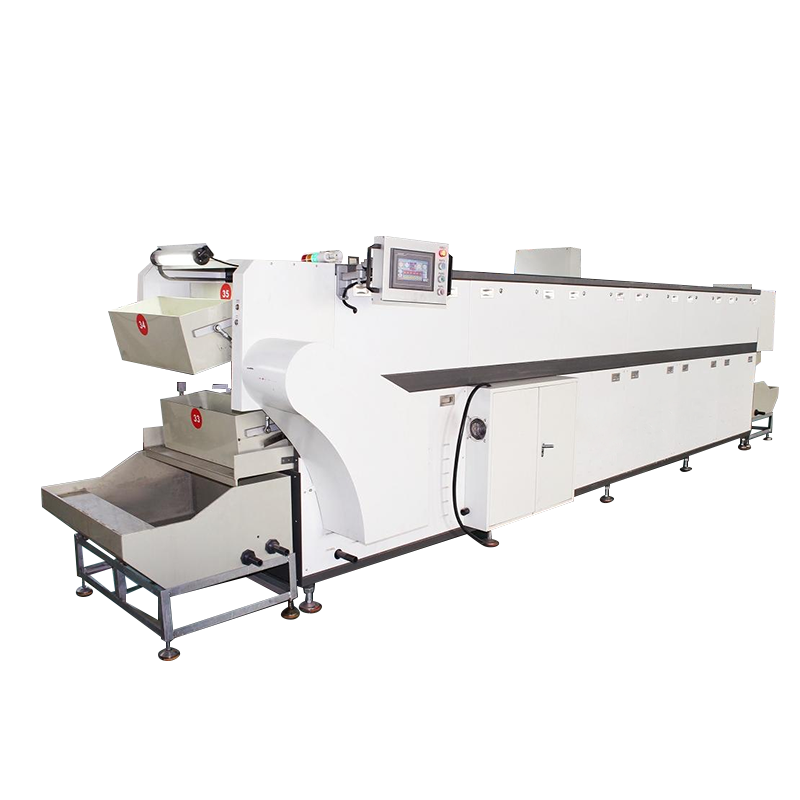
Modern production environments increasingly integrate magnetic abrasive finishing heads into CNC machining centers or robotic systems. The magnet assembly is mounted on the machine spindle or robot arm, and the workpiece or magnet is moved through a programmed path while the magnetic abrasive particles polish the surface. This integration enables automated finishing of complex three-dimensional components — turbine blades, orthopedic implants, optical mold inserts — with consistent results and without manual intervention between machining and finishing operations.
Key Specifications to Evaluate When Choosing a Magnetic Polishing Machine
When comparing magnetic abrasive finishing machines from different manufacturers, these are the technical parameters that most directly determine whether a machine will meet your process requirements:
| Specification | Typical Range | Why It Matters |
| Magnetic Flux Density | 0.1 – 1.5 Tesla | Controls abrasive particle pressure and material removal rate |
| Magnet Rotation Speed | 100 – 3,000 RPM | Determines surface velocity of abrasive and polishing aggressiveness |
| Working Gap | 0.5 – 10 mm | Adjusts effective field strength at workpiece surface |
| Achievable Surface Roughness | Ra 0.005 – 0.1 µm | Defines the finest finish the machine can produce |
| Workpiece Size Capacity | Varies widely by model | Must accommodate your largest production component |
| Compatible Materials | Steel, aluminum, titanium, ceramics, glass | Determines whether the machine suits your material range |
| Abrasive Particle Size | 10 µm – 500 µm | Coarser particles remove more material; finer particles achieve smoother finish |
| Field Type | Permanent magnet or electromagnet | Electromagnet allows variable pressure control; permanent magnet is simpler |
Materials That Magnetic Abrasive Finishing Machines Can Process
One of the most significant advantages of magnetic abrasive polishing over conventional finishing methods is the ability to process a very wide range of materials — including many that are notoriously difficult to finish by other means. The process works on both ferromagnetic and non-ferromagnetic materials, because it is the abrasive particles that respond to the magnetic field, not the workpiece itself.
- Hardened Tool Steels and Die Steels: High-hardness steels (HRC 60+) that would rapidly wear conventional abrasive tools are efficiently processed by magnetic abrasive finishing using CBN or diamond abrasive particles. The light, controlled cutting action prevents thermal damage to the hardened surface — a common problem with aggressive mechanical polishing of hard steels.
- Stainless Steel: Achieving the mirror-polished surfaces required in food processing, medical, and pharmaceutical applications on stainless steel components is a primary application area for magnetic abrasive polishing machines. The process produces finishes that meet or exceed hygiene standards for bacteria-trap-free surfaces.
- Titanium and Titanium Alloys: Titanium's tendency to work-harden and its poor thermal conductivity make it challenging to finish by conventional methods without introducing surface damage. Magnetic abrasive finishing's light, distributed cutting action is ideally suited to titanium, producing smooth surfaces without the subsurface stress or smearing that grinding and mechanical polishing can cause.
- Aluminum and Aluminum Alloys: Aerospace and automotive components in aluminum alloy can be polished to decorative or functional finishes using magnetic abrasive techniques. The process avoids the loading of soft aluminum into abrasive wheels that plagues conventional polishing of this material.
- Ceramics and Advanced Technical Materials: Silicon nitride, zirconia, and alumina ceramic components — used in bearings, cutting tools, and biomedical implants — can be finished to extremely smooth surfaces using diamond magnetic abrasive particles. The gentle, distributed cutting action is particularly important for brittle ceramics where aggressive abrasion would cause surface cracking and strength degradation.
- Glass and Optical Materials: Optical-quality surfaces on glass lenses, mirrors, and windows can be produced using very fine magnetic abrasive particles. The process is especially valuable for finishing complex optical surfaces that cannot be polished by conventional pitch lapping due to their geometry.
Industries and Applications Where Magnetic Abrasive Polishing Machines Deliver the Most Value
Magnetic abrasive finishing has moved well beyond the research laboratory and is now an established production technology in several high-value manufacturing sectors. Here's where the technology is making the biggest impact:
Medical Device and Orthopedic Implant Manufacturing
Orthopedic implants — hip cups, knee condyles, spinal fusion cages — must meet extremely tight surface finish specifications to minimize wear particle generation, promote osseointegration, and prevent bacterial colonization. Magnetic abrasive polishing machines can finish complex implant geometries including curved articulating surfaces and internal thread forms to Ra values below 0.05 µm without the geometric distortion that hand polishing introduces. The process is also highly repeatable, which is critical for meeting the documentation requirements of medical device quality systems such as ISO 13485.
Aerospace Component Finishing
Turbine blades, fuel system components, and hydraulic actuator bores in aerospace applications require smooth surfaces to minimize fatigue crack initiation, reduce fluid flow resistance, and meet stringent cleanliness specifications. Magnetic abrasive finishing of titanium and nickel superalloy turbine blades improves fatigue life by introducing beneficial compressive residual stresses in the surface layer during the polishing process — an effect not achievable with purely abrasive methods. Internal bore finishing of hydraulic components reduces surface roughness to levels that significantly extend seal life and reduce internal leakage.
Mold and Die Polishing
Injection molds, die casting dies, and compression molds for optical and consumer products require mirror-quality internal surfaces to produce parts with the required cosmetic finish without release problems. Conventional mold polishing is time-consuming manual work performed by skilled polishers. Magnetic abrasive finishing machines automate much of this process, producing consistent surface finishes on complex mold cavity geometry in a fraction of the time required for hand polishing — while eliminating the surface waviness that hand polishing invariably introduces.
Semiconductor and Electronics Manufacturing
Silicon wafers, optical fiber end faces, and precision electronic component housings require ultra-smooth surfaces measured in nanometers rather than micrometers. Magnetic abrasive polishing with submicron diamond abrasive particles achieves the surface quality levels required for semiconductor wafer processing and optical fiber connectivity without the subsurface damage introduced by conventional CMP (chemical mechanical planarization) or lapping processes.
Magnetic Abrasive Finishing vs. Other Precision Polishing Methods
Understanding how magnetic abrasive polishing compares to alternative finishing technologies helps you make a well-informed decision about whether it's the right process for your application:
| Method | Best Surface Finish | Complex Geometry | Automation | Material Range |
| Magnetic Abrasive Finishing | Ra 0.005 µm | Excellent | High | Very Wide |
| Electrochemical Polishing | Ra 0.01 µm | Good | Medium | Metals only |
| Vibratory Finishing | Ra 0.1 µm | Good (external) | High | Wide |
| Hand Polishing | Ra 0.02 µm | Excellent | None | Wide |
| Abrasive Flow Machining | Ra 0.05 µm | Excellent (internal) | Medium | Wide |
| Laser Polishing | Ra 0.1 µm | Moderate | High | Limited |
Magnetic abrasive finishing stands out because it combines ultra-fine surface finish capability with the ability to process complex three-dimensional geometry in an automated, repeatable process across a very wide range of materials. No other single finishing technology matches this combination of attributes, which explains the growing adoption of magnetic polishing machines across precision manufacturing sectors.
Process Parameters That Control Magnetic Abrasive Finishing Results
Achieving consistent, repeatable results with a magnetic abrasive polishing machine requires careful control of several interdependent process parameters. Understanding how each parameter affects the outcome allows you to optimize the process for your specific application rather than relying on trial and error.
- Magnetic Flux Density: Higher flux density increases the force holding abrasive particles against the workpiece, increasing material removal rate but also the risk of surface scratching from large-scale particle motion. Optimize flux density for the balance between removal rate and final finish quality required by your application.
- Working Gap: The distance between the magnet pole face and the workpiece surface directly determines the effective flux density at the surface. Smaller gaps produce stronger fields and more aggressive cutting. The gap must be carefully controlled and reproduced between workpieces to maintain consistent process results.
- Rotation Speed: Higher magnet or workpiece rotation speeds increase the surface velocity of the abrasive particles and thus the cutting rate. Very high speeds can cause abrasive particles to be flung away from the surface by centrifugal force, reducing efficiency. Optimal speed depends on the magnetic abrasive type, particle size, and working gap.
- Abrasive Particle Type and Size: Diamond and CBN particles are used for hard materials; aluminum oxide and silicon carbide for softer metals and ceramics. Coarser particles (100–500 µm) remove material faster but leave a rougher surface; finer particles (10–50 µm) produce smoother finishes with lower removal rates. A staged process using progressively finer particles gives the best combination of efficiency and final surface quality.
- Abrasive Concentration: The volume fraction of magnetic abrasive particles in the working zone affects both removal rate and finish quality. Too little abrasive reduces cutting efficiency; too much can cause particle agglomeration that reduces the uniformity of the polishing action. Most processes use abrasive concentrations in the range of 30–70% by volume.
- Processing Time: Magnetic abrasive finishing is a progressive process — surface roughness decreases continuously with processing time until an equilibrium finish is reached. Processing beyond this equilibrium point produces no further improvement. Establishing the optimal processing time for each application through initial trials avoids wasted machine time.
- Lubricant or Coolant: A small amount of lubricant or coolant fluid is typically used in magnetic abrasive finishing to carry away debris, prevent thermal damage to sensitive workpieces, and maintain consistent abrasive particle mobility. Water-based coolants are most common; oil-based fluids are used for some ferrous materials to prevent corrosion during processing.
Practical Tips for Getting the Best Results from a Magnetic Abrasive Polishing Machine
Even with a well-specified machine and the right abrasive particles, process discipline is what separates consistent high-quality results from frustrating variability. These practical guidelines apply whether you're setting up a new process or troubleshooting an existing one:
Start with the Correct Pre-Finishing Condition
Magnetic abrasive finishing is a final finishing process, not a stock removal operation. It is most effective when the incoming surface roughness is already in the Ra 0.2–0.8 µm range — typically achieved by fine grinding, milling, or turning before the magnetic polishing step. Attempting to use magnetic abrasive finishing to remove deep machining marks (Ra greater than 1.0 µm) dramatically extends processing time and accelerates abrasive particle wear. Establish a consistent pre-finishing specification for incoming parts and enforce it to keep your magnetic polishing process efficient and predictable.
Replace or Replenish Abrasive Particles Regularly
Magnetic abrasive particles wear during use — the abrasive grains become dull and the ferromagnetic matrix degrades. As particles wear, material removal rate drops and final surface finish quality deteriorates. Establish a regular particle replacement or replenishment schedule based on area of workpiece processed or hours of operation rather than waiting for visible quality degradation. Most manufacturers provide guidelines on particle service life; track your own data to refine these estimates for your specific application and materials.
Control Workpiece Cleanliness Before Processing
Coolant residues, machining chips, and oxide films on the workpiece surface before magnetic abrasive finishing can contaminate the abrasive particles and cause scratching. Clean all workpieces thoroughly — ultrasonic cleaning in aqueous detergent is recommended for precision components — and dry them completely before placing them in the magnetic polishing machine. This single step prevents the most common cause of unexplained scratch defects in magnetic abrasive finishing processes.
Monitor and Maintain the Working Gap Consistently
Small variations in the working gap between the magnet and workpiece surface produce large changes in flux density and thus in material removal rate and final finish. On manually adjusted machines, use feeler gauges or dial indicators to set and verify the gap for each setup. On CNC-integrated systems, confirm that workpiece fixturing is repeatable and that the fixture reference surfaces are clean and free from debris before each run.
What to Look for When Buying a Magnetic Abrasive Finishing Machine
The market for magnetic abrasive polishing machines ranges from small laboratory units to large production systems, and from basic manually adjusted machines to fully automated CNC-integrated finishing cells. Use this checklist when evaluating suppliers and models:
- Confirmed Surface Finish Capability: Ask the supplier to demonstrate the machine's surface finish capability on a sample workpiece representative of your actual parts — not on an idealized test specimen. Request before and after surface roughness measurements using a calibrated profilometer.
- Adjustable Magnetic Field Strength: Machines with variable field strength — either through adjustable working gap or variable electromagnet current — offer far greater process flexibility than fixed-field machines. Verify the range of field adjustment and how it is controlled.
- Workpiece Capacity and Fixturing: Confirm that the machine's working zone can accommodate your largest and most complex workpiece, including any fixturing required to hold the part in the correct orientation relative to the magnetic field.
- Abrasive Particle Compatibility: Verify that the machine is compatible with the abrasive particle types required for your workpiece materials. Some machines are optimized for iron-based abrasives and perform poorly with diamond or CBN particles.
- Process Control and Data Logging: For production applications subject to quality system requirements, confirm that the machine can log key process parameters — rotation speed, processing time, gap setting — to support traceability and process validation documentation.
- After-Sales Support and Abrasive Supply: The ongoing supply of compatible magnetic abrasive particles is as important as the machine itself. Confirm that the supplier can reliably provide the specific abrasive particles your process requires, and that technical support is available when you encounter process problems.