 en
en English
Shengya
Shengya
Shengya
Shengya
Shengya
Shengya
Shengya
Shengya
Shengya
Language
-
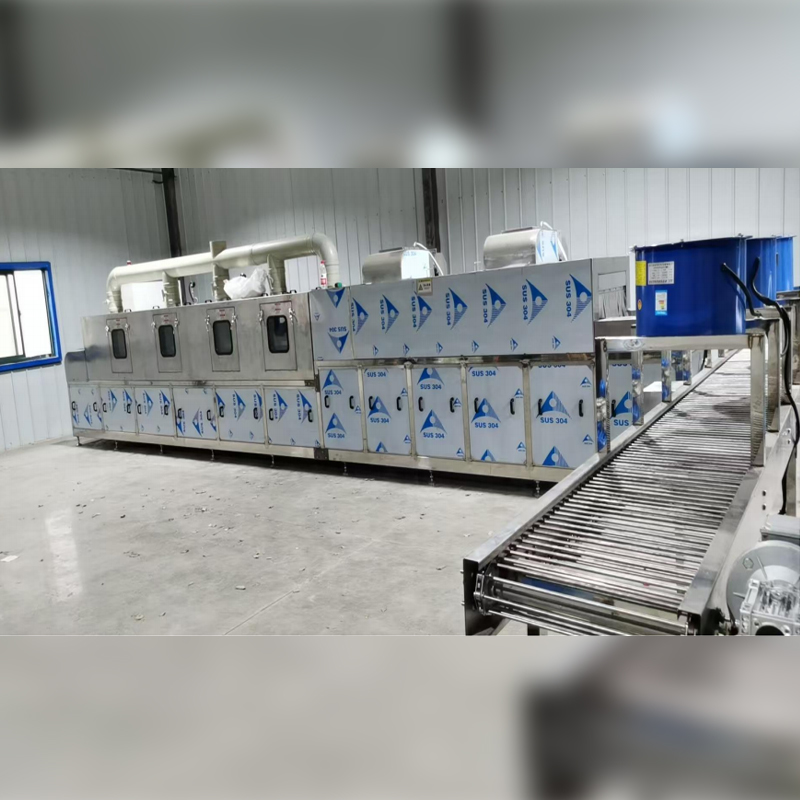

Custom Industrial Precision Ultrasonic Cleaning Machine
-
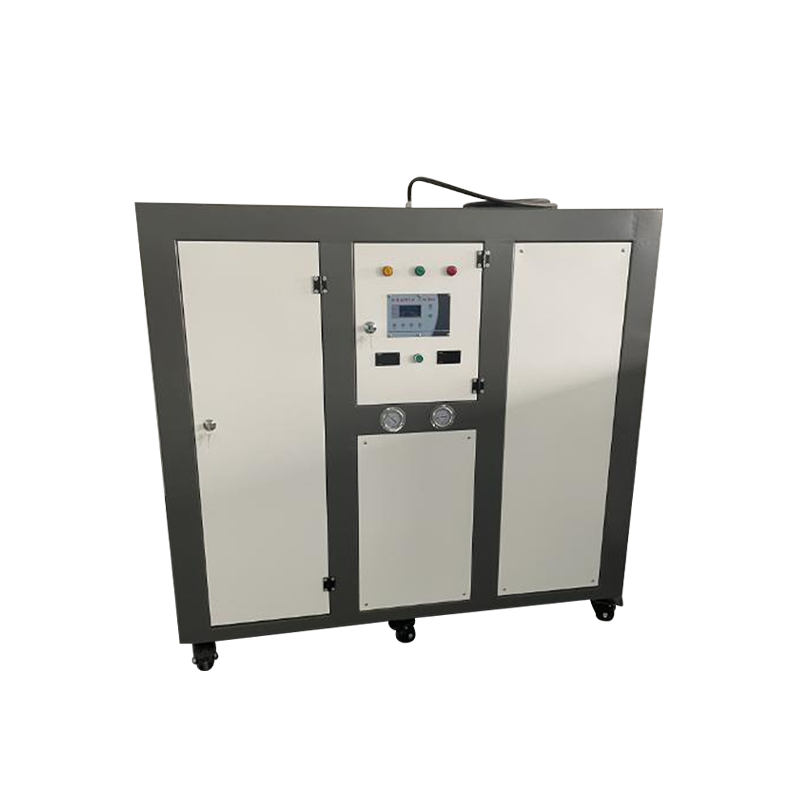
Industrial Circulating Chiller Unit / Constant Temperature Cooling System
-
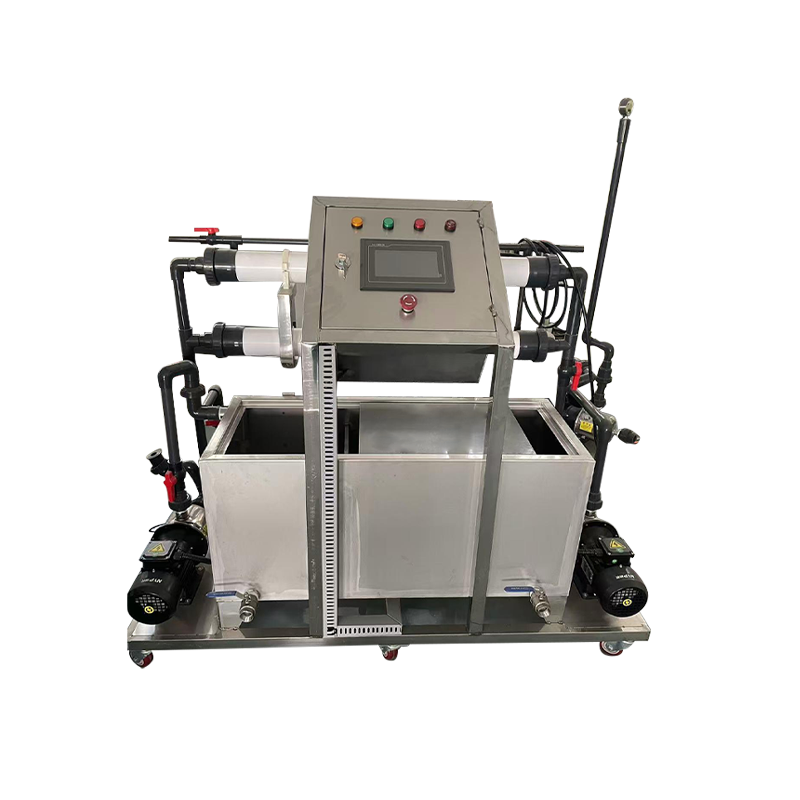
SY-160L/H Industrial Water Circulation & Purification System
Industrial Cleaning and Water Treatment Equipment
The Industrial Cleaning and Water Treatment Equipment series is built around four operational outcomes: verified cleanliness, stable process conditions, controlled water as a process medium, and sustained uptime. The intent is to remove contaminants and heat from your process chain without sacrificing takt time—while turning water from a cost and risk center into a managed utility.
In precision manufacturing, surface treatment, electronics, and medical workflows, yield is often driven less by “clean or not” and more by repeatability between batches. Ultrasonic cleaning brings effective cleaning action into complex geometries—gaps, blind holes, and intricate features—reducing hidden failure modes caused by residual oils and particles (e.g., poor coating adhesion, bonding/soldering defects, or assembly interference). It also supports non-standard customization so the cleaning stage can be integrated into your existing line layout, fixtures, and cycle time constraints.
Once cleaning becomes a continuous production step, thermal management directly impacts cleaning consistency and equipment stability. The water recirculating cooling unit provides a controlled low-temperature environment for key devices and process media, helping you hold critical fluids and operating points within a tighter temperature window—reducing drift, evaporation, and temperature-driven variability that can otherwise force unplanned downtime.
Water quality determines whether a recirculation loop can run for the long term. If suspended solids and fine particles are carried back upstream, contamination amplifies with every cycle, typically showing up as clogged sprays, reduced heat-exchange efficiency, higher turbidity, biofouling, and corrosion. The water recirculating filtration unit intercepts impurities to remove suspended matter and particulates, reduce turbidity, and suppress fouling, algae growth, and corrosion—making recirculated water closer to “reusable process water.”
From a user standpoint, filtration must match your contamination profile—not merely “filter.” Combining bag filtration with multi-stage precision filtration enables staged capture of coarse and fine particles (e.g., 25 μm bag filtration and precision stages down to 5 μm), maintaining reuse-water quality while minimizing line interruptions and preventing recontamination of the cleaning stage.
Operational value ultimately comes from fewer water changes, less maintenance, and fewer failures. With integrated circulation and control (e.g., PLC operation), drain, makeup water, filtration, and reuse become easier to standardize—shifting day-to-day management from “the water looks worse again” to “are we within control limits, and when is a cost-optimal consumables changeover.”
For lines that connect cleaning and water utilities into one system, cooling and filtration work together to make capacity measurable and scalable.
The series is also designed to coordinate with upstream and downstream surface-finishing operations, supporting a closed-loop logic across your process chain—contaminant removal, temperature stability, water-quality control, and reuse—so continuous production becomes more repeatable and governable.
14 TH
Years of Experience
About ShengYa
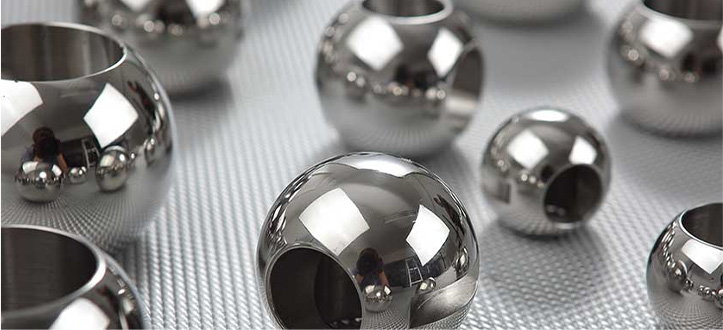
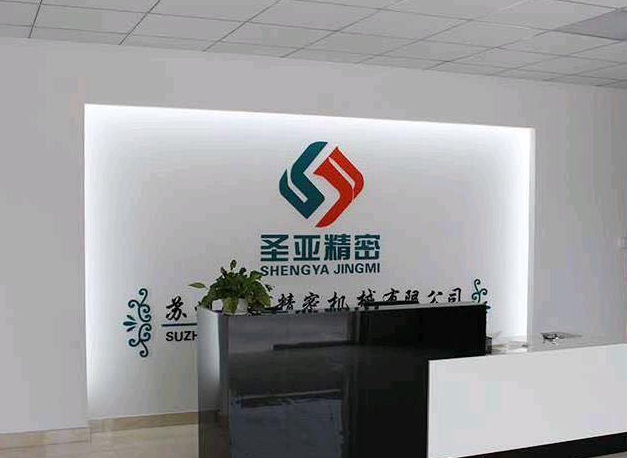
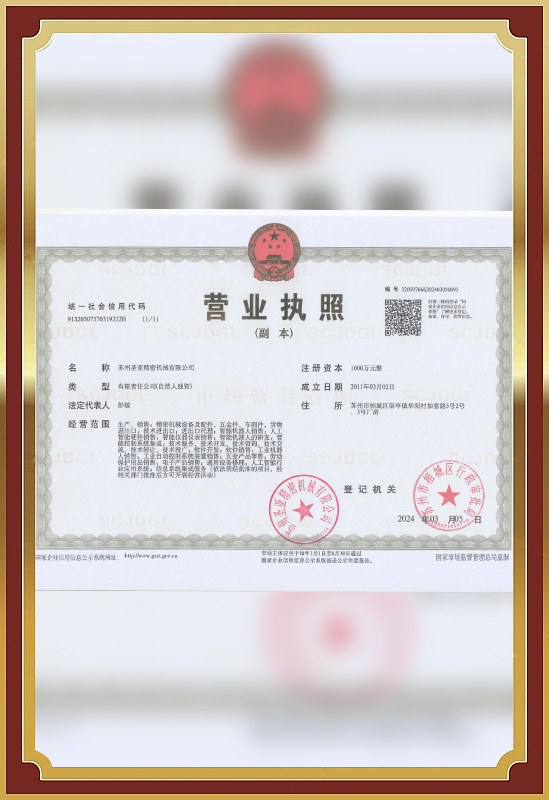
Suzhou Shengya Precision Machinery Co., Ltd. is a source manufacturer specialising in the research, development, production and sales of metal surface treatment equipment. We are dedicated to providing global clients with professional integrated solutions for polishing, deburring and cleaning.
Located in Suzhou, Jiangsu Province, China, the company operates a modern production facility spanning approximately 2,000 square metres alongside a specialised R&D centre. With an annual output value reaching tens of millions, it stands as one of the leading enterprises in China's magnetic polishing and precision deburring equipment sector.
-
0+units/sets
Annual production capacity
-
0+years
Industry experience
-
0+
Case studies
-
0+
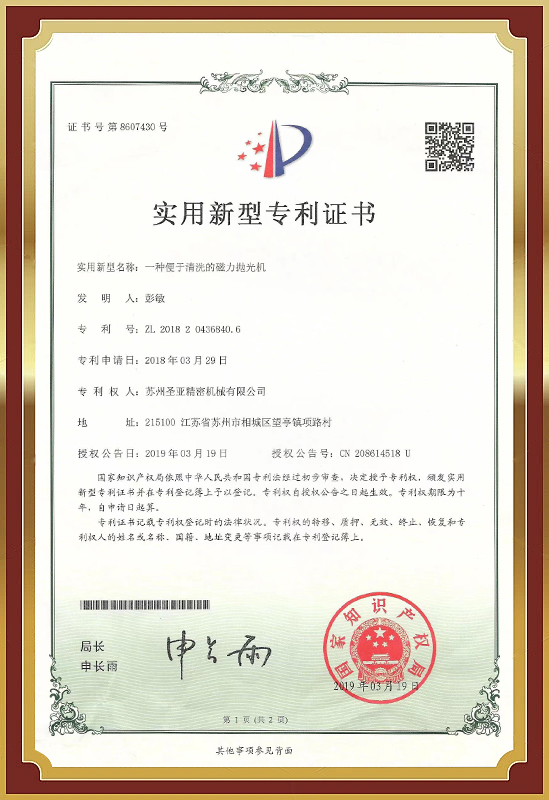
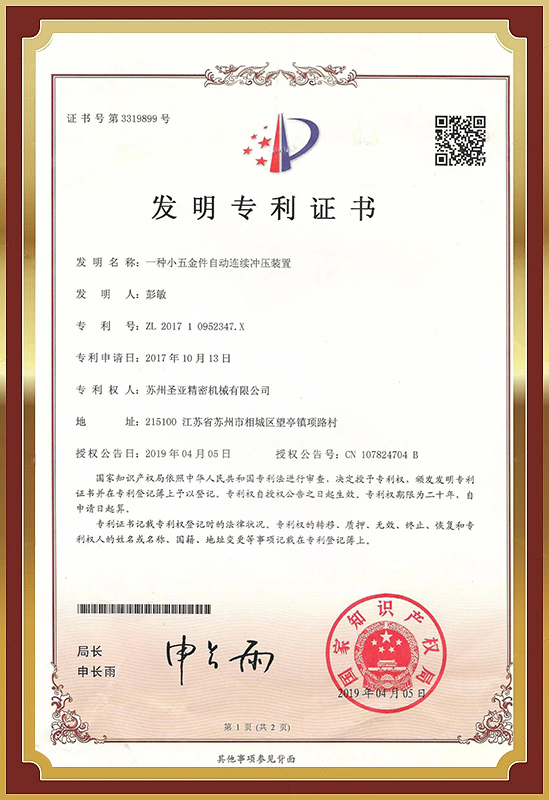
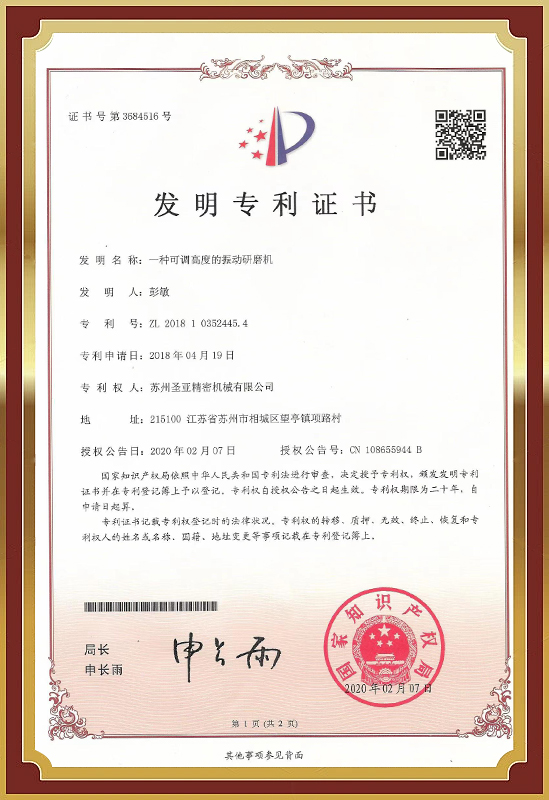
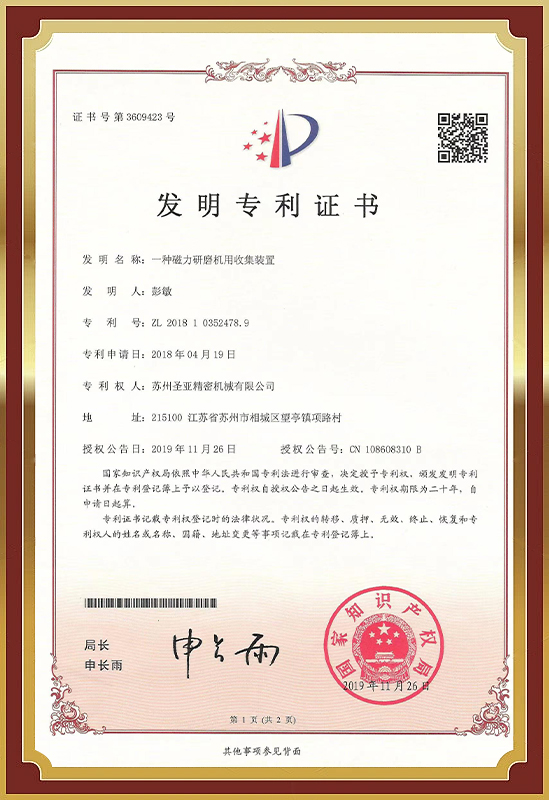
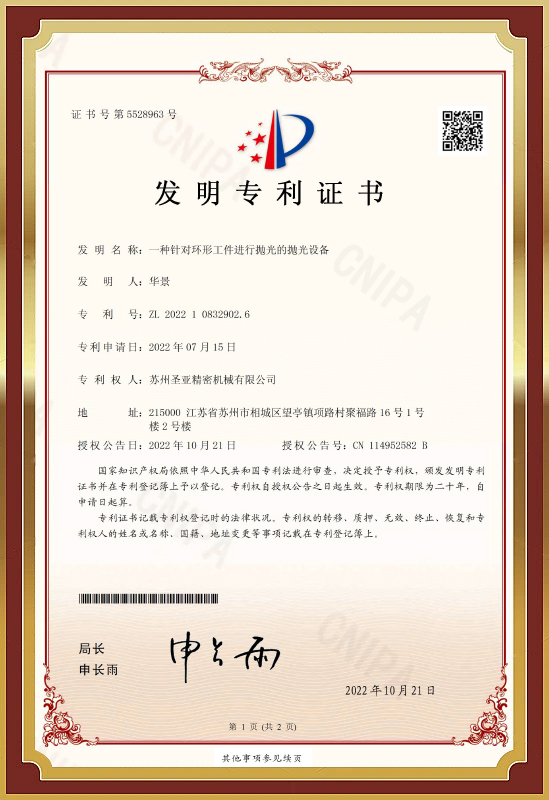
High-tech patents
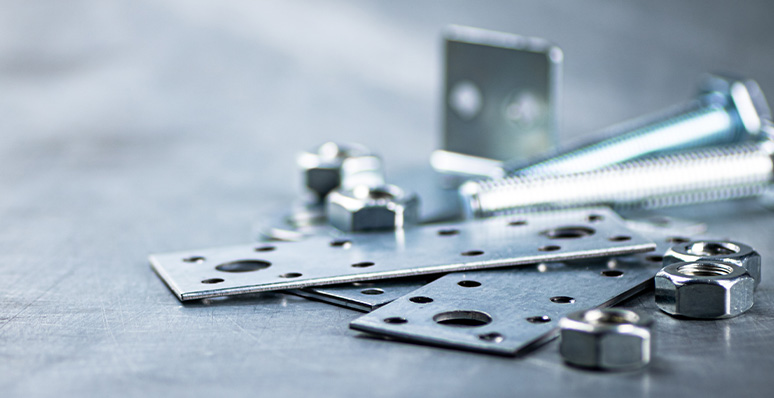
Certificate Of Honor
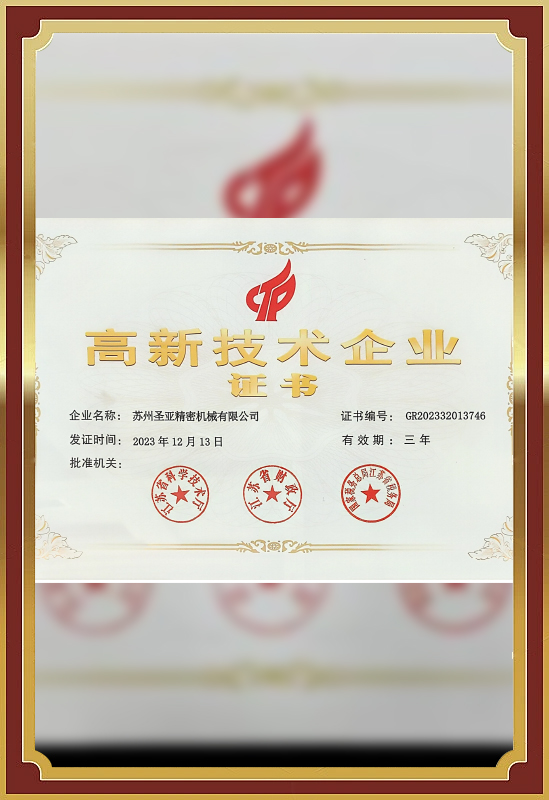
Industrial Cleaning and Water Treatment Equipment Industry knowledge

- Add: No. 3 Ruyi Road, Wangting Town, Xiangcheng District, Suzhou City, Jiangsu Province, China.
- Tel: +86-512-66727763
- Phone: +86-15850002880
- E-mail: [email protected]
Product
Quick Links
Contact Us
Copyright © Suzhou Shengya Precision Machinery Co., Ltd.All Rights Reserved.

